Direct supply line from our automated Pingxiang kilns to Baltic logistical hubs (Gdańsk / Gdynia) and Polish industrial corridors including Płock, Katowice, Kędzierzyn-Koźle, and Tarnów.
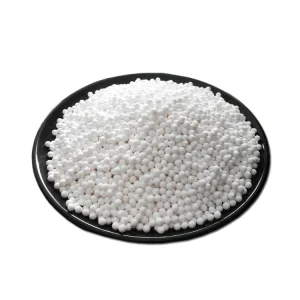
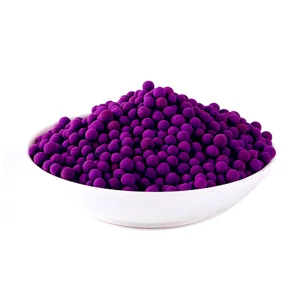
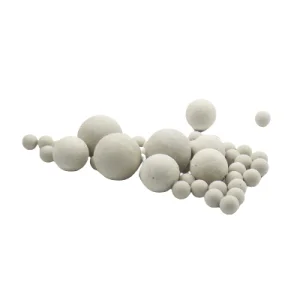
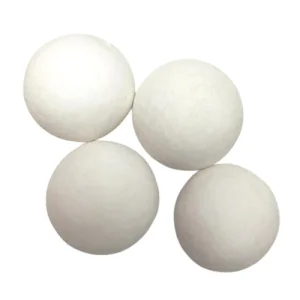
How Central Europe’s chemical manufacturing powerhouse is re-engineering its infrastructure for energy efficiency, emission abatement, and high-severity reaction yields.
Poland represents one of Europe's largest chemical ecosystems, led by corporations like PKN Orlen and Grupa Azoty. Refining installations in Płock and coastal Gdańsk require severe-service catalyst supports capable of resisting sulfur-bearing streams, intense hydrogen partial pressures, and frequent temperature cycling during hydrocracking and desulfurization (HDS).
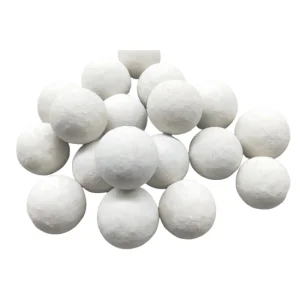
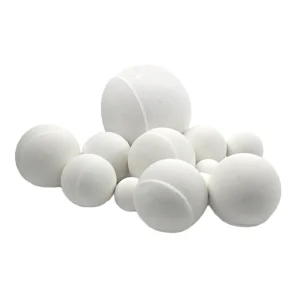
Strict enforcement of European Industrial Emissions Directives (IED) pushes Silesian metallurgical foundries, automotive paint centers, and packaging converters to install high-performance Regenerative Thermal Oxidizers (RTO). High-density heat storage ceramic balls provide superior thermal regeneration rates, directly lowering natural gas consumption.
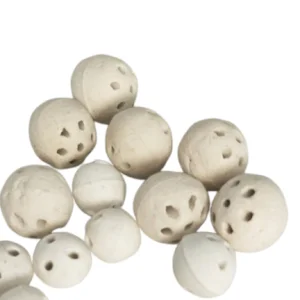
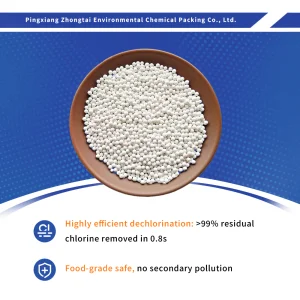
Industrial processing zones along the Vistula and Oder river basins place stringent limits on process water intake and effluents. Dechlorination ceramic balls and porous filtration supports are increasingly integrated into municipal and closed-loop process plants to remove chlorine, scale-forming ions, and suspended heavy metal solids.
Combining the natural raw mineral cluster advantage of Pingxiang with computerized tunnel kilns, automated cold isostatic pressing (CIP), and statistical process control.
Unlike basic wet-rolling extrusion, our automated isostatic dry-pressing and computer-monitored rolling machines achieve an ultra-consistent internal lattice. This eliminates micro-cracks, bubbles, and thermal stress points, giving Polish buyers unprecedented uniformity in bulk packing density.
Every single shipment to Poland undergoes ISO 9001:2015 and Bureau Veritas/SGS compliant batch testing: water absorption rates (<1%), crushing strength certification (kn/pellet), chemical spectrum tests, and acid resistance index exceeding 99.8% according to ASTM C515 protocols.
Strategically situated with flexible transport routes: Ocean shipping through Ningbo/Shanghai directly to Baltic ports (Port of Gdańsk DCT), or overland China-Europe Railway Express (CR Express) terminating at the Małaszewicze logistics hub in eastern Poland within 16–20 days for urgent refinery turnarounds.
| Alumina Media Grade | Al₂O₃ Purity | Crush Strength (30mm) | Max Service Temp | Operational Domain in Polish Industry |
|---|---|---|---|---|
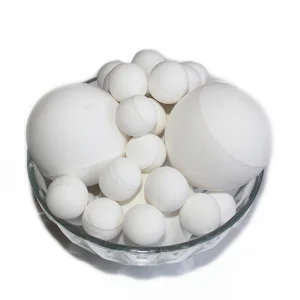
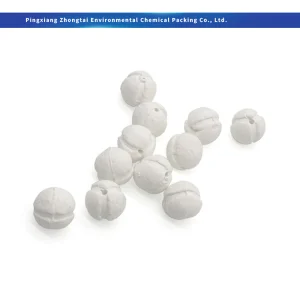
| 17% Inert Ceramic Ball | 17 - 23% | > 5.0 kN/ball | 1100 °C | Fertilizer synthesis columns, secondary support layers, sulfuric acid dry towers. |
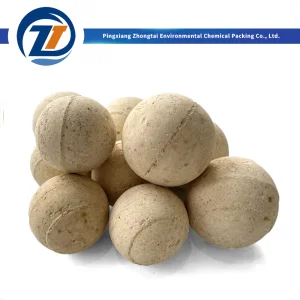
| 23% High-Strength Ball | 23 - 30% | > 7.5 kN/ball | 1250 °C | Hydrotreating beds, refinery gas sweetening, primary distillation bottom support. |
| 99% Super-Inert Ball | ≥ 99.2% | > 18.0 kN/ball | 1650 °C | Steam methane reforming (SMR), ethylene cracking, zero-silica hydrocrackers. |
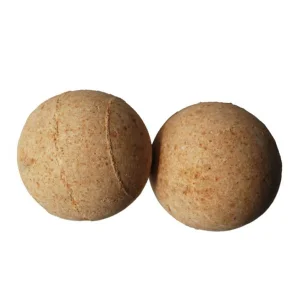
| Regenerative Heat Ball | 30 - 75% | > 8.0 kN/ball | 1400 °C | Foundry blast heaters, Silesian steel reheat furnaces, industrial RTO oxidizers. |
Key information regarding specification, EU chemical norms, logistic delivery terms, and test compliance.
Request batch samples, complete MSDS, and technical data sheets tailored to your reactor specs.
Complete product portfolio manufactured according to international process engineering specifications, fully available for wholesale distribution and direct plant import across Poland.