
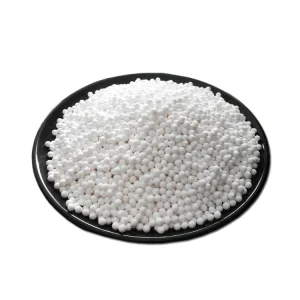
Engineered for immediate integration into chemical contact towers, thermal exhaust units, and drying systems across European process infrastructures.
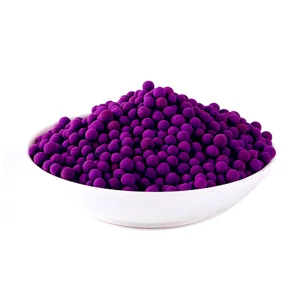
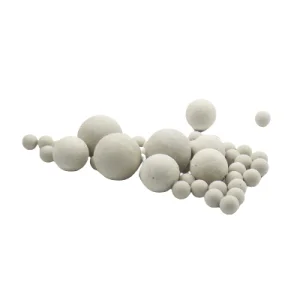
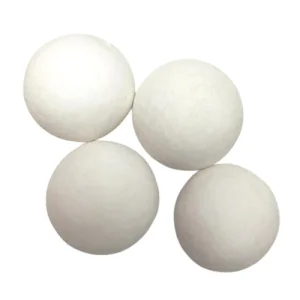
Navigating decarbonization, high-purity chemical processing, and clean tech manufacturing across the capital region.
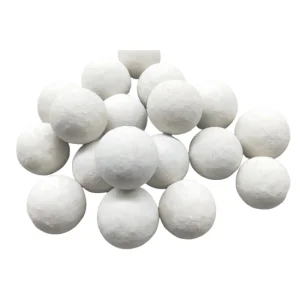
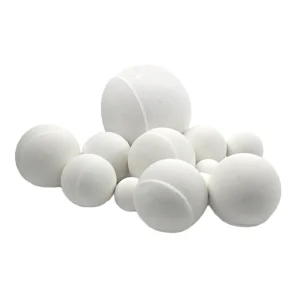
Berlin is accelerating investments in municipal decarbonization and green hydrogen networks. High-purity inert alumina ceramic balls (≥99% Al₂O₃) serve as critical, non-reactive support media within steam reforming and catalytic gas purification units, preventing silica poisoning in advanced catalyst beds.
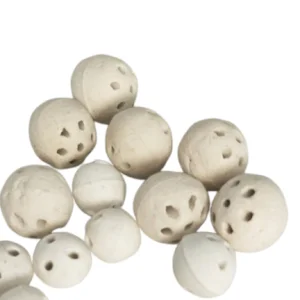
In compliance with Germany’s stringent TA Luft (Technical Instructions on Air Quality Control), regional manufacturing hubs in Brandenburg deploy regenerative thermal oxidizers (RTO). High-density heat storage ceramic balls provide maximum thermal inertia and resistance to severe cyclic temperature shocks.
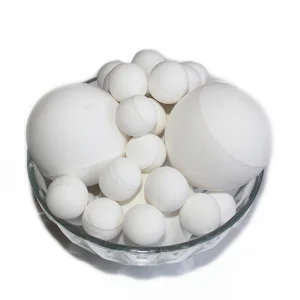
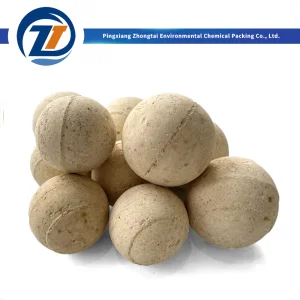
With the expansion of electric mobility ecosystems around the capital corridor, regional processors require high-density 92% and 95% Al₂O₃ grinding balls for planetary and ball mills to ensure ultra-low contamination wear during nanoparticle cathode preparation and technical slurries.
Precision-sintered ceramic balls engineered strictly according to international standards (ASTM C515, DIN 51102) for demanding operating environments.
| Property Parameter | Standard Inert (17-23%) | Refined Mid-Alumina (23-30%) | High Alumina Grinding (92%) | Ultra-Pure Inert (≥99%) |
|---|---|---|---|---|
| Al₂O₃ Content (%) | 17.0 – 23.0% | 23.0 – 30.0% | ≥ 92.0% | ≥ 99.2% |
| SiO₂ Content (%) | 70.0 – 76.0% | 65.0 – 72.0% | ≤ 4.5% | ≤ 0.15% |
| Bulk Density (g/cm³) | 1.35 – 1.45 | 1.40 – 1.50 | ≥ 3.60 | 1.90 – 2.05 |
| Water Absorption (%) | ≤ 1.5% | ≤ 1.0% | ≤ 0.02% | ≤ 0.5% |
| Cold Crush Strength (Ø25mm) | ≥ 7.5 kN/piece | ≥ 11.0 kN/piece | ≥ 22.0 kN/piece | ≥ 18.0 kN/piece |
| Operating Temp Rating | Up to 1100°C | Up to 1250°C | Up to 1450°C | Up to 1650°C |
| Primary Application | Base support & hold-down | High-pressure hydrogenation | Ball mill attrition grinding | Steam reformers & NH₃ synthesis |
Harnessing cluster efficiency, digital batch control, and multi-modal logistics to provide cost certainty for German procurers.
Located in Pingxiang, China's premier industrial ceramics cluster, our facility secures directly refined bauxite and alpha-alumina powders within a 50 km perimeter. This geographic synergy shields European buyers from upstream price fluctuations and ensures prompt raw feedstock staging.
Our 120-meter automated natural gas tunnel kilns operate with multi-zone digital PID temperature loops. Controlled sintering up to 1650°C guarantees optimal corundum crystal growth, eliminating internal micro-fissures and standardizing compressive crush strength batch after batch.
Shipments can be routed via sea freight through Hamburg/Rotterdam or expedited using the China-Europe Railway Express directly into Berlin/Duisburg hubs. We supply full export-grade documentation including customs clearance packs, fumigation certs, and Mill Test Certificates (MTC).
Aligning manufacturing rigor with stringent European environmental directives and procurement standards.
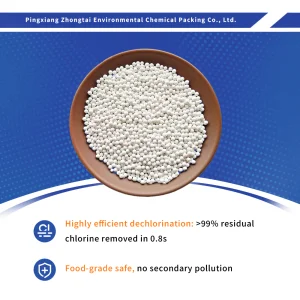
All ceramic media, adsorbents, and support porcelain balls are chemically inert, containing non-hazardous mineral substances certified fully compliant with EU Regulation (EC) No 1907/2006 (REACH) and SVHC exclusion protocols required for German environmental audits.
Every batch undergoes rigorous quality validation covering crush strength, bulk density, acid resistance (DIN 51102), and water absorption. Pre-shipment inspections are routinely handled alongside international testing agencies like SGS, TÜV Rheinland, and Bureau Veritas.
Customized packaging configurations to integrate smoothly into turnarounds: UV-resistant 1000 kg big bags, sealed steel drums, or 25 kg multi-wall paper bags on heat-treated IPPC-compliant wooden pallets with moisture-proof shrink-wrapping.
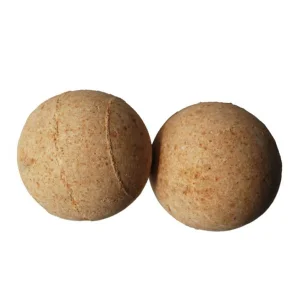
Explore our full engineering portfolio covering catalyst retention, tower packing, micro-filtration, and RTO heat regeneration.
Clear, specification-grade answers addressing chemical compatibility, silica migration, logistics, and testing protocols.
In high-temperature and high-pressure steam environments (e.g., secondary reformers, ammonia units, and hydrogen plants), silica (SiO₂) in ceramic media leaches into volatile gaseous form. This vaporizes into downstream equipment and condensates upon cooler surfaces such as heat exchanger tubes or downstream catalysts, causing catastrophic catalyst deactivation. For these services, our 99% pure alpha-alumina ceramic balls (<0.15% SiO₂) are strictly required.
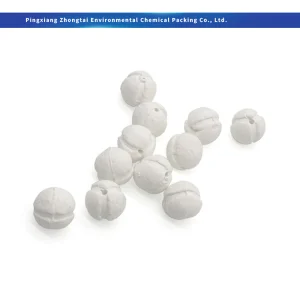
Reactor beds generally apply layered ball grading based on the 1:2 to 1:3 diameter retention ratio. If your active catalyst pellet has a diameter of 3 mm, the first supporting layer typically utilizes 6 mm (1/4") balls, followed by 13 mm (1/2"), 19 mm (3/4"), and 25 mm (1") or 38 mm (1.5") inert balls at the bed foundation. This prevents catalyst attrition, migration, and excessive pressure differential.
Each batch dispatched to European facilities is accompanied by a comprehensive Mill Test Certificate (MTC) detailing quantitative chemical assay (XRF), bulk density, water absorption rate, and mechanical crush testing data. Additional third-party inspection certifications from entities like TÜV or SGS can be coordinated upon request.
Standard items (17%, 23%, and 99% Al₂O₃ inert balls) maintain factory inventory in Pingxiang. Production for customized sizes takes approximately 10 to 15 business days. Sea freight via major German gateways (Hamburg/Bremerhaven) takes 28–35 days, while expedited delivery via the China-Europe Railway Express reaches central European consolidation centers in approximately 16–20 days.
Our chemical engineers evaluate your operating temperature, pressure, feed corrosivity, and bed diameter to deliver optimal media grading, physical samples, and firm landed price structures.
Send Inquiry Now