Explore our industrial chemical tower packings, ceramic media, and high-efficiency molecular sieves engineered for stringent industrial gas separation and purification.
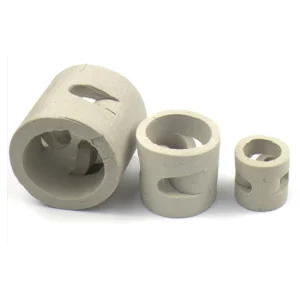
Wholesale Ceramic Pall Ring Tower Packing Manufacturers, Factory
View Details →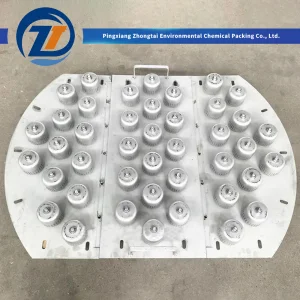
China 304 316L Stainless Steel Metal Bubble Cap Tray for High Turndown Columns
View Details →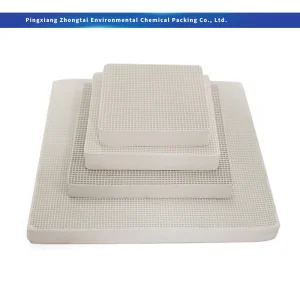
China High Surface Area Cordierite / Alumina Honeycomb Ceramic Plate Monolith Substrate
View Details →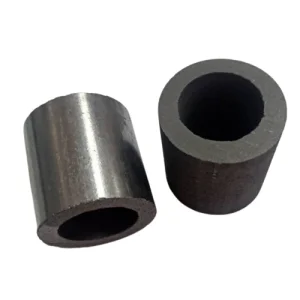
China Carbon Graphite Raschig Ring Tower Packing Manufacturer, Factories
View Details →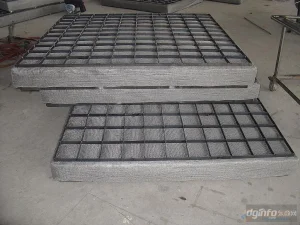
Wholesale High Quality Stainless Steels Metal Wire Gauze Structured Packing
View Details →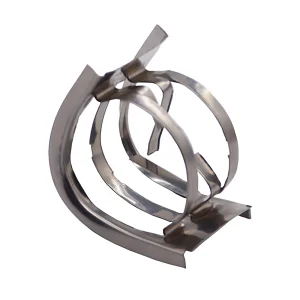
Wholesale Metal Intalox Saddle Ring Tower Packing Manufacturers, Factories
View Details →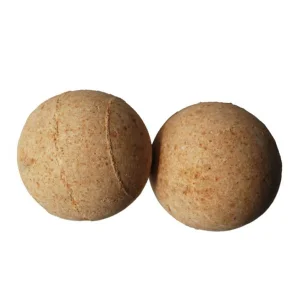
Wholesale High Temperature Resistance Ceramic Refractory Ball Suppliers
View Details →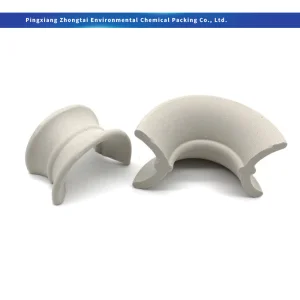
China Acid & Heat Resistant Ceramic Intalox Saddle Ring Random Tower Packing
View Details →A comprehensive analysis of catalytic chemisorption, zeolite crystal structures, and thermodynamics in extreme purity gas separation.
Oxygen removal molecular sieves utilize specialized catalytic chemisorption and kinetic selectivity rather than standard physisorption alone. By incorporating active reduced transition metals (such as reactive Cu⁺/Cu⁰ or dispersible Ag/Pd complexes) within the microporous channels of synthetic zeolites (Type 4A, 5A, or 13X), trace O2 molecules chemically react to form stable lattice oxide bonds at ambient or elevated temperatures, yielding outlet oxygen purity below 0.1 ppmv.
The host aluminosilicate framework plays a vital role in preventing active metal sintering while maintaining accessible pore openings (3Å to 10Å). Synthetic zeolites provide high specific surface area (>650 m²/g) and optimized hydraulic channels. This dual-action mechanism allows simultaneous trace moisture co-adsorption and high-capacity oxygen scavenging, essential for electronic-grade gases and polymer feedstock streams.
Unlike disposable sacrificial adsorbents, premium grade oxygen-removal molecular sieves supplied by factory-direct Chinese manufacturers feature thermal or chemical reversibility. Subjecting the depleted bed to a dilute hydrogen reduction gas (or high-temperature inert gas purge at 200°C–280°C) restores the metal center to its lower oxidation state, enabling hundreds of thermal swing adsorption (TSA) cycles without structural collapse.
Comparative engineering data for selecting the optimal deoxidizing molecular sieve adsorbent based on gas stream composition, operating temperatures, and target purity.
| Adsorbent Grade / Type | Active Scavenger Agent | Base Zeolite Framework | Operating Temp (°C) | Dynamic O2 Capacity | Residual O2 Level | Primary Gas Stream Duty |
|---|---|---|---|---|---|---|
| DeOX-Zeo 101 (Copper-Based) | Reduced Cu⁰ / Cu⁺ | Synthetic 13X / NaX | Ambient (20°C – 80°C) | 12 - 18 NmL O2/g | <0.1 ppmv | N2, Ar, He, Hydrocarbon Purification |
| DeOX-Zeo 205 (Noble Metal) | Dispersed Pd / Pt | Alumina / 5A Zeolite | 150°C – 250°C | 20 - 28 NmL O2/g | <0.01 ppmv (10 ppb) | Hydrogen Deoxygenation (H2 + O2 -> H2O) |
| DeOX-Zeo 309 (Dual Action) | Cu-Mn Mixed Oxide | Type 4A & 13X Hybrid | Ambient to 120°C | 10 - 15 NmL O2/g | <0.5 ppmv | CO2, Olefin Feeds (Ethylene/Propylene) |
| Standard 3A/4A Desiccant | None (Physisorption) | Type A Zeolite | -40°C to 60°C | N/A (Moisture Only) | No O2 Removal | Deep Dewpoint Moisture Drying (-70°C) |
To maximize the operational lifespan and dynamic oxygen adsorption capacity of DeOX molecular sieves, feed streams containing high concentrations of free moisture (>50 ppm H2O) or hydrogen sulfide (H2S) should pass through a sacrificial 3A/4A desiccant or zinc oxide guard bed upstream. Water vapour co-adsorption reduces active metal site accessibility.
Analyzing critical global industries driving wholesale demand for specialized oxygen scavenging zeolite media.
Modern sub-2nm fabrication nodes require ultra-high purity (UHP) carrier gases including Nitrogen (N2), Argon (Ar), and Helium (He) with total impurities below 1 ppb. Oxygen contamination causes wafer oxidation, silicide degradation, and reduced yield. Microelectronics chemical procurement teams specify high-purity copper and palladium-impregnated zeolites to guarantee stringent gas quality.
Water electrolysis produces green hydrogen contaminated with residual oxygen (typically 100 - 2,000 ppm O2). For fuel cell vehicle applications (ISO 14687 Grade D), oxygen levels must be reduced below 5 ppm. DeOX catalytic molecular sieves combined with deoxygenation reactors represent the gold standard for large-scale electrolyzer balance-of-plant (BOP) systems.
Ziegler-Natta and metallocene catalysts used in ethylene and propylene polymerization are extremely sensitive to oxygen poisoning. Even sub-ppm O2 levels deactivate expensive catalysts, leading to unexpected plant shutdowns and off-spec resin batches. Wholesale procurement of specialized deox sieves is a critical operational safeguard for petrochemical complexes.
Real-world engineering deployments illustrating how custom molecular sieve bed configurations solve complex process challenges.
Challenge: An air separation plant in Ruhr Valley required upgrading an existing nitrogen purification skid from 5 ppm residual O2 down to <0.2 ppm to satisfy medical and food-grade packaging specs.
Solution: Installed a dual-bed DeOX-Zeo 101 molecular sieve system engineered by Pingxiang Zhongtai. Operating at ambient temperature (22°C) and 0.8 MPa gas pressure.
Results: Continuous outlet O2 monitored at 0.08 ppm with an operational bed cycle life exceeding 24 months before thermal reduction regeneration was required.
Challenge: A polymer plant in Texas experienced frequent catalyst deactivation due to oxygen spikes (15-30 ppm) in feed grade ethylene.
Solution: Integrated a high-capacity copper-functionalized 13X zeolite guard bed directly upstream of the reactor loops.
Results: Completely eliminated trace oxygen breakthrough, increasing polymer catalyst productivity by 14.5% and reducing annual catalyst replacement expenditure by $420,000.
Challenge: Purifying 5,000 Nm³/h wet hydrogen gas output from PEM electrolyzers with oxygen contamination around 800 ppm.
Solution: Engineered a two-stage purification train combining a precious metal catalytic deox reactor (combining O2 + H2 to form water) followed by a 3A molecular sieve bed for deep moisture drying.
Results: Achieved 99.999% purity hydrogen with O2 < 1 ppm and dew point < -70°C, meeting strict international export standards.
Why worldwide EPC contractors and industrial gas producers source directly from Pingxiang chemical packing clusters.
Located in Pingxiang, Jiangxi Province—China's recognized global capital for industrial ceramics and chemical mass transfer media—our facility benefits from direct access to high-purity kaolin clays, synthetic zeolites, and specialized metal chemical precursor suppliers. This geographic integration reduces raw material sourcing lead times by 60%.
Our factory operates fully automated continuous extrusion, sphere forming, metal impregnation, and high-temperature rotary kilns under atmosphere-controlled conditions. Batch-to-batch uniformity of active metal dispersion ensures consistent crush strength (>45 N/bead for 3-5mm spheres) and eliminates dusting during tower loading.
Direct wholesale purchasing from our China manufacturing plant eliminates agent markups while delivering products that meet or exceed international performance standards. We offer custom batch formulation, OEM/ODM private labeling, competitive sea-freight packaging in airtight steel drums with argon blanket shielding, and rapid export dispatch.
Rigorous quality controls and international certifications safeguarding your plant operations.
All molecular sieve production batches comply with ISO 9001:2015 Quality Management Systems, ISO 14001 Environmental Management, and ISO 45001 Occupational Health standards. Raw materials are verified under REACH and RoHS directives to ensure environmental safety.
Every shipment is accompanied by a certified Certificate of Analysis (COA) detailing bulk density, attrition rate, equilibrium water/O2 adsorption capacity, static crush strength, and particle size distribution tested in accordance with ASTM D2862 and industrial standards.
Our dedicated process engineering division provides vessel sizing, pressure drop modeling, mass transfer bed height calculation, and loading technical guidance. We offer rapid sample delivery (within 3-5 days) and local language technical support for seamless communication.
Anticipating future demand driven by decarbonization, ultra-pure electronics, and advanced energy storage.
Transitioning from traditional bead/pellet beds toward structured ceramic honeycomb monoliths impregnated with deox catalysts. Monolithic formats lower bed pressure drop by up to 70%, allowing extreme gas flow velocities in compact skid designs for hydrogen refueling stations.
Next-generation research blends hybrid Metal-Organic Frameworks (MOFs) with standard 13X zeolites to lower regeneration reduction temperatures from 250°C down to <100°C, drastically cutting parasitic energy consumption in industrial gas plants.
Integrating digital twin modeling software to predict dynamic breakthrough curves of multi-component gas mixtures (O2, H2O, CO2, H2S) under fluctuating inlet pressures, enabling optimized wholesale procurement sizing for global engineering firms.
Essential answers for procurement heads, process engineers, and plant operators seeking high-efficiency oxygen removal adsorbents.
Explore our extended series of ceramic random packings, metal structured media, grinding beads, and synthetic zeolite desiccants.
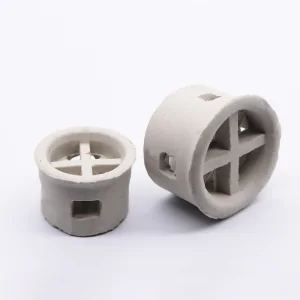
Wholesale Ceramic Cascade Mini Ring Tower Packing Supplier, Pricelist
View Details →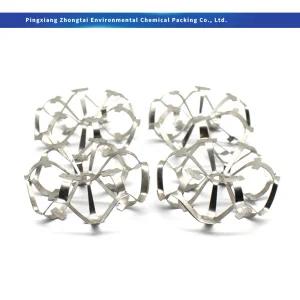
Wholesale High Wear Resistance 304 & 316 Stainless Steel Metal Teller Rosette Ring Packing
View Details →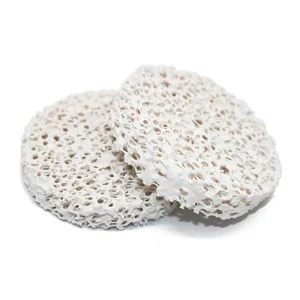
Wholesale Alumina Ceramic Foam Filter for Steel Casting Industry Suppliers, Quotes
View Details →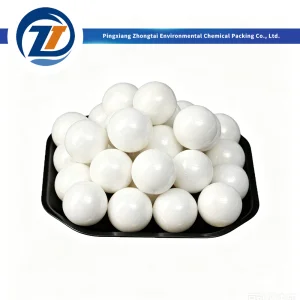
Wholesale Ultra Fine Yttria Stabilized Zirconia Grinding Ball Ceramic Milling Bead
View Details →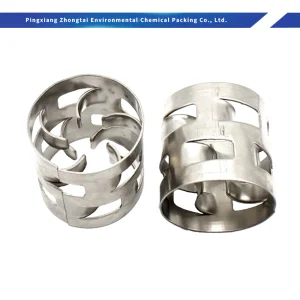
Wholesale SS304/316 Metal Pall Ring | 16-76mm Tower Packing for Chemical Scrubbers
View Details →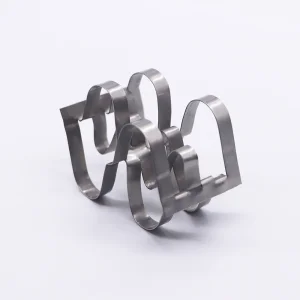
China Metal Super Raschig Ring Tower Packing Factory, Factories
View Details →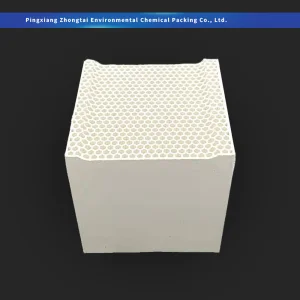
China Cordierite-Mullite Honeycomb for RTO/RCO | Advanced Thermal Storage Media
View Details →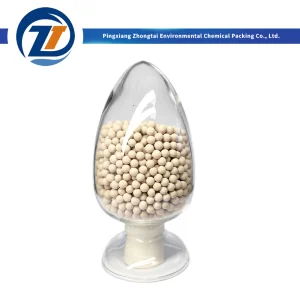
China High Performance 3A Molecular Sieve Zeolite Desiccant for Dehydration
View Details →