Industrial Chemical Engineering Whitepaper

Wholesale Drying Molecular Sieves Supplier & Suppliers

High-Performance Synthetic Zeolites (3A, 4A, 5A, 13X) for Cryogenic Air Separation, Petrochemical Gas Dehydration, Ethanol Refining, & Natural Gas Processing.
Product Catalog Part I

Featured Mass Transfer & Adsorption Media Solutions

Factory-direct supply of engineered tower packings, catalyst support media, and industrial adsorbents designed for demanding process conditions.
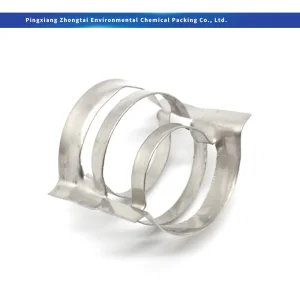
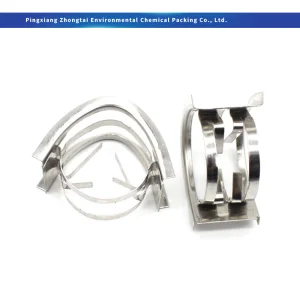
Wholesale Stainless Steel Metal Conjugate Ring
Wholesale Stainless Steel Metal Conjugate Ring 25mm 38mm 50mm High Efficiency Low Pressure Drop Tower Packing for Chemical Distillation Supplier, Factory
View Technical Specs
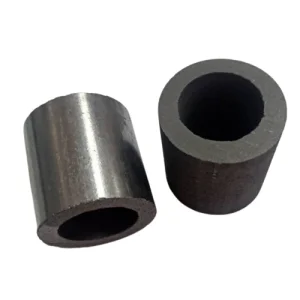
China Carbon Graphite Raschig Ring
China Carbon Graphite Raschig Ring Tower Packing Manufacturer, Factories
View Technical Specs
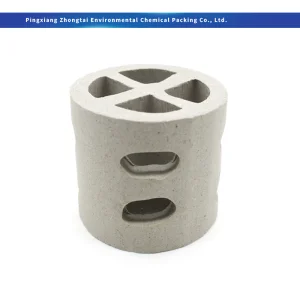
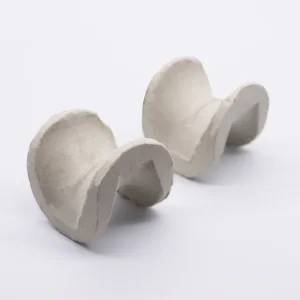
China Acid & Heat Resistant Ceramic Cross Partition Ring
China Acid & Heat Resistant Ceramic Cross Partition Ring / Ceramic Cross Ring 50mm 80mm 100mm 150mm for Tower Support & Chemical Absorption Supplier, Factory
View Technical Specs
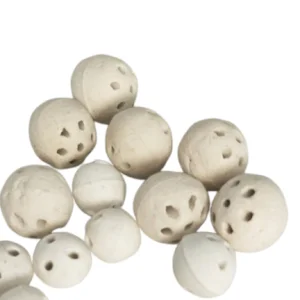
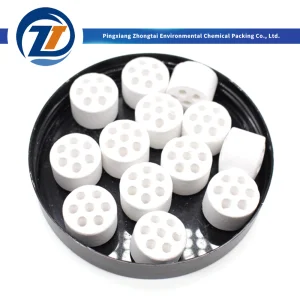
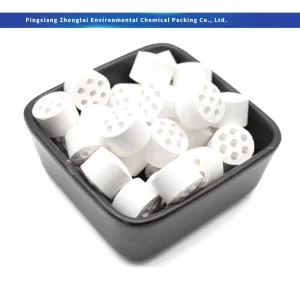
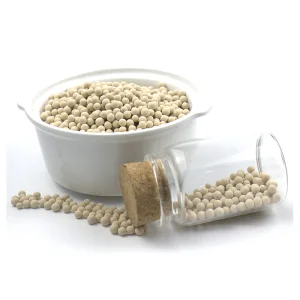
Wholesale High Performance Perforated Ceramic Ball
Wholesale High Performance Perforated Ceramic Ball Porous Catalyst Support Media for Chemical Reactor Manufacturer, Manufacturers
View Technical Specs
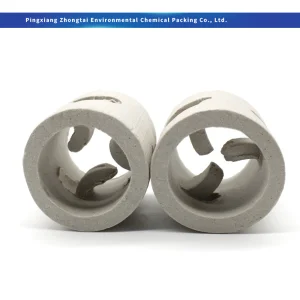
Wholesale Acid & Heat Resistant Ceramic Pall Ring
Wholesale Acid & Heat Resistant Ceramic Pall Ring High Voidage Random Tower Packing 25mm 38mm 50mm 80mm for Chemical Absorption & Scrubbing Factories, Pricelist
View Technical Specs
China Porous Ceramic Ball for catalyst covering
China Porous Ceramic Ball for catalyst covering and supporting material Manufacturer, Manufacturers
View Technical Specs
China Ceramic Berl Ring Tower Packing
China Ceramic Berl Ring Tower Packing Suppliers, Pricelist
View Technical Specs
Wholesale High Strength Ceramic Proppant
Wholesale High Strength Ceramic Proppant Bauxite Fracturing Media for Oil and Gas Well Manufacturers, Factory
View Technical Specs
Section 1: Market Intelligence

Global Commercial & Industrial Landscape of Drying Molecular Sieves

In modern chemical processing, continuous gas drying and precise moisture abatement are foundational requirements. Molecular sieves—synthetic crystalline alkali metal aluminosilicates—represent the apex of commercial desiccant technology due to their uniform pore structures, extreme thermal stability, and high equilibrium water adsorption capacities at low relative humidities.

Energy Transition & LNG Growth

The global demand for ultra-deep natural gas dehydration (reaching sub-ppm dew points below -100°C) has surged with the expansion of Liquefied Natural Gas (LNG) infrastructure. Molecular sieve beds prevent catastrophic hydrate formation and freezing in cryogenic heat exchangers.

Petrochemical & Polymer Integrity

Steam cracking operations demand absolute dryness in cracked gas feeds before fractionation. Water traces severely poison downstream noble metal catalysts in olefin polymerization and isomerization reactors, making reliable 3A and 4A adsorbents indispensable.

Medical & Industrial Gas Demands

Pressure Swing Adsorption (PSA) and Temperature Swing Adsorption (TSA) systems rely heavily on high-purity molecular sieves for industrial oxygen/nitrogen separation, compressed air drying, and clean hydrogen purification in fuel-cell ecosystems.

< 0.1 ppm
Achievable Moisture Dew Point
22-25%
Static Water Adsorption (25°C)
600°C
Thermal Degradation Limit
98.5%+
Standard Spherical Granule Sphericity
Section 2: Engineering & Specifications

Zeolite Pore-Size Engineering & Technical Selection Matrix

Selectivity in molecular sieve drying operates on kinetic diameter exclusion. By controlling the cation exchange ratio during crystal synthesis (replacing sodium ions with potassium or calcium), precise pore apertures are achieved:

Zeolite Type Nominal Pore Size Cationic Form Bulk Density (g/ml) Crush Strength (N) Primary Industrial Applications
Molecular Sieve 3A ~ 3 Å (0.3 nm) Potassium (K-A) 0.68 - 0.74 ≥ 35 (Bead 1.6-2.5mm) Unsaturated hydrocarbon drying (cracked gas, ethylene, propylene), fuel ethanol dehydration, insulating glass units. Excludes co-adsorption of hydrocarbons.
Molecular Sieve 4A ~ 4 Å (0.4 nm) Sodium (Na-A) 0.65 - 0.72 ≥ 40 (Bead 1.6-2.5mm) Closed-loop pneumatic air systems, refrigerant drying, argon purification, general solvent desiccant in non-acidic streams.
Molecular Sieve 5A ~ 5 Å (0.5 nm) Calcium (Ca-A) 0.67 - 0.73 ≥ 45 (Bead 1.6-2.5mm) Simultaneous moisture and $H_2S$/$CO_2$ drying, n-paraffin separation from iso-paraffins, PSA hydrogen purification plants.
Molecular Sieve 13X ~ 10 Å (1.0 nm) Sodium (Na-X) 0.62 - 0.68 ≥ 38 (Bead 1.6-2.5mm) Pre-purification units (APU) in cryogenic air separation (removes $H_2O$, $CO_2$, and trace hydrocarbons), mercaptan removal from natural gas.

Information Gain: Adsorption Thermodynamics & Mass Transfer Zone (MTZ)

Unlike silica gel or activated alumina, molecular sieves exhibit a Langmuir-type adsorption isotherm with an exceptionally steep initial slope. This allows them to retain up to 20% of their dry weight in water even when water partial pressure is extremely low (below 10 Pa).

When designing industrial fixed-bed adsorbers, optimizing the Mass Transfer Zone (MTZ) is critical. A narrow MTZ minimizes unutilized bed volume (LUB - Length of Unused Bed), allowing chemical plants to operate longer online adsorption cycles before thermal regeneration (TSA) is required. Our high-density, high-sphericity beads maintain uniform fluidization dynamics, eliminating wall-channeling risks.

Section 3: Supply Chain & Manufacturing

Efficiency Advantages of Chinese Synthetic Zeolite Production

China has established an unparalleled industrial ecosystem for chemical adsorbents and tower packings. As a premier wholesale drying molecular sieves supplier, our facilities leverage localized raw material integration, advanced hydrothermal synthesis, and mass-scale automated kilns.

Hydrothermal Crystallization Precision

By using direct synthesis from high-purity kaolin and sodium silicate, crystal phase purity exceeds 98%. Scanning Electron Microscopy (SEM) verification ensures consistent crystal habit, preventing rapid capacity decay over thousands of thermal cycles.

Cost Optimization & Scale Efficiency

Continuous rotary activation kilns and multi-stage automated screening yield massive daily outputs with minimal energy loss. This translates directly to a 20%-35% unit cost reduction for global B2B procurement officers compared to European or North American alternatives.

Rigorous Quality Assurance (ASTM / ISO)

Every wholesale batch undergoes batch-level laboratory verification for Attrition Resistance (ASTM D3802), Apparent Bulk Density (ASTM D2854), Water Equilibrium Capacity (ASTM E1893), and Crush Strength prior to vacuum-sealed packaging.

Section 4: Field Application Engineering

Localized Application Scenarios & Operational Case Studies

Different process plants present unique hydrodynamic stresses and gas compositions. Below are detailed engineering breakdowns of how our drying molecular sieves perform in localized industrial setups:

Fuel Ethanol Dehydration

Operating Environment: Vapor-phase ethanol-water azeotrope drying at 160°C - 180°C under Pressure Swing Adsorption (PSA).

Solution: Specialized 3A Ethanol-Grade Molecular Sieve. The strictly controlled 3 Å aperture permits water ($H_2O$, kinetic diameter ~2.6 Å) entry while completely excluding ethanol ($C_2H_5OH$, kinetic diameter ~4.4 Å), eliminating green-co-adsorption and green-coking damage on the desiccant matrix.

Natural Gas Sweetening & Drying

Operating Environment: High-pressure gas streams (up to 80 bar) containing heavy hydrocarbons, $H_2S$, and liquid water slugs.

Solution: Dual-bed system featuring a top layer of high-strength protective ceramic support balls followed by low-binder 4A or 5A molecular sieve beads. Provides mechanical resistance against liquid water shock while lowering water levels to < 0.1 ppmv.

Insulating Glass (IG) Units

Operating Environment: Dual-sealed architectural window frames subject to extreme seasonal thermal shifts (-40°C to +80°C).

Solution: Non-deflecting 3A IG Molecular Sieve beads. Rapid moisture pick-up without co-adsorbing nitrogen or argon gas prevents glass deflection, optical distortion, and internal fogging over 20+ year building lifespans.

Section 5: Strategic Sourcing & Innovation

Industry Trends & B2B Strategic Procurement Guidelines

As heavy chemical industries pivot toward net-zero decarbonization, desiccant technology is advancing toward energy-efficient regeneration and circular life-cycle management.

Low-Temperature TSA Regeneration

New binderless molecular sieve formulations reduce activation energy, allowing thermal regeneration at 180°C instead of standard 280°C-320°C cycles. This directly lowers plant steam and electricity consumption by up to 25%.

Hydrogen Economy Integration

Purifying green hydrogen produced from electrolysis requires removal of micro-water droplets before high-pressure compression (700 bar). Advanced 5A/13X hybrid beds deliver dry hydrogen meeting ISO 14687 Grade D standards for fuel cell electric vehicles (FCEVs).

Bulk Packaging & Freight Optimization

Standard export packaging includes heavy-duty air-tight metal drums (55 gallon / 150 kg) or nitrogen-purged 1000 kg super sacks with aluminum barrier foils. Moisture protection guarantees up to 3 years of warehouse shelf life before vessel charging.

Product Catalog Part II

Extended Industrial Adsorbents & Chemical Mass Transfer Media

Explore our complete portfolio of metal, ceramic, and composite chemical packing solutions directly sourced from Pingxiang manufacturing lines.
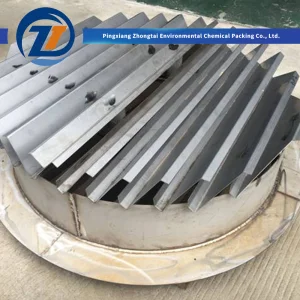
China 304 316L Stainless Steel Liquid Collector and Distributor
China 304 316L Stainless Steel Liquid Collector and Distributor / Liquid Redistributor for Distillation, Absorption & Stripping Columns Manufacturers, Factory
View Technical Specs
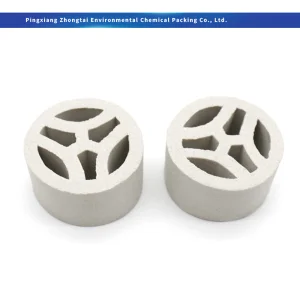
China Acid & Heat Resistant Ceramic 3Y Ring
China Acid & Heat Resistant Ceramic 3Y Ring (Triple Y Ring / Tri-Y Ring) Random Tower Packing 16mm 25mm 38mm 50mm 76mm for Chemical Absorption & Scrubbing Supplier, Suppliers
View Technical Specs
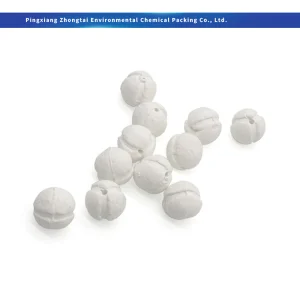
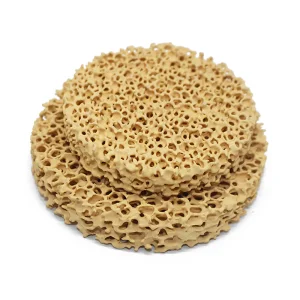
Wholesale Zirconia Ceramic Foam Filters
Wholesale Zirconia Ceramic Foam Filters for Casting Filtration Suppliers, Pricelist
View Technical Specs
China Ultra-High Crush Resistance Ceramic Proppant
China Ultra-High Crush Resistance Ceramic Proppant 20/40 30/50 40/70 Mesh for Oil & Gas Hydraulic Fracturing Manufacturer, Factory
View Technical Specs
China High Quality 304 & 316 Stainless Steel IMTP Intalox Saddle Ring
China High Quality 304 & 316 Stainless Steel IMTP Intalox Saddle Ring 25mm 40mm 50mm Metal Tower Packing Suppliers, Pricelist
View Technical Specs
China High Quality Adsorbent Zeolite 3A Molecular Sieve
China High Quality Adsorbent Zeolite 3A Molecular Sieve Factories, Pricelist
View Technical Specs
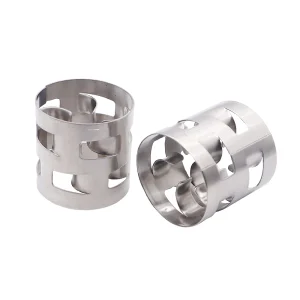
Wholesale Metal Pall Ring Tower Packing
Wholesale Metal Pall Ring Tower Packing Manufacturers, Factory
View Technical Specs
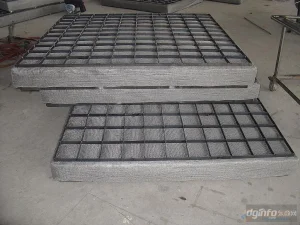
Wholesale High quality stainless steels metal wire gauze structured packing
Wholesale High quality stainless steels metal wire gauze structured packing for gas-liquid separation Factory, Quotes
View Technical Specs
Section 6: FAQ & Technical Support

Frequently Asked Questions: Technical Engineering & Sourcing

Detailed technical and procurement answers provided by senior chemical process engineers and logistics experts.

1. How do I choose between Molecular Sieve 3A, 4A, 5A, and 13X for drying operations?
Selection depends primarily on the kinetic diameter of the carrier gas molecules to prevent co-adsorption. Use 3A for cracked gas, ethylene, propylene, and fuel ethanol where hydrocarbon co-adsorption must be strictly avoided. Choose 4A for non-reactive streams like compressed air, nitrogen, and refrigerants. Select 5A when simultaneous water and $H_2S$/$CO_2$ removal is required in natural gas. Use 13X for deep cryogenic air purification or when trace mercaptans must be removed alongside water.
2. What is the typical operating life of a molecular sieve desiccant bed before replacement?
Under optimal operating conditions with proper thermal regeneration protocols and effective mechanical filtration (removing liquid droplets and compressor oils upstream), a quality molecular sieve bed lasts between 3 to 5 years (typically 2,000 to 4,000 thermal swing cycles). Over time, gradual hydrothermal aging reduces static water capacity, requiring bed replacement.
3. How does molecular sieve performance compare to activated alumina and silica gel?
Molecular sieves deliver substantially lower dew points (< -100°C) compared to activated alumina (-40°C to -50°C) and silica gel (-30°C to -40°C). Furthermore, at high bed temperatures (above 80°C) or very low relative humidities (< 10% RH), molecular sieves retain significant water adsorption capacity, whereas silica gel and alumina experience dramatic drop-offs in moisture retention.
4. What are the recommended temperature and purge gas parameters for bed regeneration (TSA)?
For Temperature Swing Adsorption (TSA), heating temperature measured at the bed outlet should reach 200°C to 260°C for Types 3A, 4A, and 5A, and up to 250°C to 300°C for Type 13X. A dry, non-reactive purge gas (such as clean dry nitrogen or a portion of the treated gas) must flow counter-currently at low pressure to sweep desorbed water vapor out of the vessel.
5. What causes high pressure drop or bed dusting in drying towers?
High pressure drop and dusting are usually caused by: (a) severe mechanical crushing due to rapid bed pressurization or gas velocity spikes exceeding fluidization limits; (b) liquid water slugs hitting hot desiccant beads causing thermal shock fracture; or (c) inadequate initial loading (lacking a dense-phase loading method or support layers). Specifying beads with crush strengths > 40 N dramatically mitigates this risk.
6. What is the Minimum Order Quantity (MOQ) and lead time for wholesale factory shipments?
Standard factory wholesale MOQ is 1 metric ton (1,000 kg) packaged in air-tight steel drums or reinforced jumbo bags. Standard production and quality dispatch lead time is 7 to 14 business days from our Jiangxi manufacturing facility, with direct container loading to major shipping hubs (Shanghai, Ningbo, Shenzhen).
7. Can samples be provided for laboratory characterization prior to commercial bidding?
Yes. We routinely supply 1 kg to 5 kg verification samples along with complete Certificate of Analysis (COA), SEM crystal morphology micrographs, and Technical Data Sheets (TDS) for engineering evaluation and third-party laboratory audits.
8. How are shipments protected against moisture ingress during international ocean transit?
Products are sealed immediately after kiln calcination into heavy-gauge inner polyethylene plastic liners inside hermetically sealed 55-gallon steel drums or heat-sealed aluminum foil barrier bags within heavy bulk sacks. Pallets are double stretch-wrapped with edge guards to guarantee zero atmospheric moisture pickup during long sea voyages.