
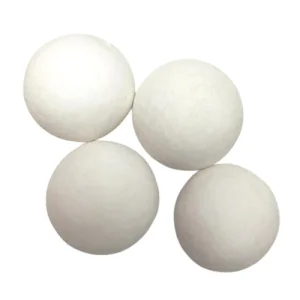
Explore our core catalog items manufactured under strict ISO 9001:2015 quality assurance protocols in Pingxiang, China's world-renowned industrial chemical ceramic hub.
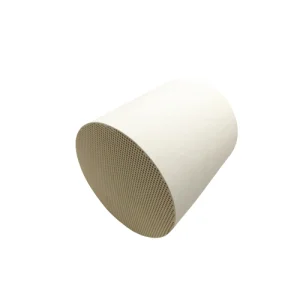
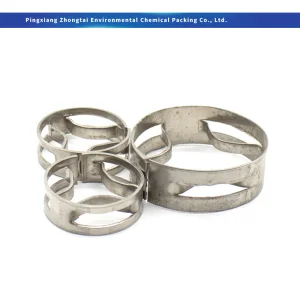
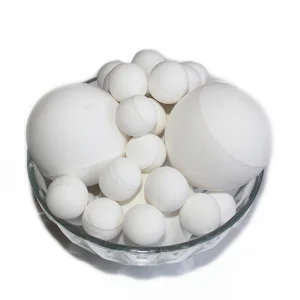
A rigorous economic breakdown of material purities, thermal firing curves, and global spot pricing mechanisms compiled by process engineers and procurement strategists.
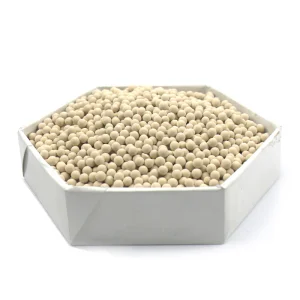
In global industrial refining, fertilizer production, and petrochemical synthesis, specifying inert alumina ceramic balls is an exercise in managing chemical resistance against thermal crush failure. As an international manufacturing leader since 2003, Pingxiang Zhongtai Environmental Chemical Packing Co., Ltd. analyzes the core macro-economic drivers shaping wholesale procurement costs. Ceramic ball prices are fundamentally driven by four factors: raw calcined alumina powder pricing, natural gas thermal sintering indexes, isostatic pressing mold tolerances, and quality verification standard adherence (e.g., ASTM D4179 for single pellet crush strength).
| Material Grade | Al₂O₃ Content (%) | Bulk Density (g/cm³) | Crush Strength (kN/particle, 25mm) | Max Operating Temp (°C) | Estimated Wholesale Price (USD / MT) |
|---|---|---|---|---|---|
| Standard Inert Porcelain | 17% – 23% | 1.35 – 1.45 | ≥ 3.5 kN | 1050 °C | $260 – $420 |
| Medium Alumina Support | 23% – 30% | 1.40 – 1.55 | ≥ 4.8 kN | 1150 °C | $380 – $580 |
| High Alumina Media | 68% – 75% | 1.80 – 2.05 | ≥ 8.5 kN | 1380 °C | $750 – $1,150 |
| Refractory Bed Support | 90% – 92% | 2.05 – 2.20 | ≥ 12.0 kN | 1500 °C | $1,100 – $1,550 |
| Super High Purity Inert | 99.0% – 99.5% | 2.15 – 2.30 | ≥ 16.5 kN | 1650 °C | $1,650 – $2,300 |
Engineered ceramic spheres and structured contact media deployed across mission-critical chemical reactors, environmental treatment units, and energy facilities.
Acts as bottom support media and top hold-down layers in hydrotreaters, hydrocrackers, and catalytic reformers. Prevents noble metal catalyst migration, absorbs process hydrodynamic surges, and ensures uniform axial gas-liquid fluid distribution.
Operates in secondary steam reformers and high-temperature water-gas shift reactors. Extreme resistance to chemical leaching of silica (SiO₂ < 0.2%) eliminates downstream heat exchanger fouling and catalyst poisoning across multi-stage synthesis loops.
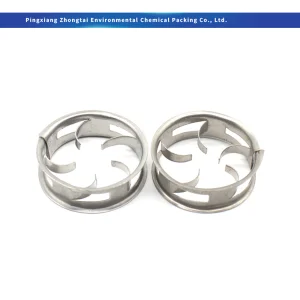
Combines high chemical stability in aggressive media. Provides acid resistance rating > 99.8% against concentrated hot sulfuric acid, wet chlorine, and nitric acid environments when paired with ceramic Intalox saddles and partition rings.
Paired with cordierite and honeycomb ceramic heat storage media for industrial volatile organic compound (VOC) abatement systems. High volumetric thermal capacity enables over 95% thermal efficiency recovery in harsh chemical exhaust streams.
Serves as heavy-density guard layers protecting 3A, 4A, and 13X molecular sieves in PSA (pressure swing adsorption) drying columns. Dampens pulsation shocks, prevents desiccant dusting, and extends regeneration bed life cycles.
Engineered 92% and 95% wear-resistant alumina grinding cylinders and spheres for ball mills. Delivers minimal self-wear contamination in zircon sand processing, electronic lithium battery slurry preparation, and ceramic glaze manufacturing.
Founded in 2003, Pingxiang Zhongtai Environmental Chemical Packing Co., Ltd. operates from Pingxiang, Jiangxi Province—the historic epicentre of China's industrial ceramics and mass transfer tower packing cluster. This regional synergy provides deep supply chain resilience, allowing us to source raw refined bauxite, specialized sintering aids, and calcined alumina powders within a 50km radius.
Our Factory 4.0 evolution integrates automated isostatic pressing machines, automatic rolling sphere formers, and computer-controlled 120-meter high-temperature natural gas roller kilns. Continuous thermodynamic profiling ensures each batch meets tight dimensional tolerances and zero micro-structural cleavage planes.
Addressing thermodynamic efficiency, pressure drop reductions, and global decarbonization mandates through advanced material science and microstructural engineering.
By refining grain size distributions below 5 microns via sub-micron spray drying, our advanced media achieve 25% higher crushing strength with identical mass, reducing packing load stress on bottom support grids.
Transitioning toward hydrogen-enriched natural gas burners and solar-powered auxiliary kiln systems to reduce Scope 1 and Scope 2 embedded carbon emissions per metric ton produced, aligning with EU CBAM requirements.
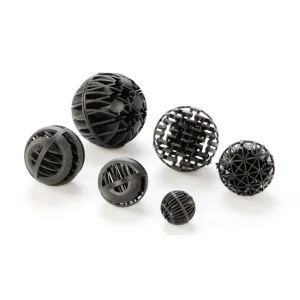
Developing perforated, grooved, and multi-hole structured ceramic balls that offer higher specific surface area (up to 40% gain) while slashing bed pressure drops by 15-20% compared to conventional smooth spheres.
Advanced sintering techniques delivering Al₂O₃ content > 99.8% with SiO₂ traces < 0.05%, eliminating volatile silica formation in ultra-high temperature ammonia reformers operating above 1400°C.
A structured approach to quality assurance, testing protocols, export documentation, and Total Cost of Ownership reduction for engineering, procurement, and construction (EPC) contractors.
Every shipment comes accompanied by official Mill Test Certificates (MTC) stating precise chemical compositions via XRF/ICP analysis, Lefranc porosity tests, and mechanical crush measurements per ASTM standards.
Full conformance to European REACH regulations, RoHS toxic substance limits, and international transport safety directives. Comprehensive factory inspection dossiers provided for multi-national project finance reviews.
Heavy-duty, weather-resistant UV-stabilized 1.0 MT jumbo bags with internal PE moisture liners or 25kg double-walled woven PP bags stacked securely on fumigation-free ISPM-15 export pallets with protective plastic stretch wrap.
Lower purchase price means little if premature support bed fracturing causes catalyst migration and unplanned downtime ($500k+/day). Our zero-cleavage ceramic media minimizes total cost of ownership across full 4-8 year turnaround cycles.
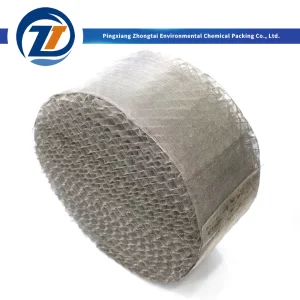
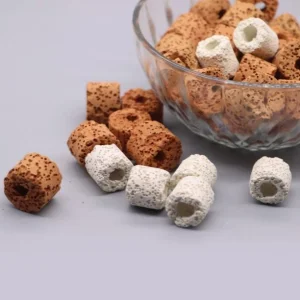
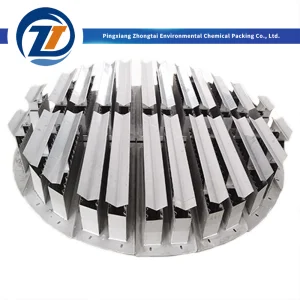
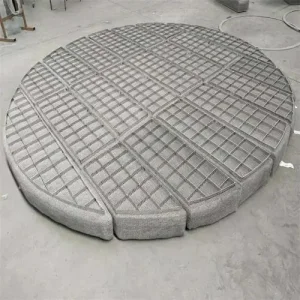
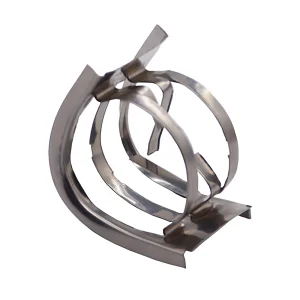
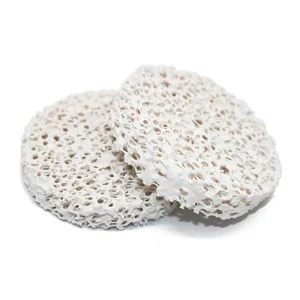
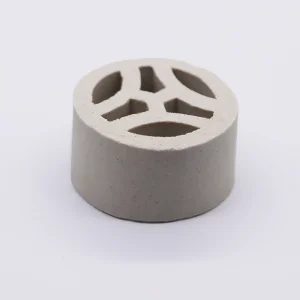
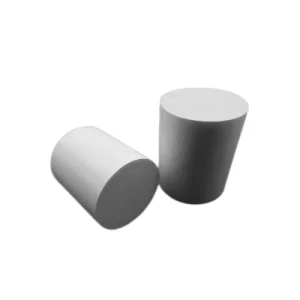
Discover our complementary line of liquid distributors, structured tower packings, partition rings, and catalytic honeycombs manufactured by Zhongtai.
Expert answers addressing crushing strengths, thermal shock tolerances, alumina grading criteria, and bulk international logistics.
Pricing is governed by Al₂O₃ content purity (17% to 99.5%), method of ball forming (isostatic pressing vs. manual/machine rolling), bulk density, kiln sintering cycle length, and certified crush strength limits. Custom particle sizes or strict SiO₂ limits (<0.2%) require specialty calcined powders that impact final metric ton costs.
In steam reforming and ammonia synthesis environments containing high partial pressures of steam at temperatures over 1000°C, volatile silicon hydroxides [Si(OH)₄] evaporate from low-purity balls. This silica travels downstream and precipitates onto cooler heat recovery boilers, causing severe fouling. 99% high-purity alumina ceramic balls prevent this hazard.
The standard rule of thumb is that support balls directly under the catalyst should have a diameter roughly twice the catalyst pellet dimension to avoid bed slumping. Typical gradations run in distinct layers: 1/8" (3mm), 1/4" (6mm), 1/2" (13mm), 3/4" (19mm), 1" (25mm), up to 1-1/2" or 2" (50mm) at the bottom support beam grid.
Yes. We furnish comprehensive physical and chemical test reports covering cold crush resistance, chemical composition (ICP-OES / XRF), acid resistance percentage, specific surface area, and bulk density for each proposed batch. Free pre-shipment sample packages are dispatched worldwide via DHL/FedEx for engineering lab analysis.
Our standard export formats include: 1) 25 kg multi-wall polyethylene woven bags stacked on heat-treated ISPM-15 export pallets; 2) 1,000 kg / 1,200 kg heavy-duty circular woven jumbo bulk bags with bottom discharge spouts; 3) Heavy gauge steel drums (approx. 200L) with hermetic lid seals for super high-purity catalyst protection.
For standard 23% and 99% alumina spheres in 3mm to 50mm sizes, we maintain ready stock up to 500 MT. For custom formulations or high volumes (100–500 MT), standard kiln run production time is 10 to 18 business days. Transit time to major China coastal ports (Shanghai, Qingdao, Shenzhen) is 24 to 48 hours.