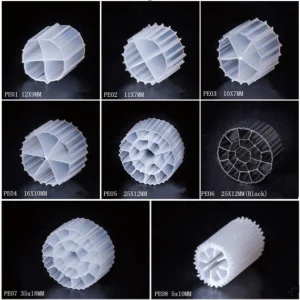
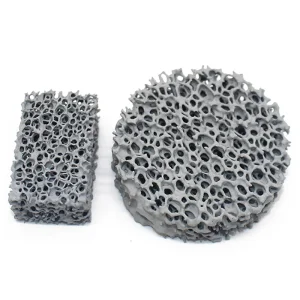
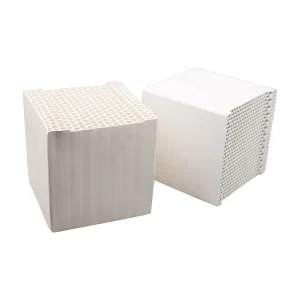
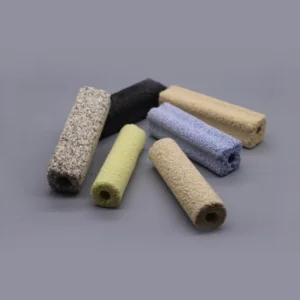
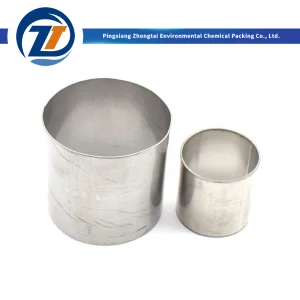
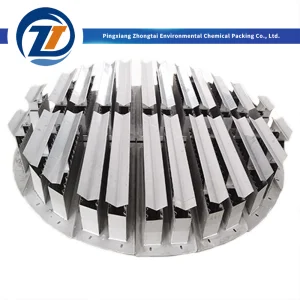
Buyers sourcing China pall rings packing material manufacturers & suppliers often begin with a specific process duty: distillation, absorption, scrubbing, high-purity laboratory separation, VOC treatment or molten-metal filtration. The eight product paths below connect directly to detailed specifications, images and quotation routes.
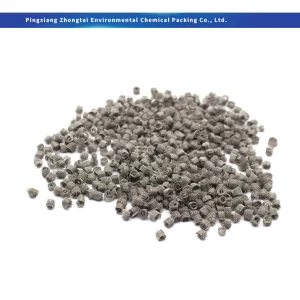
The global market for pall rings packing material sits at the intersection of chemical engineering, materials science and supply-chain engineering. A pall ring is not a commodity alone: its window geometry, internal tongues, wall thickness, surface finish, packing factor and material grade influence capacity, pressure drop, mass-transfer efficiency, fouling behaviour and service life inside a tower. For buyers comparing China pall rings packing material manufacturers & suppliers, the decisive question is not only “who has the lowest price per cubic metre,” but “who can demonstrate consistent geometry, reproducible material properties, export-ready documentation and engineering responsiveness.”
China’s advantage is structural. Industrial ceramic clusters, stainless-steel fabrication, moulding and machining suppliers, kilns, testing services and port logistics are concentrated across regions such as Jiangxi, Zhejiang, Jiangsu and Guangdong. Pingxiang, Jiangxi, is particularly relevant for chemical packing and industrial ceramics. Pingxiang Zhongtai Environmental Chemical Packing Co., Ltd., founded in 2003, operates from this environment and supplies inert ceramic balls, ceramic, metal and plastic tower packing, RTO honeycomb ceramic, ceramic foam filters, molecular sieves and aquarium filter media to overseas process plants. Its production base and commercial office sit in Pingxiang’s industrial development zones, allowing raw materials, forming, firing, inspection and packing to remain within a practical supply radius.
This white paper-style guide is designed for procurement teams, EPC contractors, process engineers and maintenance planners. It explains the current industrial context, localised applications, technical selection routes, macro solutions and future outlook for pall rings and related random packing. It also provides a structured FAQ for supplier due diligence. The objective is information gain: practical reference points that help a buyer ask better technical questions before issuing an RFQ.

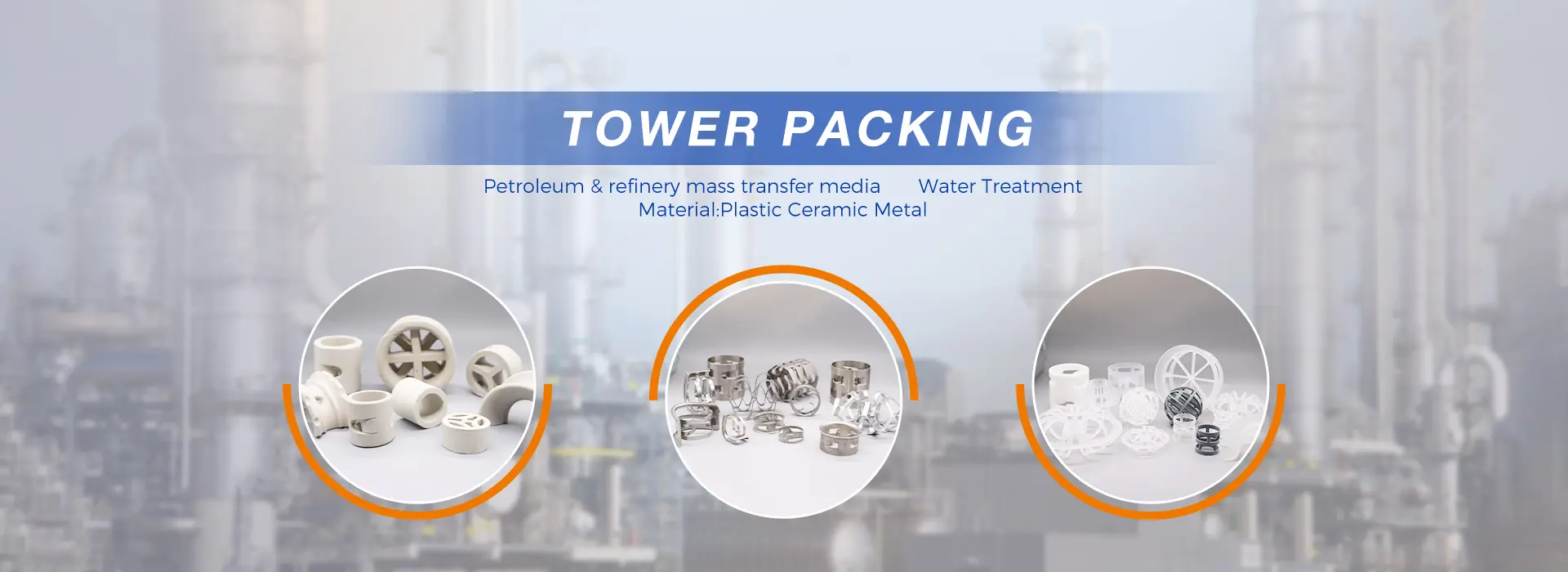
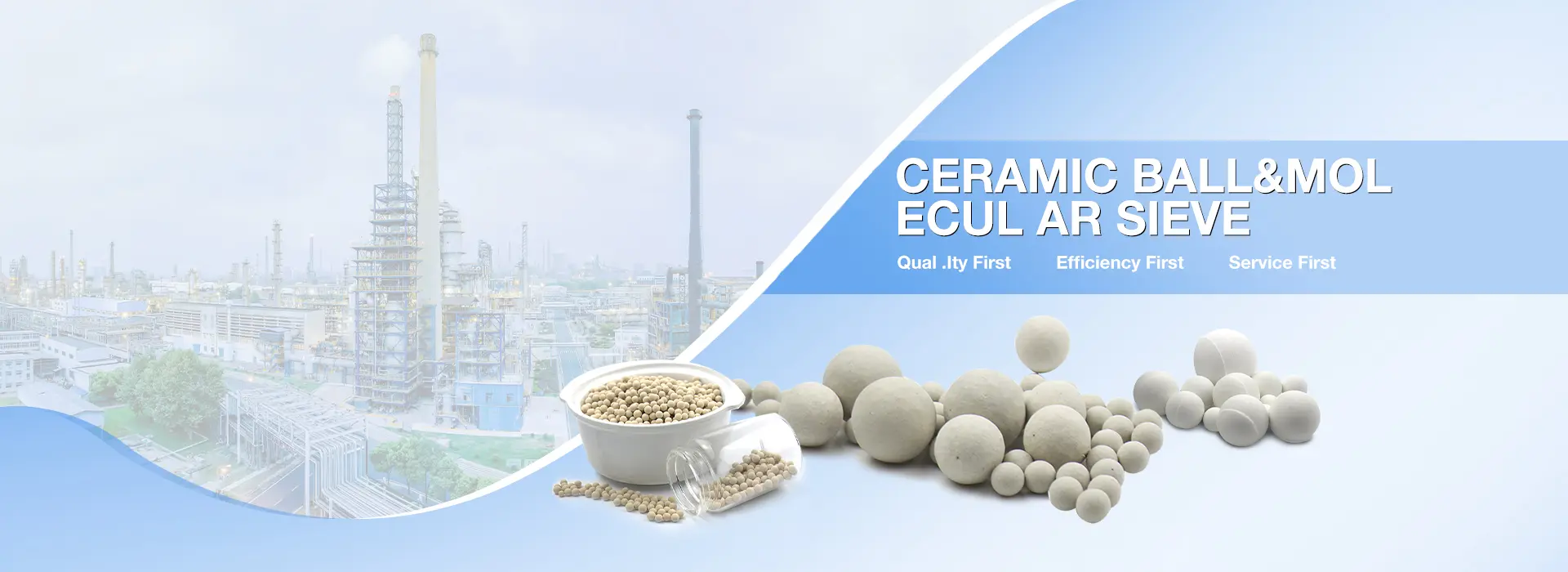
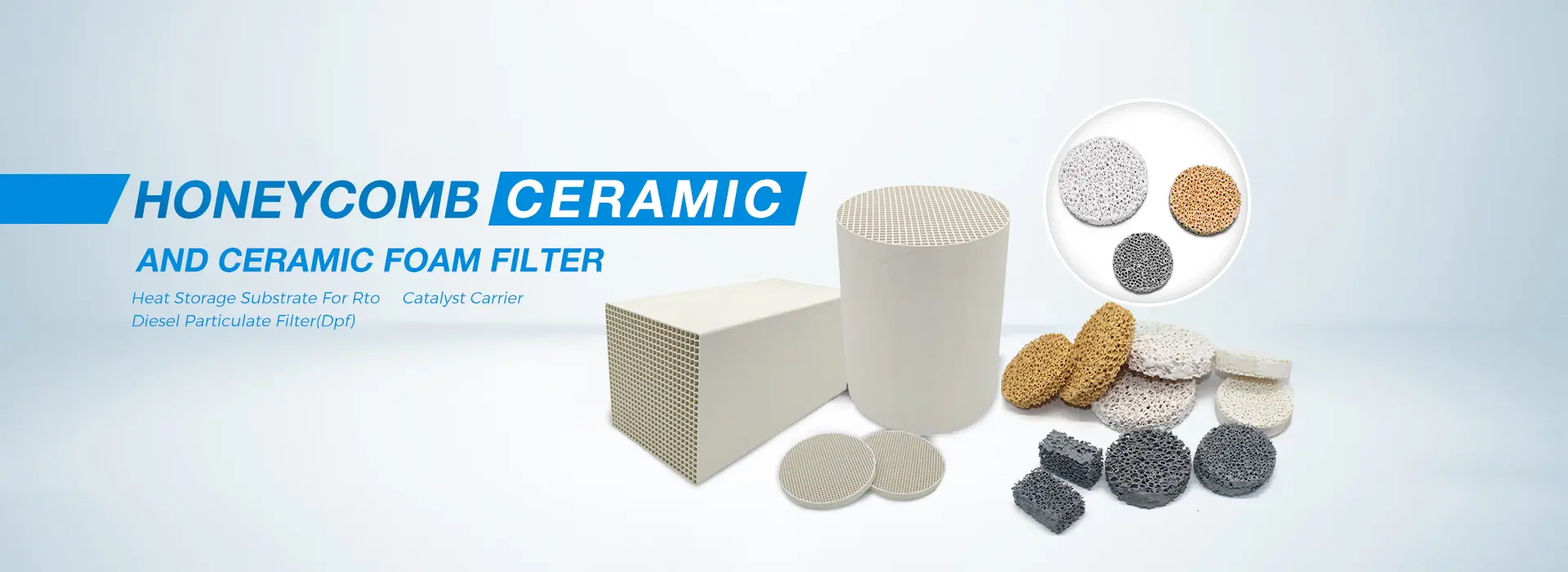
Despite competition from structured packing and high-performance random geometries, pall rings remain a reference solution in distillation, absorption, stripping and scrubbing because they offer a practical balance between capacity, efficiency, mechanical robustness and cost. The global demand profile is shaped by refinery upgrades, petrochemical capacity, acid plants, air-pollution control, gas processing and water treatment.
The bars illustrate relative industry demand intensity rather than a single published market forecast. Buyer requirements differ by region, plant configuration and revamp target.
Supply-chain diversification has made supplier qualification more rigorous. Overseas buyers increasingly combine price benchmarking with remote factory audits, batch-level test records, material certificates, packing density checks and evidence of export experience. At the same time, decarbonisation and energy-intensity targets push process teams to reduce pressure drop, improve heat recovery and extend turnaround intervals.
In this environment, China’s manufacturers compete less on “catalogue breadth” and more on engineering support. The strongest suppliers can translate tower diameter, bed height, medium, temperature, pressure, corrosion profile and capacity target into a shortlist of packing type, material and nominal size. They can also explain the trade-offs between smaller packing with higher efficiency and larger packing with lower pressure drop and easier cleaning.
From catalyst bed support to VOC heat recovery and molten-metal filtration, each product family is developed for a specific process duty — not repackaged from a generic catalogue. The links below preserve the original Zhongtai category routes for direct navigation.
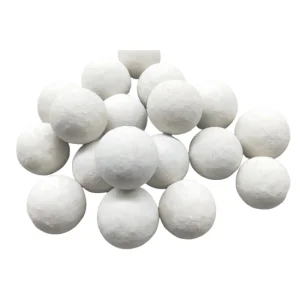
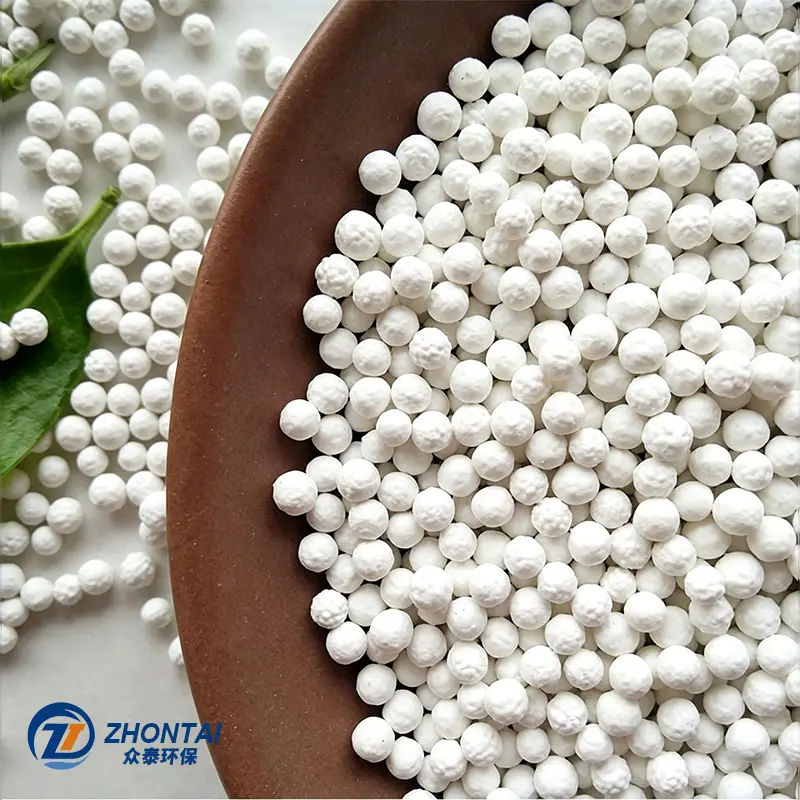
Inert support balls from 17% to 99% Al₂O₃, plus alumina grinding media and water-treatment ceramic balls.
View range →Intalox saddles, Raschig and pall rings for acid absorption, drying and high-temperature corrosive service.
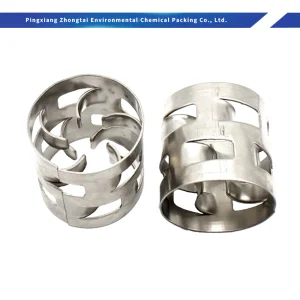
View range →SS304 / SS316L pall rings, Intalox saddles and corrugated structured packing for distillation columns.
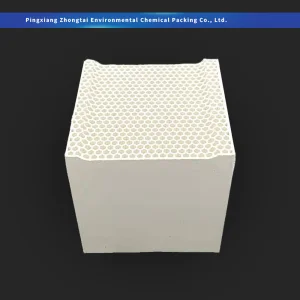
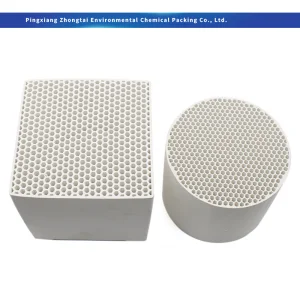
View range →RTO/RCO heat-storage blocks and catalyst carriers for VOC abatement and thermal energy recovery.
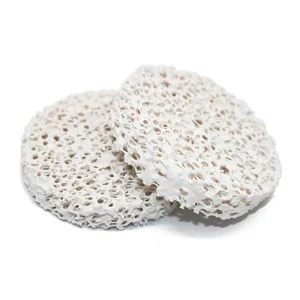
View range →Alumina, silicon carbide and zirconia foam filters that trap inclusions in aluminum, iron and steel casting.
View range →3A, 4A, 5A and 13X zeolite adsorbents for gas drying, air separation and solvent dehydration.
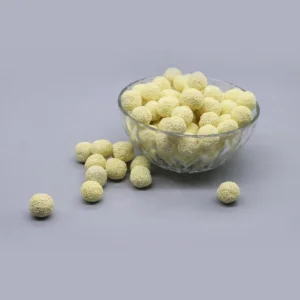
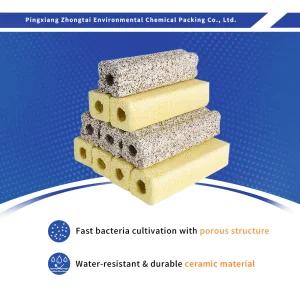
View range →Porous bio-ceramic rings and balls offering high surface area for nitrifying bacteria colonization.
View range →Ceramic-based laundry products for distributors, wholesalers and private-label household brands.
View range →These product families represent the practical bridge between a supplier catalogue and a plant specification. Each image and link is retained for direct product investigation.
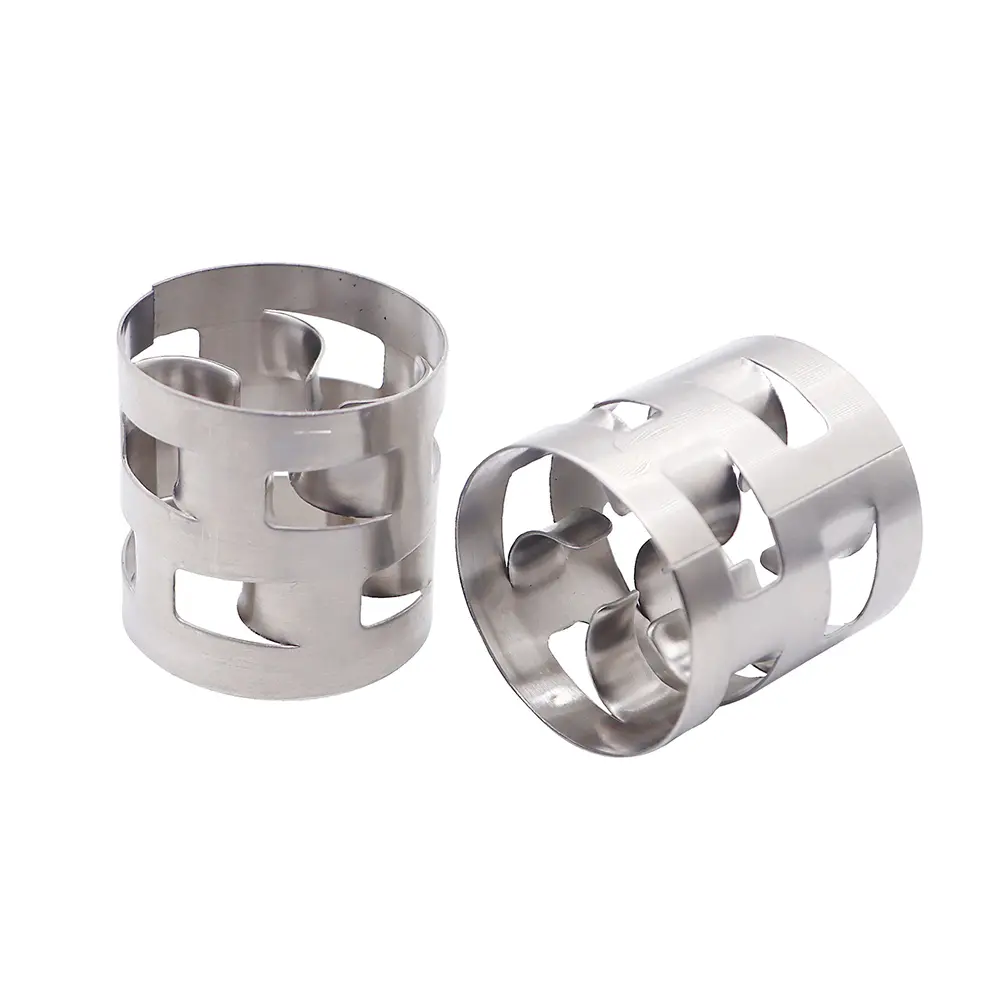
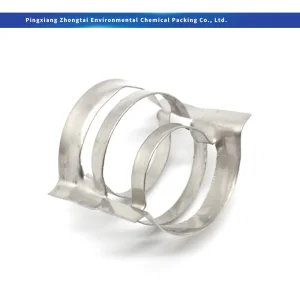
Windowed ring walls with internal tongues raise liquid distribution and capacity versus Raschig rings, ideal for distillation and absorption.
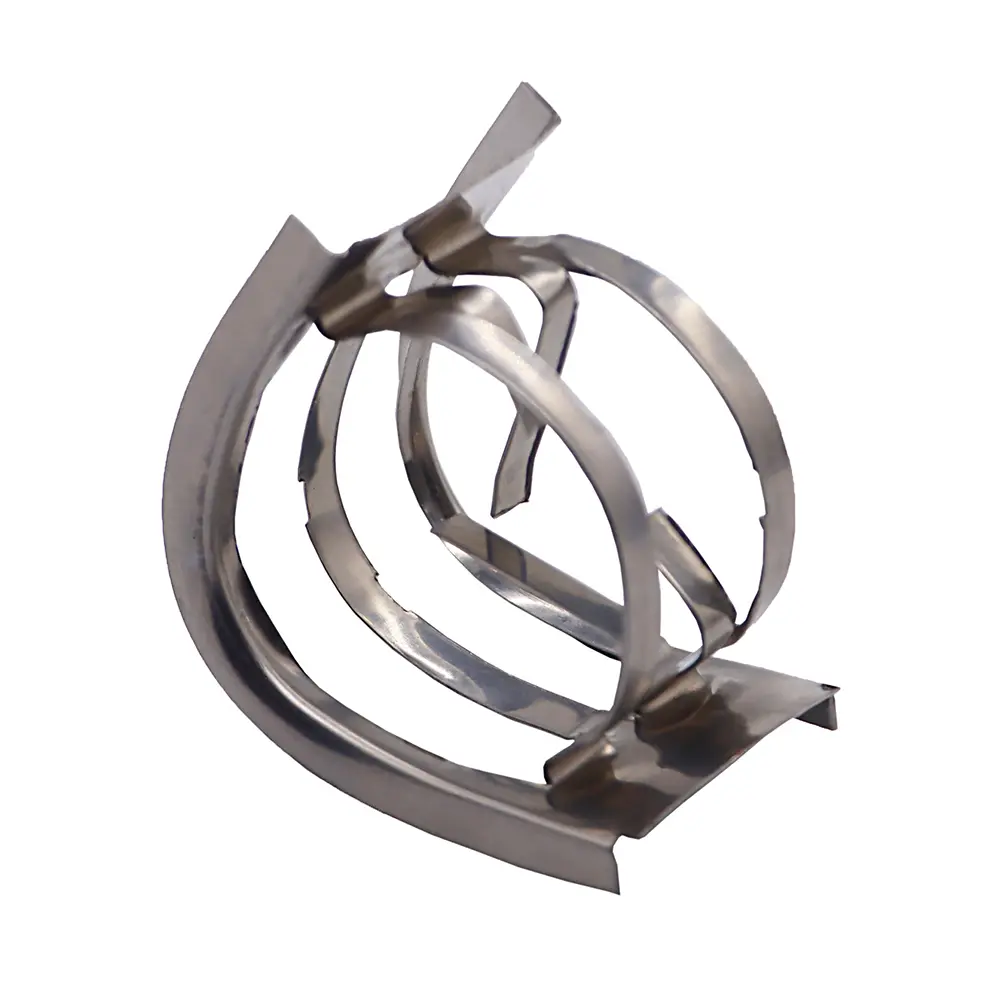
Combines ring and saddle geometry for lower pressure drop and higher throughput in atmospheric and vacuum refinery towers.
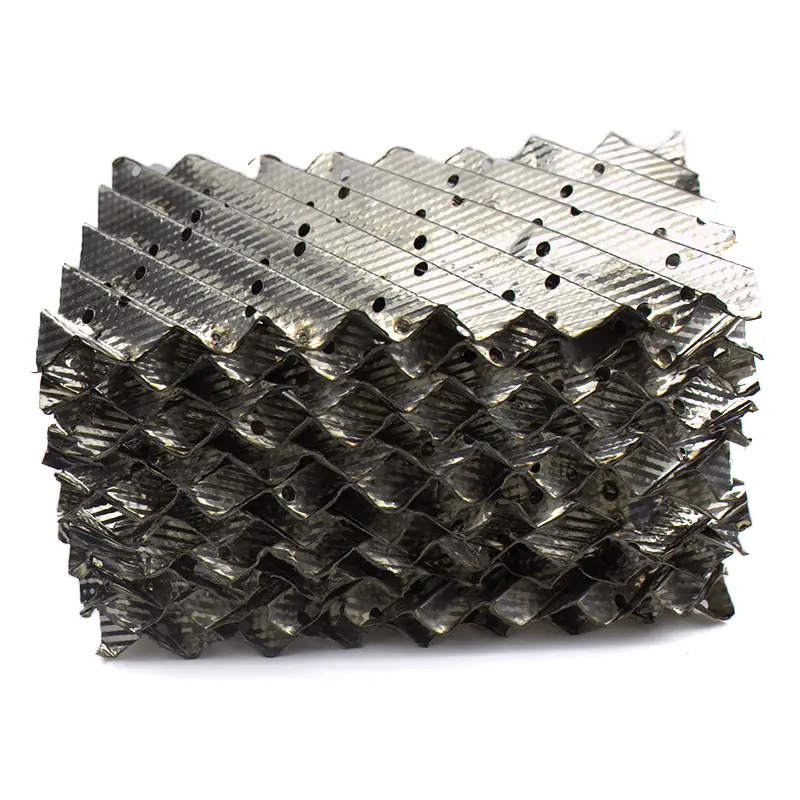
Very low pressure drop per theoretical stage — the standard choice for vacuum distillation and capacity revamps.
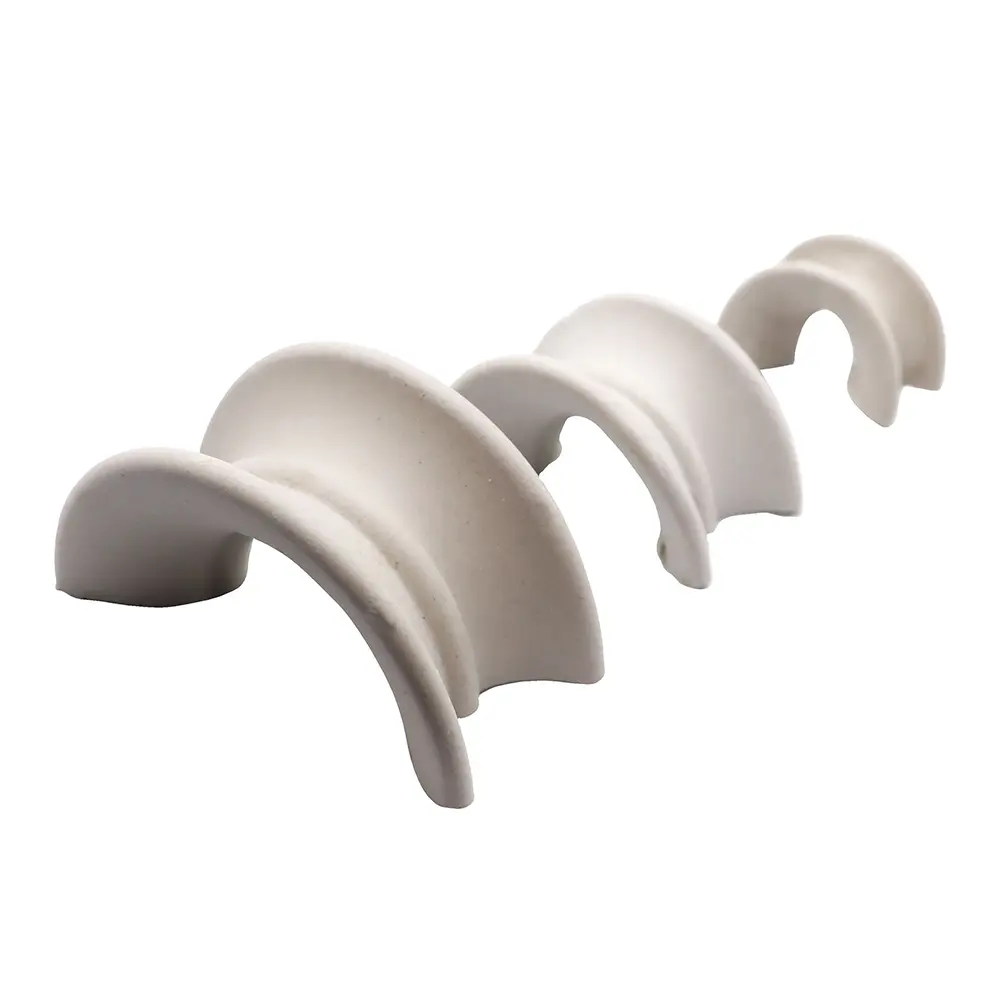
Resists hot inorganic and organic acids (except hydrofluoric acid), widely used in sulfuric acid drying and absorption towers.
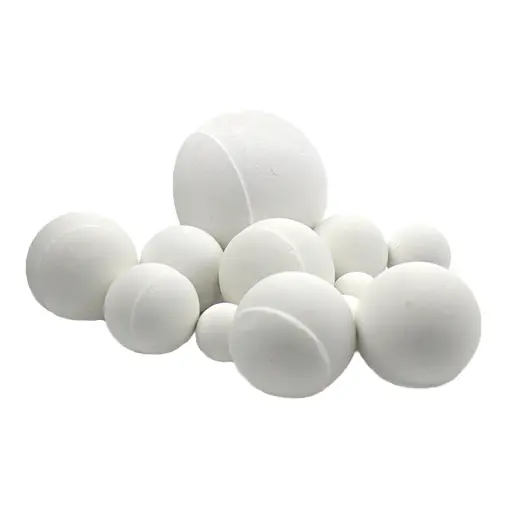
High density and low wear loss for ceramic glaze, mineral and pigment milling, reducing iron contamination of the product.
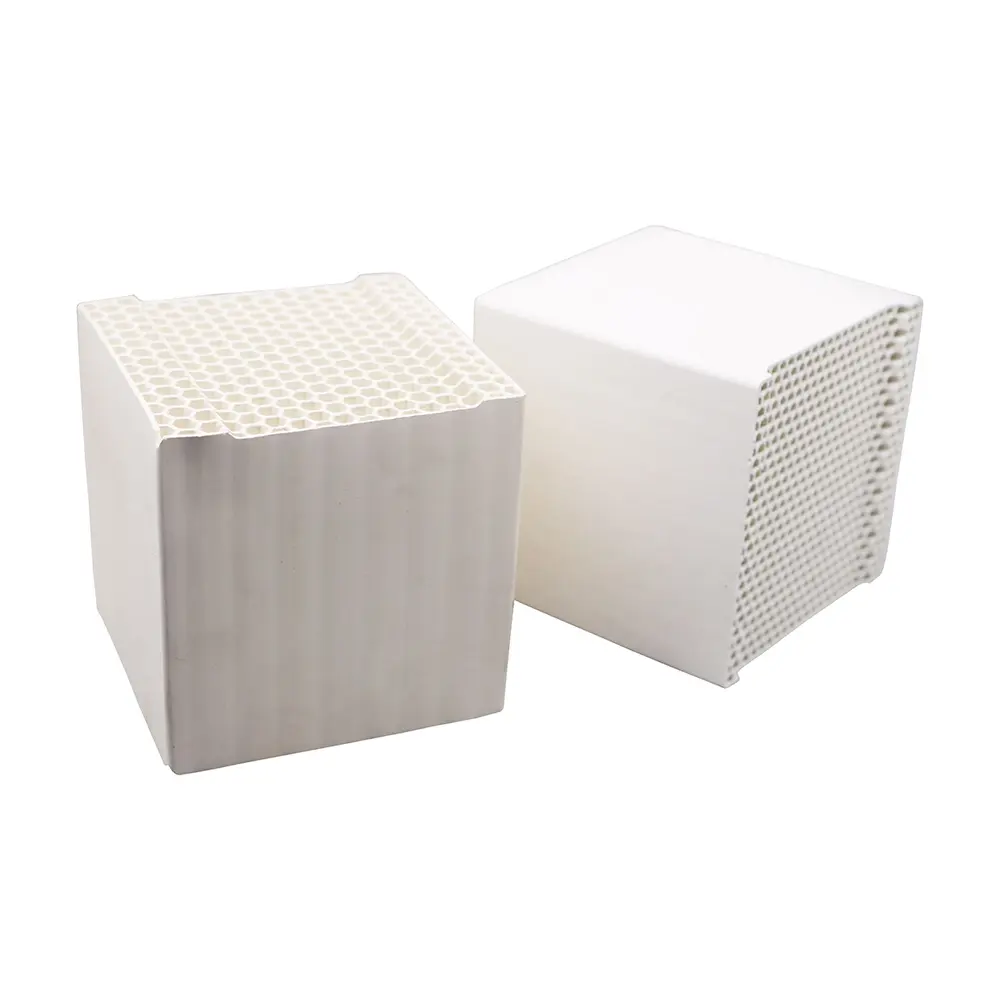
Thin-wall channels store and release heat in regenerative thermal oxidizers, cutting fuel use in VOC treatment lines.
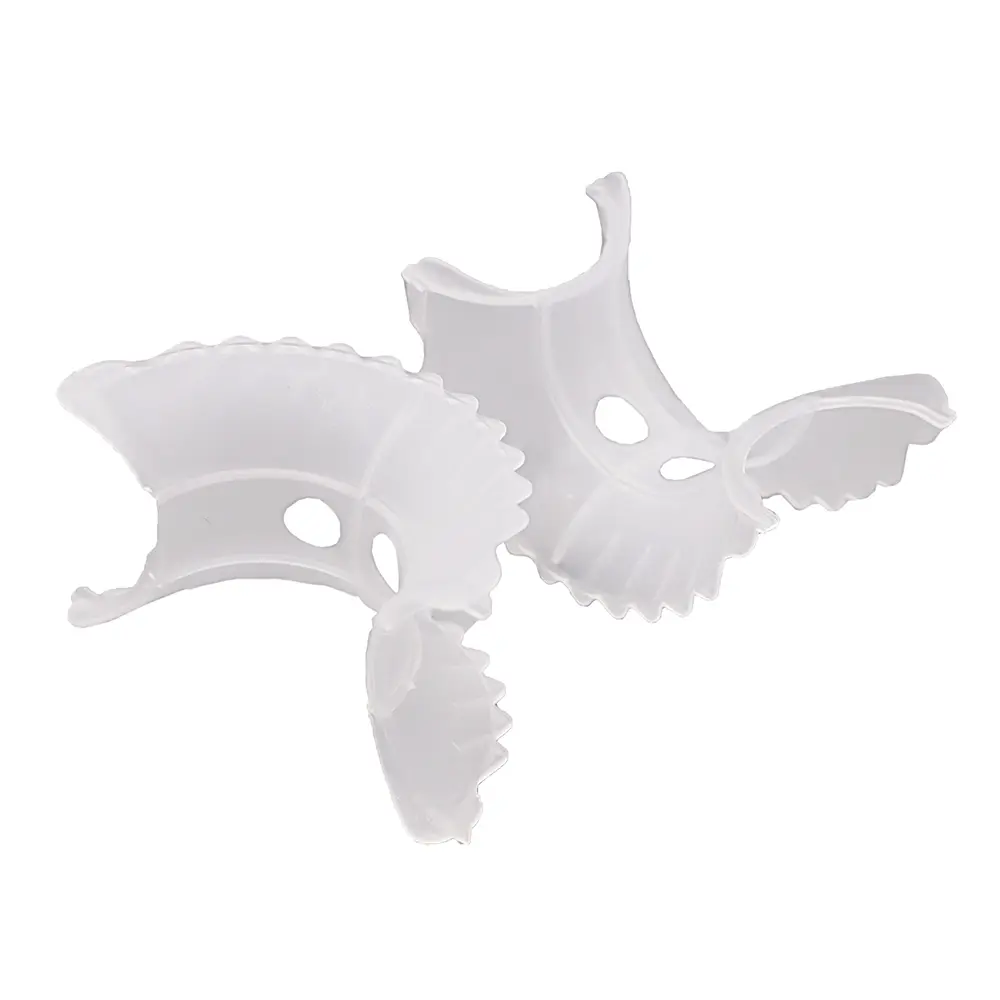
Scalloped edges and drain holes improve wetting and gas flow in scrubbers, strippers and corrosive gas absorption.

Symmetrical spherical shape packs uniformly without nesting, suited to degassing towers, odor control and wastewater stripping.
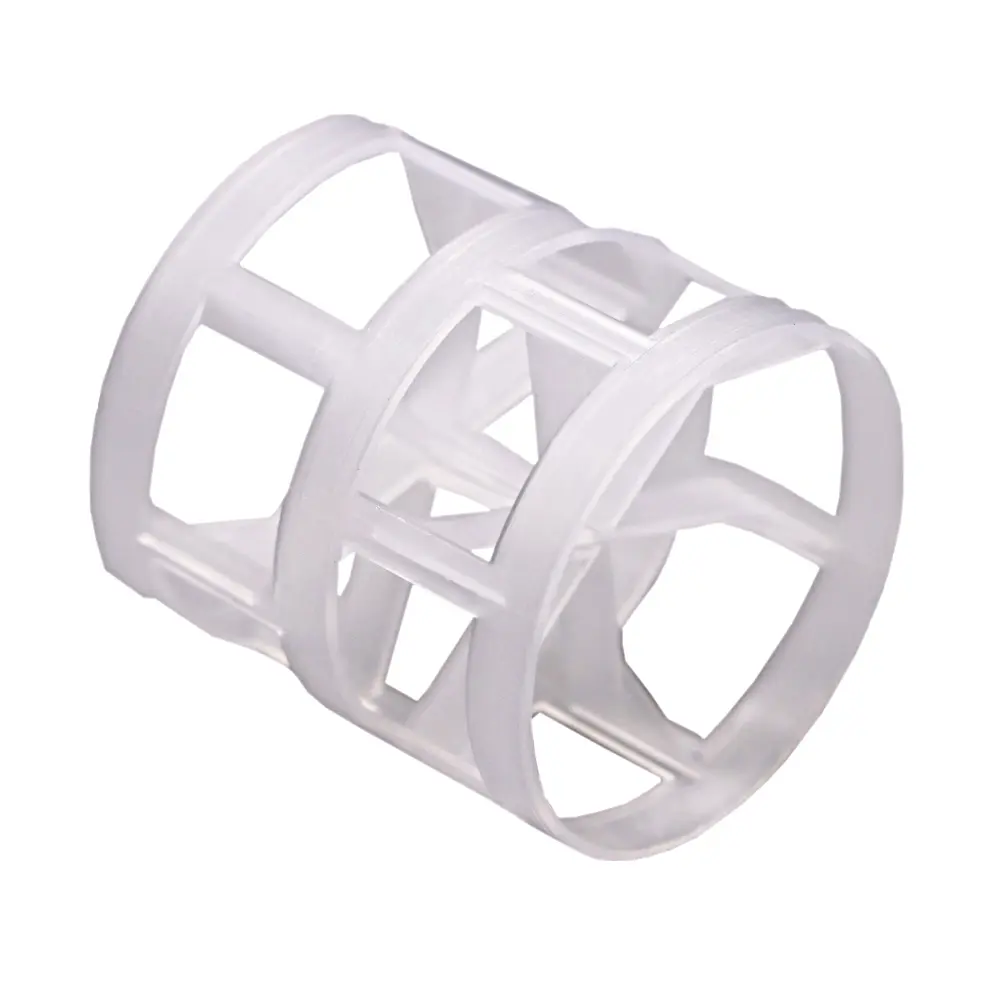
Economical, chemically inert random packing for acid gas scrubbers, chlorine and ammonia absorption and cooling towers.
Pall rings and related media are specified wherever gas, liquid or molten metal must be contacted, separated, filtered or heat-exchanged reliably. The application logic changes by region and plant configuration, so the same nominal packing can require different materials, sizes and documentation.
Reactor bed support, fractionation and vacuum columns.
Inert balls · Metal packingDrying, absorption and SO₃ towers under hot acid attack.
Ceramic saddles & ringsRegenerative thermal oxidizers and catalytic oxidizers.
Honeycomb ceramicInclusion removal from aluminum, iron and steel melts.
Ceramic foam filtersDehydration, CO₂ removal and solvent drying.
Molecular sievesDegassing, dechlorination and odor scrubbing.
Plastic packing · Ceramic ballsFine wet grinding in ball mills with low contamination.
Alumina grinding ballsBiological filtration in ponds, tanks and RAS systems.
Bio-ceramic filter mediaSoutheast Asia: growing chemical, palm-oil, fertilizer and water-treatment demand; buyers often prioritize corrosion resistance, shipment consolidation and responsive small-batch sourcing. Middle East: refinery, gas processing and desalination projects require robust documentation and material traceability. Europe and North America: VOC control, energy efficiency and revamp projects demand low pressure drop and reliable technical data. Latin America and Africa: maintenance and expansion projects value durable packing, spare-part availability and clear packing marks.
Before choosing a pall ring supplier, define: tower diameter and bed height; service (distillation, absorption, stripping, scrubbing); vapour/liquid loads; operating temperature and pressure; medium corrosivity; allowable pressure drop; cleaning and fouling risk; required capacity range; and turnaround schedule. Send these data to a supplier’s technical team and ask for a written recommendation, not a catalogue number alone.
Wrong media selection is one of the most common causes of premature bed failure, high pressure drop and catalyst contamination. Use these field-proven reference points to shortlist options and to challenge supplier assumptions.
Alumina content drives strength, temperature limit and silica leaching — the three factors that matter most under a catalyst bed.
| Grade | Al₂O₃ | Key Property | Typical Application |
|---|---|---|---|
| Standard Inert | 17–23% | Chemically stable, cost-efficient | Catalyst bed support & hold-down in hydrotreaters, reformers |
| Medium Alumina | 23–30% | Higher crush strength | Higher-pressure reactors, gas dryers, deep beds |
| High Alumina | 90–92% | High hardness, low wear | Grinding media, abrasive service |
| Super High Alumina | ≥99% | Minimal silica leaching, high temperature | Steam reformers, secondary reformers, ammonia units |
Match geometry and material to your service, corrosivity and pressure-drop budget.
| Packing | Material | Strength | Best For |
|---|---|---|---|
| Metal Pall Ring | SS304, SS316L, CS | High capacity, good wetting | Distillation, absorption, stripping |
| Metal Intalox Saddle | SS304, SS316L | Lower ΔP than pall ring | Refinery atmospheric & vacuum towers |
| Ceramic Saddle | Acid-proof ceramic | Acid & heat resistance | Sulfuric acid, chlorine drying |
| Plastic Ring / Saddle | PP, PE, PVC, PVDF | Light, corrosion proof | Gas scrubbers, water degassing |
| Structured Packing | SS304, SS316L | Lowest ΔP per stage | Vacuum distillation, revamps |
| Honeycomb Ceramic | Cordierite, mullite | Thermal storage | RTO / RCO heat recovery |
The next competitive frontier is not simply selling rings by the cubic metre. It is combining material science, hydraulic modelling, manufacturing repeatability, documentation and after-sales support into a measurable lifecycle solution.
Suppliers will increasingly use digital data sheets, packing factor databases and CFD-assisted recommendations to reduce misselection between 25 mm, 38 mm, 50 mm and 76 mm options.
Refinery and petrochemical revamps will favour geometries that increase capacity without sacrificing efficiency. Metal pall rings, conjugate rings and structured packing will be evaluated together.
Material selection will be linked to energy intensity, turnaround intervals and emissions reduction. Durable ceramics, optimized stainless grades and recyclable metals will gain attention.
Packing suppliers will be expected to support carbon capture, hydrogen, gas processing and circular-economy projects with traceable materials, lower pressure drop and documented lifecycle performance.
For capacity bottlenecks, the solution may combine a larger pall ring at the top of the bed, a smaller high-efficiency ring in the critical section, and a liquid distributor upgrade. The economic case should include pressure-drop savings, steam consumption, product recovery and turnaround time — not only media cost.
Map the column by process condition: hot acid, alkaline, chloride-bearing, high-temperature steam or abrasive slurry. Then assign ceramic, 304, 316L, carbon steel or plastic. This simple matrix often prevents premature failure and avoids over-specifying an expensive alloy where it adds no lifecycle value.
Founded in 2003, Pingxiang Zhongtai Environmental Chemical Packing Co., Ltd. grew from a ceramic packing workshop into a multi-material manufacturer and exporter. The production base sits in the West Section Hi-Tech Industry Park of Pingxiang City, with the commercial office in the city’s Economic Development Zone.
Every order is built to the buyer’s process data rather than a catalogue code, and every batch leaves with test records that can be filed with the plant’s quality system. This approach reflects the E-E-A-T principles that matter in industrial sourcing: experience in real tower applications, technical expertise in materials and mass transfer, authority derived from years of export supply, and reliability demonstrated through documentation, inspection and consistent packing.
A transparent five-step export workflow refined through years of shipments to Asia, the Americas, Europe and the Middle East.
Share tower size, service and operating conditions; engineers propose type, material and size.
Evaluate physical samples and full property data before committing to production.
Controlled firing or forming with batch tests on composition, strength and dimensions.
Cartons, jumbo bags, drums or wooden cases, palletized and marked by size and batch.
Sea, air or rail freight with complete customs paperwork and shipment tracking.
Updates from the factory, exhibitions and the engineering questions buyers ask most often.
How refined formulations and firing processes improve chlorine removal efficiency in shower filters, purifiers and municipal pre-treatment systems.
Read more →An exporter’s view of tariffs, supply-chain diversification and what overseas buyers of chemical fillers should plan for in sourcing strategies.
Read more →The team presented ceramic and environmental media to Southeast Asian distributors and met buyers sourcing for Indonesia’s growing process industry.
Read more →A plain-language explanation of conjugated ring geometry, how it differs from pall rings, and where it improves gas–liquid contact efficiency.
Read more →These questions reflect the most common decision points when comparing China pall rings packing material manufacturers and suppliers. For a project-specific review, send tower data and operating conditions to the technical team.
Dimensions, materials and physical properties for ceramic, metal and plastic products — ready for engineering review, RFQ comparison and plant documentation.
These additional product paths cover RTO/RCO honeycomb media, biofilters, metal pall rings for scrubbers, catalyst carriers, alumina ceramic balls, theta rings, Raschig rings and liquid distributors. Each link preserves the original supplier/factory route.
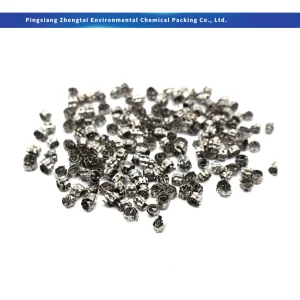
Share tower diameter, bed height, medium, temperature, pressure and required capacity. The technical team can then recommend packing type, material, nominal size and documentation.
Pingxiang Zhongtai Environmental Chemical Packing Co., Ltd.
No. 905, Global Business Center, Economic Development Zone, Pingxiang City, Jiangxi Province, China 337000
Visit main site →Supplier selection should be based on project-specific engineering review, material verification and commercial terms. The technical notes above are intended for RFQ preparation and supplier comparison.