China Molecular Sieve For Sale Factories & Pricelist

Engineered Synthetic Zeolite Adsorbents, Industrial Mass Transfer Solutions & Factory-Direct Procurement Guide

Featured Industrial Products

High-Performance Media & Tower Packing

Direct factory supply from Pingxiang, Jiangxi - China's manufacturing epicenter for chemical mass transfer media and advanced adsorbents.
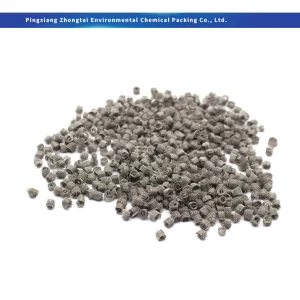
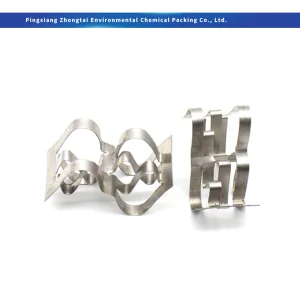
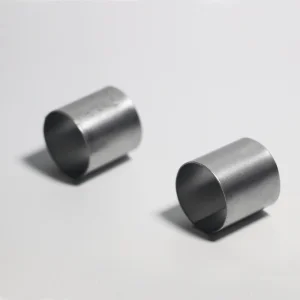
Metal Dixon Ring Wire Mesh Random Packing
Wholesale 304 316L Stainless Steel Metal Dixon Ring (Theta Ring) Wire Mesh Random Packing for Laboratory & High Purity Distillation Pricelist, Quotes
Get Price & Specs
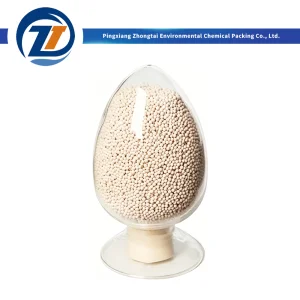
PSA Oxygen Generator 13X Molecular Sieve
China PSA Oxygen Generator 13X Molecular Sieve Supplier, Quotes
Get Price & Specs
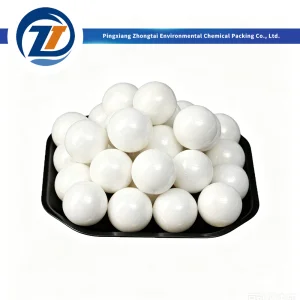
Yttria Stabilized Zirconia Grinding Ball
Wholesale Ultra Fine Yttria Stabilized Zirconia Grinding Ball Ceramic Milling Bead Manufacturer, Suppliers
Get Price & Specs
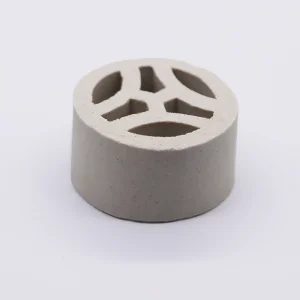
Ceramic Y Type Partition Ring Tower Packing
Wholesale Ceramic Y Type Partition Ring Tower Packing Manufacturers, Suppliers
Get Price & Specs
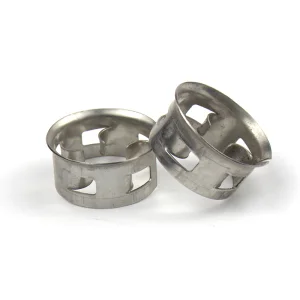
Metal Raschig Ring Tower Packing
Wholesale Metal Raschig Ring Tower Packing Manufacturers, Pricelist
Get Price & Specs
Metal Super Raschig Ring RSR
China High Capacity 304 & 316 SS Metal Super Raschig Ring (RSR) for Low Pressure Drop & Efficient Mass Transfer Factories, Pricelist
Get Price & Specs
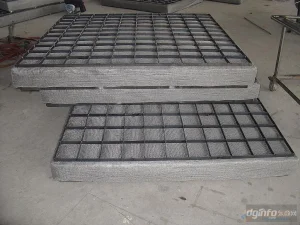
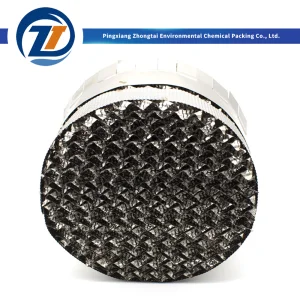
Stainless Steels Metal Wire Gauze Structured Packing
Wholesale High quality stainless steels metal wire gauze structured packing for gas-liquid separation Factory, Quotes
Get Price & Specs
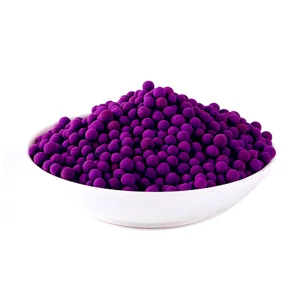
Potassium Permanganate Activated Alumina
Wholesale Potassium Permanganate Activated Alumina Manufacturers, Factories
Get Price & Specs
Industry White Paper & Executive Synthesis

Global Landscape of Commercial Molecular Sieves & Zeolite Technology

Understanding kinetic diameters, crystal structure selection, and chemical procurement economics in modern industrial processing.

In contemporary chemical engineering, industrial gas separation, and refining processes, molecular sieves stand as the foundational technology enabling ultra-deep dehydration, selective hydrocarbon extraction, gas purification, and continuous catalytic cracking. Synthesized primarily as crystalline alkali metal aluminosilicates, these porous structures feature precisely defined aperture dimensions engineered at the angstrom (Å) level. Their capability to discriminate between molecular species based on kinetic diameter and polar dipole moments establishes them as indispensible assets across global energy, medical, environmental, and metallurgical sectors.

China has established itself as the global manufacturing hub for synthetic zeolites, driving innovations in structural hydrothermal stability, bulk crush strength, and specialized pore functionalization. As global energy transitions mandate cleaner natural gas purification, higher-purity oxygen generation (PSA/VPSA), and scalable Carbon Capture, Utilization, and Storage (CCUS), Chinese factories—most prominently centralized in the Pingxiang industrial cluster—deliver advanced adsorbents under strict ISO, ASTM, and REACH quality frameworks.

The Crystalline Architecture: Type A, Type X, and Type Y Zeolites

The molecular sieve framework consists of a three-dimensional network of SiO₄ and AlO₄ tetrahedra linked by shared oxygen atoms. The presence of aluminum creates a negative framework charge that is balanced by exchangeable cations such as sodium (Na⁺), potassium (K⁺), or calcium (Ca²⁺). The specific cation species, combined with the crystalline lattice geometry, dictates the effective pore diameter:

Type 3A (Potassium-A)

Formed by exchanging sodium ions with potassium in the Type A structure, reducing the nominal pore aperture to ~3 Å. This size explicitly admits water molecules (~2.65 Å) while excluding hydrocarbons such as ethylene, propylene, and butadiene, preventing co-adsorption and polymer buildup.

Type 4A (Sodium-A)

The baseline sodium-form aluminosilicate featuring an aperture size of ~4 Å. Ideal for static moisture control in sealed insulated glass units, solvent drying, and non-corrosive gas dehydration where larger molecules are not present in competing concentration.

Type 5A (Calcium-A)

Calcium exchange expands the functional aperture to ~5 Å. This dimension allows the selective separation of straight-chain normal paraffins from branched-chain isoparaffins and cyclic hydrocarbons—a core reaction step in petroleum octane upgrading.

Furthermore, Type 13X (Faujasite, FAU structure) molecular sieves present a significantly larger pore opening of approximately 10 Å, coupled with a high silica-to-alumina ratio. This expanded spatial volume allows 13X adsorbents to capture bulky aromatic compounds, mercaptans, trace H₂S, and CO₂ from hydrocarbon streams, rendering them critical for LNG pre-treatment trains and ambient air purification prior to cryogenic distillation.

<0.1 ppm
Achievable Dew Point
95%+
PSA O₂ Purity Level
≥98%
Spherical Hydro-Strength
200-315°C
Optimal Thermal Reg.
Macro Industrial Solutions

Engineering Scenarios & Operational Integration

How specialized zeolites optimize unit operations across refining, gas processing, and environmental protection.

Pressure Swing Adsorption (PSA/VPSA) Oxygen Systems

Utilizing high-lithium swapped zeolites or highly efficient 13X adsorbents to separate atmospheric nitrogen from oxygen. High N₂/O₂ selectivity and rapid adsorption kinetics allow industrial and medical oxygen generators to output continuous 93%–95% pure O₂ streams with minimal energy consumption per ton.

Natural Gas & LNG Deep Dehydration

Preventing gas hydrate formation and freezing in cryogenic heat exchangers requires moisture reduction to below 0.1 ppm (dew points under -100°C). Type 4A and 3A molecular sieves remove water while resisting heavy hydrocarbon fouling and thermal shock during frequent regeneration cycles.

Cracked Gas & Olefin Drying

In ethylene and propylene plants, co-adsorption of unsaturated hydrocarbons leads to severe bed coking and pressure drop spikes. Specially pore-size-controlled 3A zeolites specifically exclude olefins while removing moisture down to extreme trace levels, maximizing catalyst bed lifespans upstream.

Air Separation Units (ASU) Front-End Purification

Removing moisture, carbon dioxide (CO₂), and trace hydrocarbons (like acetylene) from atmospheric air prior to cryogenic cooling. 13X-APG grades are engineered with high dynamic CO₂ capacity to prevent downstream equipment blockage and explosive hydrocarbon accumulation.

Ethanol & Biofuel Azeotropic Dehydration

Fuel-grade ethanol requires moisture reduction beyond the azeotropic limit (>99.5% purity). 3A vapor-phase dehydration beds selectively adsorb water molecules from ethanol vapor, drastically reducing operational costs compared to traditional entrainer distillation columns.

Insulated Glass & Refrigerant Drying

Preventing internal fogging and frost formation in double-glazed windows and HVAC systems. Matrix-bound 3A/4A beads absorb residual water and solvent residues without adsorbing air or nitrogen, avoiding window pane deflection caused by pressure differentials.

Technical Specification Matrix

Comparative Physical & Thermodynamic Data

Certified baseline standards for factory procurement verification and bed design sizing.

Property Parameter 3A Molecular Sieve 4A Molecular Sieve 5A Molecular Sieve 13X Molecular Sieve 13X-HP (PSA O₂)
Nominal Pore Size ~3 Å (0.3 nm) ~4 Å (0.4 nm) ~5 Å (0.5 nm) ~10 Å (1.0 nm) ~10 Å (Enhanced N₂ capacity)
Cationic Form Potassium / Sodium Sodium Calcium / Sodium Sodium Lithium / Sodium Exchange
Bulk Density (g/ml) 0.68 – 0.74 0.66 – 0.72 0.68 – 0.73 0.64 – 0.70 0.62 – 0.68
Static Water Adsorption (wt%) ≥ 21.0% ≥ 21.5% ≥ 21.5% ≥ 24.0% ≥ 25.5%
Crush Strength (Spherical 3-5mm) ≥ 80 N/bead ≥ 85 N/bead ≥ 85 N/bead ≥ 90 N/bead ≥ 95 N/bead
Attrition Rate (wt%) ≤ 0.10% ≤ 0.10% ≤ 0.12% ≤ 0.15% ≤ 0.08%
Regeneration Temp Range 200°C – 230°C 200°C – 250°C 200°C – 250°C 250°C – 315°C 150°C – 200°C (VPSA purge)
Primary Target Species H₂O (excludes hydrocarbons) H₂O, CO₂, NH₃, H₂S n-Paraffins, H₂O, CO₂ Mercaptans, H₂S, Aromatics Selective N₂ Adsorption from Air

* Note: Values represent baseline laboratory metrics tested under ASTM standards. Batch certificates of analysis (COA) provided with every factory shipment.

E-E-A-T Guarantee & Compliance

Factory Audits, Testing Standards & Export Quality Control

Mitigating procurement risks through rigorous analytical chemistry, standardized mechanical stress testing, and seamless international supply chains.

Purchasing chemical adsorbents directly from Chinese manufacturers requires absolute transparency regarding material composition, thermal endurance, and physical structural integrity. Industrial beds often contain hundreds of metric tons of molecular sieves operating under severe cyclic pressures and thermal swings. A structural failure leading to bead crushing, dust migration, or premature hydrothermal degradation can cause catastrophic downstream filter blinding, valve erosion, and unscheduled plant shutdowns costing millions of dollars in downtime.

Our Batch-Level Quality Verification Protocol

At our Pingxiang production facility, every lot undergoes rigorous multi-stage analytical testing prior to packaging:

  • X-Ray Fluorescence (XRF) & XRD Analysis: Verifies the exact Si/Al framework ratio and crystalline phase purity, ensuring zero contamination by non-adsorptive binder phase impurities.
  • ASTM D4179 Single-Pellet Crush Strength Testing: Measures the compressive force required to fracture individual spheres or extrudates, guaranteeing the bed withstands hydrostatic packing pressures inside high-rise vessels.
  • Dynamic Breakthrough Dew-Point Testing: Tests real-time mass transfer zone (MTZ) performance using pressurized wet gas feeds to verify dynamic water absorption capacity down to sub-ppm levels.
  • Attrition Resistance (ASTM D4058): Simulates pneumatic loading and thermal cycle attrition to keep fines formation strictly below 0.1% by weight.

Global Compliance & Custom Export Packaging

All molecular sieve products comply fully with international environmental safety standards, including EU REACH (Registration, Evaluation, Authorization and Restriction of Chemicals), RoHS directives, and ISO 9001:2015 quality management systems. To safeguard adsorbents against atmospheric moisture ingress during transoceanic transit, products are dispatched in hermetically sealed packaging options:

  • Air-Tight Steel Drums: 150 kg net weight steel drums with inner polyethylene liners and ring-latch seals.
  • Super Jumbo Bags: 500 kg or 1000 kg moisture-proof flexible intermediate bulk containers (FIBC) featuring aluminum-foil barrier inner liners.
  • Custom Retail / Small Packs: 25 kg cardboard boxes or metal cans tailored for OEM window manufacturing or smaller lab-scale units.
Future Technology Roadmap

Next-Generation Adsorbent Innovations

Pioneering green energy transitions, carbon capture zeolites, and low-energy regeneration protocols.

Carbon Capture & Storage (CCUS)

Development of surface-modified amine-functionalized zeolites capable of selectively scrubbing low-concentration CO₂ directly from industrial flue gases under high humidity conditions with ultra-low heat requirement for desorption.

Green Hydrogen Purification

High-selectivity molecular sieves specifically calibrated to remove trace moisture and oxygen from electrolyzer hydrogen gas streams, achieving fuel-cell grade 99.999% purity (ISO 14687 Grade D).

Low-Temperature Thermal Regeneration

Nano-engineered hierarchical pore zeolites combining mesopores and micropores to drastically shorten intra-crystalline diffusion pathways. This innovation reduces TSA thermal regeneration temperatures by up to 50°C, significantly cutting refinery utility bills.

Complete Catalogue & Specialized Solutions

More Direct Factory Mass Transfer Equipment

Explore our full line of random packing, structured packing, ceramic filter media, and bio-reactors.
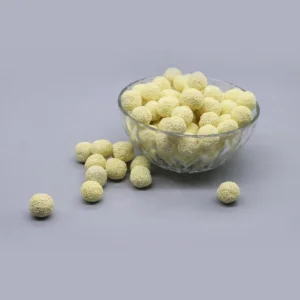
Fish tank biofilter far infrared bacterial house ball
Wholesale Fish tank biofilter far infrared bacterial house ball Factories, Pricelist
Get Price & Specs
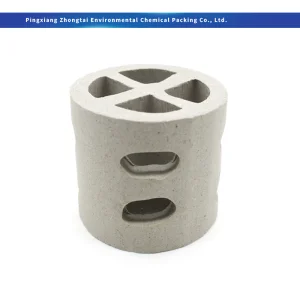
Ceramic Cross Partition Ring
China Acid & Heat Resistant Ceramic Cross Partition Ring / Ceramic Cross Ring 50mm 80mm 100mm 150mm for Tower Support & Chemical Absorption Supplier, Factory
Get Price & Specs
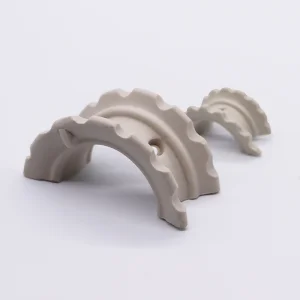
Ceramic Super Intalox Saddle Ring Tower Packing
China Ceramic Super Intalox Saddle Ring Tower Packing Factory, Factories
Get Price & Specs
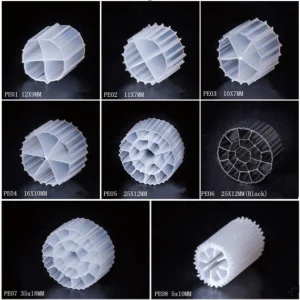
Moving bed biofilm reactor MBBR
China Moving bed biofilm reactor (MBBR) Supplier, Suppliers
Get Price & Specs
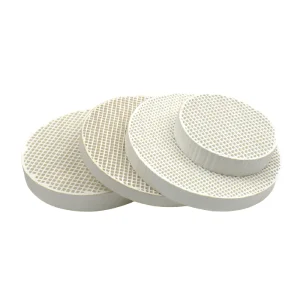
Infrared honeycomb ceramic plate for BBQ
Wholesale Infrared honeycomb ceramic plate for BBQ Supplier, Pricelist
Get Price & Specs
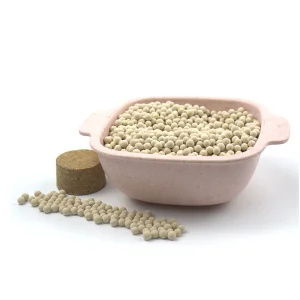
4A Molecular Sieve Zeolite Adsorbent
China High Performance 4A Molecular Sieve Zeolite Adsorbent for Natural Gas Dehydration Supplier, Quotes
Get Price & Specs
Stainless Steel Metal Structured Packing Corrugated Sheet
China 304 316L Stainless Steel Metal Structured Packing Corrugated Sheet for Distillation, Absorption & Scrubbing Towers Manufacturer, Factories
Get Price & Specs
Metal Cascade Mini Ring Tower Packing
Wholesale Metal Cascade Mini Ring Tower Packing Supplier, Quotes
Get Price & Specs
Technical & Procurement FAQ

Frequently Asked Questions by Process Engineers

Clear, non-evasive technical answers regarding selection, replacement, pricing, and factory lead times.

How do I calculate the required molecular sieve bed volume for a natural gas dehydration unit?
Sizing a molecular sieve bed involves analyzing gas composition, pressure, temperature, volumetric flow rate, and inlet water saturation. The bed volume consists of two main zones: the Equilibrium Section (where the sieve reaches saturation based on adsorption isotherms) and the Mass Transfer Zone (MTZ, where the concentration gradient drops from inlet humidity to outlet dew point). Engineers apply dynamic water capacity factors (typically 13–16 wt% for 4A/3A zeolites under operating conditions) and add a safety margin (15-20%) to account for hydrothermal aging over 3–5 year cycle lifespans.
What is the difference between 3A, 4A, 5A, and 13X molecular sieves?
The fundamental difference lies in their effective pore aperture diameter and cation composition. Type 3A (~3 Å) selectively adsorbs water while excluding hydrocarbons like ethanol and olefins. Type 4A (~4 Å) adsorbs water, CO₂, and H₂S, suitable for general gas/liquid drying without heavy hydrocarbons. Type 5A (~5 Å) admits straight-chain normal paraffins while excluding branched iso-paraffins. Type 13X (~10 Å) has the largest pore size, capturing bulky molecules, mercaptans, and aromatic hydrocarbons, making it ideal for air separation pre-treatment and LNG sweetening.
What causes molecular sieve bed degradation and high pressure drop over time?
Premature bed failure usually stems from three causes: 1) Hydrothermal aging during thermal regeneration, where excess steam collapses the zeolite crystal framework; 2) Liquid water entering the bed (slugging), causing rapid thermal shock and physical bead crushing; 3) Mechanical attrition due to improper bed packing or gas velocity exceeding fluidization limits, generating fines that plug downstream support screens and elevate pressure drops (ΔP).
What regeneration procedures are recommended for Thermal Swing Adsorption (TSA) beds?
TSA regeneration typically involves heating a dry purge gas (usually clean product gas or nitrogen) to 200°C–250°C for Type 3A/4A/5A, or 250°C–315°C for Type 13X. The heated gas desorbs trapped water molecules from the crystal cages. The cycle consists of: Heating Phase (raising bed temp until bed outlet reaches target plateau), Vapor Purge, and Cooling Phase (circulating cool gas to lower bed temp back to operating conditions prior to switching back to adsorption mode).
Why purchase molecular sieves directly from Pingxiang, China factories?
Pingxiang in Jiangxi Province is recognized globally as the primary industrial hub for ceramic tower packing, catalyst supports, and synthetic zeolites. Sourcing directly from Pingxiang factories eliminates intermediary markups (providing savings of 20%–40%), ensures direct engineering customizability for bead sizing (e.g., 1.6-2.5mm, 3-5mm) and pore formulations, and provides direct access to batch-level ASTM/ISO certified laboratory test reports.
What standard lead times and shipping packaging can overseas buyers expect?
Standard factory lead times range from 7 to 14 working days for stock formulations (3A, 4A, 5A, 13X beads/extrudates) up to 100 metric tons. Custom pore modifications or specialized lithium-exchanged O₂ PSA sieves take 15–21 days. Packaging is standardized for ocean transit: hermetically sealed 150 kg steel drums or 1000 kg moisture-barrier jumbo bags palletized on fumigated wooden or plastic pallets.