China Alumina Ceramic Grinding Balls Manufacturers & Factory

Engineering-Grade Wear-Resistant Microstructures, Ultra-Fine Milling Technical Roadmaps, and Industrial Procurement Standards for Global Mining, Technical Ceramics, and Energy Materials.

Featured Chemical Media & Engineering Components

Direct factory supply manufactured in Pingxiang cluster under strict ISO quality controls.
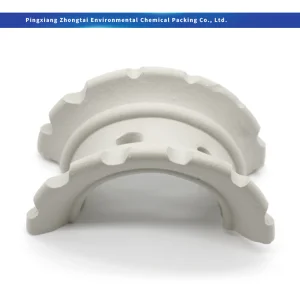
Wholesale Acid & Heat Resistant Ceramic Super Intalox Saddle Ring
Wholesale Acid & Heat Resistant Ceramic Super Intalox Saddle Ring Random Tower Packing 25mm 38mm 50mm 76mm for Chemical Absorption & Scrubbing Suppliers, Factory
View Specifications
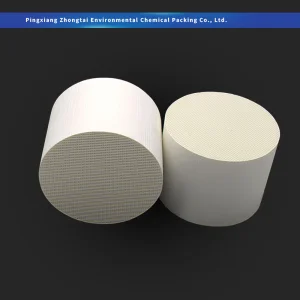
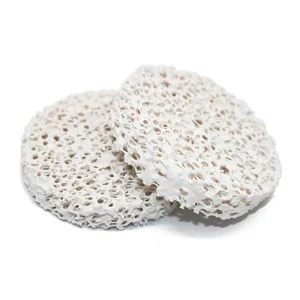
Wholesale Alumina ceramic foam filter for Steel Casting Industry
Wholesale Alumina ceramic foam filter for Steel Casting Industry Suppliers, Quotes
View Specifications
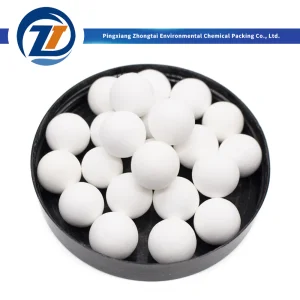
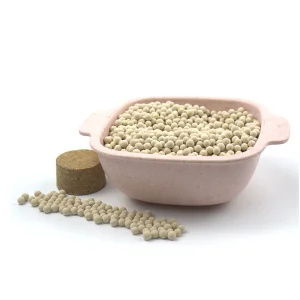
China High Wear Resistant Alumina Grinding Ceramic Ball Media
China High Wear Resistant Alumina Grinding Ceramic Ball Media for Ball Mill Manufacturer, Manufacturers
View Specifications
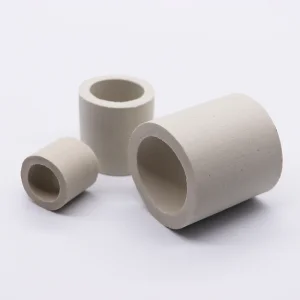
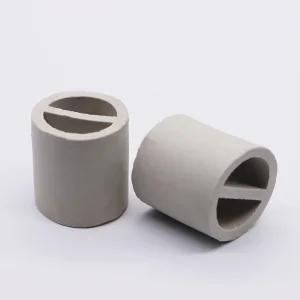
China Ceramic Raschig Ring Tower Packing
China Ceramic Raschig Ring Tower Packing Manufacturers, Factory
View Specifications
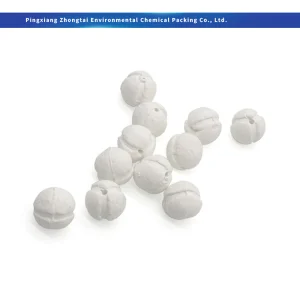
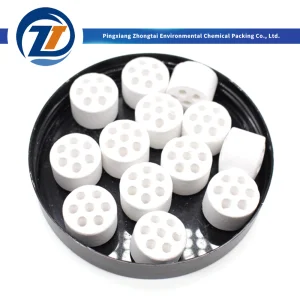
Wholesale High Performance Perforated Ceramic Ball
Wholesale High Performance Perforated Ceramic Ball Porous Catalyst Support Media for Chemical Reactor Manufacturer, Manufacturers
View Specifications
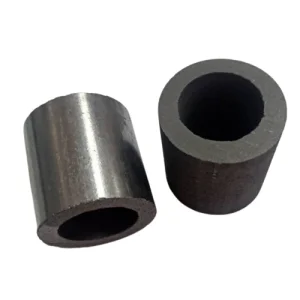
China Carbon Graphite Raschig Ring Tower Packing
China Carbon Graphite Raschig Ring Tower Packing Manufacturer, Factories
View Specifications
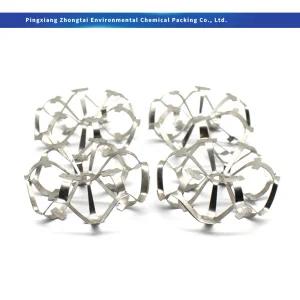
Wholesale Metal Flat Ring Tower Packing
Wholesale Metal Flat Ring Tower Packing Factories, Quotes
View Specifications
China Metal Honeycomb Catalyst Substrate
China Metal Honeycomb Catalyst Substrate | Ceramic-Coated Monolithic Structure Manufacturer, Suppliers
View Specifications

1. Macro Industry Dynamics & Global Alumina Ceramic Demand

Analyzing global fine-grinding shift, energy economics, and supply chain strategies for industrial processing plants.

The global comminution and wet-milling sector is undergoing a profound paradigm shift driven by rising energy costs, tightening environmental regulations, and the demand for sub-micron particle distributions. Industrial ball mills, stirred media detritors (SMD), and tower mills consume up to 40% of overall plant electrical energy in mining and mineral processing operations. Consequently, the transition from traditional steel grinding balls to high-density alumina ceramic grinding balls ($\alpha-Al_2O_3$) has accelerated globally.

Key Engineering Metric: Replacing forged steel balls with 92% or 95% high-alumina ceramic grinding media in wet milling applications reduces specific power consumption by 20% to 35%, lowers mill lining abrasion, and eliminates iron oxidation contamination in processed slurries.

China has consolidated its position as the premier manufacturing hub for industrial advanced ceramics. Anchored in key manufacturing clusters such as Pingxiang, Jiangxi Province, Chinese factories leverage complete raw-material supply chains—ranging from calcined Bayer process alumina powder to high-pressure cold isostatic pressing (CIP) systems and ultra-high-temperature tunnel kilns. This cluster effect provides unmatched scalability, strict quality consistency, and cost efficiency for international B2B buyers.

3.60+
g/cm³ Min. Bulk Density
92-99%
Al₂O₃ Purity Grades
<0.01%
Self-Wear Loss Rate
1650°C
Sintering Temperature

2. Material Science, Phase Transformation & Manufacturing Roadmap

Understanding microstructural density, cold isostatic pressing, and phase transformation kinetics.

The operational performance of alumina ceramic grinding media is governed by its crystal phase equilibrium and microstructural density. High-wear-resistant balls are engineered using sub-micron calcined alumina powder with a high proportion of alpha-phase alumina ($\alpha-Al_2O_3$). During high-temperature sintering in gas-fired computer-controlled tunnel kilns (1600°C to 1700°C), gamma-alumina completely converts into a tightly interlocking corundum crystal matrix.

Microstructural Comparison Matrix

Selecting the optimal media formulation depends on the operational target, slurry viscosity, and allowable wearing rates:

Parameter / Grade Medium Alumina (68% - 75%) High Alumina (92%) Super High Alumina (95% - 99%) ZTA (Zirconia Toughened Alumina)
Bulk Density (g/cm³) 2.95 - 3.10 3.60 - 3.65 3.70 - 3.90 4.15 - 4.50
Mohs Hardness 8.0 9.0 9.0+ 9.0+
Self-Wear Loss (g/kg·h) ≤ 0.15 ≤ 0.01 ≤ 0.005 ≤ 0.001
Forming Technique Rolling / Extrusion Rolling / Isostatic Pressing Isostatic Pressing (CIP) Isostatic Pressing (CIP)
Primary Application Body clay milling, glaze pretreat Ceramic glaze, mineral fine milling Lithium battery cathode, quartz fine wet mill Ultra-fine stirred mills, high-energy impact

Advanced Isostatic Pressing vs. Roll Forming

Our manufacturing technology utilizes two primary forming methodologies tailored to ball diameter ranges:

  • Cold Isostatic Pressing (CIP): Applied to larger media diameters (30mm to 90mm). Uniform hydrostatic pressure (100–200 MPa) eliminates internal stress gradients, voids, and micro-cracks, ensuring homogeneous density throughout the ball core.
  • Automated Mechanical Roll Forming: Ideal for micro-beads (0.5mm to 25mm). Continuous wet-granulation combined with automated sizing screen decks guarantees spherical precision (roundness ratio > 0.98) and high packing efficiency inside continuous ball mills.

3. Enterprise Sourcing Framework & QA Testing Protocols

Rigorous quality control workflows based on international ISO, ASTM, and DIN standards.

Crush Strength Verification

Every batch undergoes hydraulic compression testing (ASTM C773). High alumina balls (50mm) exhibit crush strengths exceeding 20 kN/ball, preventing structural shattering under severe kinetic drop forces in large-diameter mills.

Laboratory Wear Loss Rate

Evaluated using standardized wet-mill abrasion tests (ISO 20565). Samples are milled in polyurethane-lined laboratory test jars for 48 hours at constant RPM. Self-wear rates must test below 0.008 g/kg·h before factory clearance.

Archimedes Specific Gravity

Using vacuum water saturation techniques, internal porosity is tracked to ensure zero closed micropores, guaranteeing consistent target specific gravity (> 3.60 g/cm³ for 92% Al₂O₃ media).

XRF Chemical Analysis

X-Ray Fluorescence spectrometer reports verify zero unwanted tramp iron oxide ($Fe_2O_3 < 0.05\%$) or free silica ($SiO_2$) leaching, safeguarding delicate chemical formulations and battery cathode chemistry.

4. Industry-Specific Integration & Milling Engineering

Custom media grading and ball charge optimization across key global process industries.

A. Lithium-Ion Battery Materials (LFP, NMC Cathode & Graphite Anode)

In modern lithium-ion energy storage manufacturing, cathode precursors (Lithium Iron Phosphate $LiFePO_4$ and Nickel Manganese Cobalt oxides) demand ultra-fine milling to particle distributions of $d_{50} < 0.5\,\mu m$. Metallic contamination even at the parts-per-billion (ppb) level causes battery micro-short-circuits and thermal runaway risks. High-purity 95% Alumina and Zirconia-Toughened Alumina (ZTA) micro-beads are the absolute standard to prevent metallic contamination while delivering rapid particle size reduction.

B. Mining & Mineral Concentrators (Gold, Copper, Iron Ore Stirred Mills)

Base and precious metal miners operating vertical tower mills (e.g., Metso Outotec Vertimill®, HIGmill®) require media capable of withstanding extreme hydrodynamic shear stresses. High-alumina ceramic grinding balls replace forged steel media, drastically reducing specific media consumption rates (g/kWh) and preventing downstream cyanide consumption during gold leaching due to the absence of iron fines in the pulp.

C. Technical Ceramics, Sanitaryware & Glass Frits

For high-end ceramic tile bodies, glazes, and glass frits, color purity and surface finish are paramount. The low wear coefficient of 92% alumina balls prevents gray discoloration and pinhole defects during firing. Optimized ball sizing charges (e.g., 30% 50mm, 40% 40mm, 30% 30mm ratio) maximize inter-particle contact frequency, cutting mill residency times by up to 25%.

5. Technology Roadmap: Micro-Crystalline Grain Refinement

Pioneering low-carbon kiln firing, automated computer vision inspection, and nanometer media structures.

The technical evolution of alumina ceramic media focuses on fine-grain refinement technology. By introducing rare-earth sintering aids (such as $Y_2O_3$, $CeO_2$, and $MgO$), grain growth during firing is pinned, yielding average grain sizes under $2.5\,\mu m$. Smaller grain boundaries dramatically enhance fracture toughness ($K_{IC}$) and drop resistance under high impact loading.

Sustainability Focus: Chinese factories are leading the transition toward clean-energy gas-fired tunnel kilns equipped with waste-heat recovery loops. This innovation reduces carbon intensity per ton of finished ceramic media by over 18%, helping global procurement partners meet Scope 3 emissions goals.

Future development aims at 0.1mm micro-beads engineered for sub-100 nanometer wet grinding in semiconductor slurries, CMP polishing, and advanced pharmaceutical dispersion.

6. Global Logistics, Export Packaging & Compliance Support

Ensuring seamless international supply chain integration with zero damage or moisture contamination during transit.

Exporting high-density ceramic media requires robust industrial packaging to endure multi-modal ocean transportation. Standard export packaging standards include:

  • Heavy-Duty Woven Jumbo Bags (1,000 kg Net Weight): UV-stabilized polypropylene big bags featuring inner PE liners, reinforced lifting loops, and bottom discharge spouts for rapid ball mill loading.
  • Palletized Steel/Plastic Drums (250 kg per drum): Hermetically sealed containers designed for high-humidity marine freight environments or prolonged plant site storage.
  • Fumigation-Free Wooden Pallets: Compliant with ISPM 15 customs regulations worldwide, shrink-wrapped with heavy-gauge protective film.

7. Technical FAQ & Engineering Procurement Guide

Detailed answers to the technical questions asked by plant managers, process engineers, and B2B buyers.

How do I determine whether to choose 92% Al₂O₃ or 95% Al₂O₃ grinding balls for my mill?
The choice depends primarily on mill type, power density, and allowable slurry contamination. 92% Al₂O₃ ceramic balls (bulk density ≥ 3.60 g/cm³) are the industry workhorse for standard continuous and batch ball mills in ceramic glaze and mineral milling due to their optimal price-to-performance ratio. 95% Al₂O₃ balls (density ≥ 3.70 g/cm³) provide higher hardness, lower wear rates, and superior impact resistance—making them the necessary choice for high-energy stirred mills, high-viscosity slurries, or applications like lithium battery cathode materials where micro-iron contamination must be strictly limited.
What is the recommended media filling ratio (charge percentage) in industrial ball mills?
For conventional wet ball mills, the optimal volumetric filling charge of ceramic grinding balls ranges between 45% and 55% of total internal mill volume. The mass calculation formula is:
Media Weight (tons) = Mill Volume (m³) × Filling Ratio (%) × Bulk Density (t/m³).
Maintaining proper media level ensures maximum kinetic impact and attrition without causing excessive media-on-liner collision wear.
Why is high alumina media superior to forged steel balls in fine wet milling?
While forged steel balls have higher density (~7.8 g/cm³), they exhibit several severe drawbacks in wet milling: high wear rates, corrosion, high electrical energy draw due to mass weight, and severe iron oxide contamination of slurries. High alumina ceramic balls eliminate slurry discolouration, offer corrosion resistance to acids and alkalis, reduce electrical motor loads by 25-30%, and drastically extend the operational lifespan of rubber or ceramic mill liners.
How does Pingxiang manufacturing cluster benefit global buyers?
Pingxiang in Jiangxi Province is China's recognized industrial hub for technical ceramics and chemical packing. The local concentration of high-purity alumina suppliers, specialist ceramic research institutes, skilled kiln operators, and testing laboratories enables factories like ours to optimize production costs, rapidly scale bulk orders, and provide verified batch-level testing certificates (XRF, crush strength, wear loss) with short shipping lead times.
What parameters are included in the Factory Acceptance Test (FAT) report?
Every export container shipment is accompanied by an official Quality Inspection Certificate covering: Chemical composition percentage (Al₂O₃, Fe₂O₃, SiO₂), bulk density (g/cm³), water absorption rate (%), Mohs hardness, average crush strength per diameter size (kN), and 48-hour wet ball mill wear loss percentage (g/kg·h).
Can ceramic grinding media be used for dry milling applications?
Yes. However, dry milling generates significant static friction and localized temperature spikes. When using alumina balls in dry milling (such as ultra-fine quartz or feldspar grinding), grinding aids (such as triethanolamine or glycol derivatives) are recommended to prevent slurry coating/caking on the ball surface and maintain high grinding kinetics.
What size distribution ratio should be loaded into a new ball mill batch?
A balanced multi-size charge ratio ensures small balls fill the interstitial voids between larger balls. A typical starter charge ratio for raw mineral grinding is: 30% 60mm balls (for breaking coarse feed), 40% 50mm balls (for intermediate grinding), and 30% 40mm or 30mm balls (for fine attrition). Our technical service engineers calculate custom ball charge distributions based on your raw material feed size ($F_{80}$) and desired output fineness ($P_{80}$).
What is the typical shipping lead time for FCL container orders from China?
Standard sizes (e.g., 92% Al₂O₃ in 30mm, 40mm, 50mm, 60mm) are usually maintained in buffer warehouse stock, allowing dispatch within 7 to 10 days. Custom formulations (ZTA or custom shapes) take approximately 15 to 25 days for molding, drying, high-temperature tunnel kiln firing, laboratory testing, and container palletization.

Additional Specialized Mass Transfer & Reactor Packing Solutions

Explore our full line of industrial ceramic, metal, and plastic random packing media.
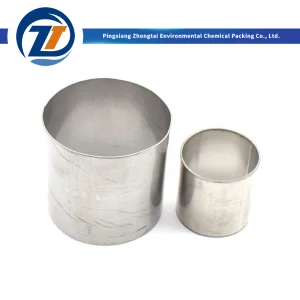
China Ceramic Mini Lessing Ring Tower Packing
China Ceramic Mini Lessing Ring Tower Packing Supplier, Quotes
View Specifications
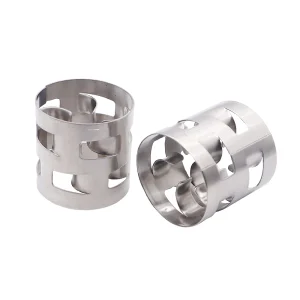
Wholesale Metal Pall Ring Tower Packing
Wholesale Metal Pall Ring Tower Packing Manufacturers, Factory
View Specifications
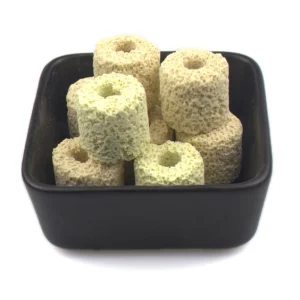
China Aquarium Filter Media Far Infrared Bacterial House
China Aquarium Filter Media Far Infrared Bacterial House Manufacturer, Quotes
View Specifications
China PSA Oxygen Generator 13X Molecular Sieve
China PSA Oxygen Generator 13X Molecular Sieve Supplier, Quotes
View Specifications
China High Strength 304 316L Stainless Steel Metal Raschig Ring
China High Strength 304 316L Stainless Steel Metal Raschig Ring Random Tower Packing 16mm 25mm 38mm 50mm 76mm for High Temperature & High Pressure Columns Manufacturers, Factories
View Specifications
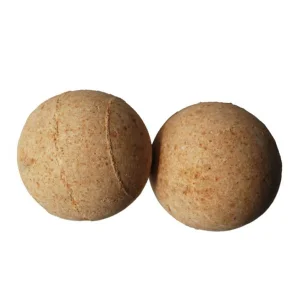
Wholesale High temperature resistance ceramic refractory ball
Wholesale High temperature resistance ceramic refractory ball Manufacturers, Suppliers
View Specifications
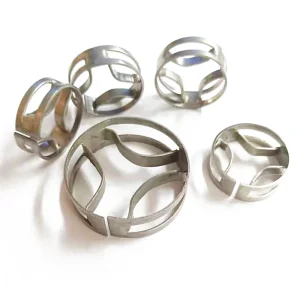
Wholesale High Wear Resistance 304 & 316 Stainless Steel Metal Teller Rosette Ring
Wholesale High Wear Resistance 304 & 316 Stainless Steel Metal Teller Rosette Ring Flower Shape Tower Packing 25mm 38mm 50mm Supplier, Pricelist
View Specifications
Wholesale High Strength Ceramic Proppant Bauxite Fracturing Media
Wholesale High Strength Ceramic Proppant Bauxite Fracturing Media for Oil and Gas Well Manufacturers, Factory
View Specifications