Engineered for severe process columns, catalytic beds, and dynamic adsorption towers. Request direct factory-gate quotes and bulk tier pricelists.
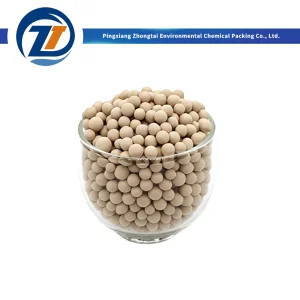
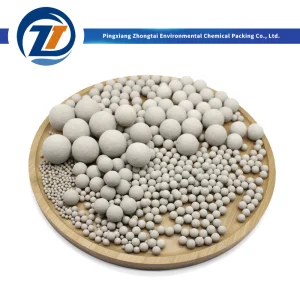
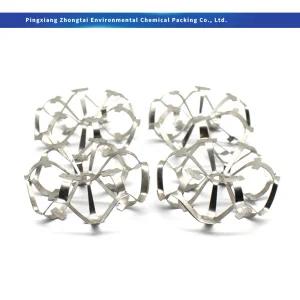
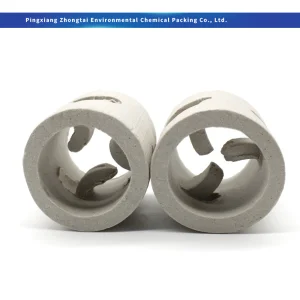
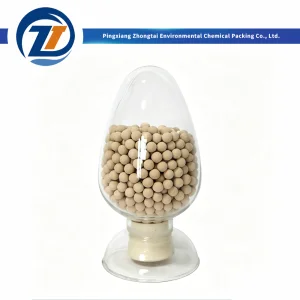
Synthetic zeolites represent a foundational chemical separation technology across refining, natural gas dehydration, industrial air separation (ASU), and medical oxygen generation. Understanding structural supply chain changes enables EPCs and procurement directors to optimize landed cost per metric ton.
Over the past decade, high baseline energy tariffs, escalating clay binder costs, and tightening chemical environmental regulations in Western Europe and North America have compressed domestic zeolite production margins. In response, global engineering contractors and industrial gas conglomerates have shifted significant volume allocations to state-of-the-art Chinese synthesis operations.
This reallocation is no longer merely cost-motivated: modern continuous-calcination kilns and fully automated binder-mixing systems in Jiangxi ensure strict pore uniformity, matching or exceeding international ASTM specifications.
The push toward clean hydrogen infrastructure, blue ammonia plants, and biomethane purification (RNG) has dramatically increased the demand for specialized crystalline aluminosilicates. Pressure Swing Adsorption (PSA) units rely heavily on Type 5A and Carbon Molecular Sieves (CMS) to strip nitrogen, methane, and carbon oxides from crude syngas, achieving high hydrogen recovery rates.
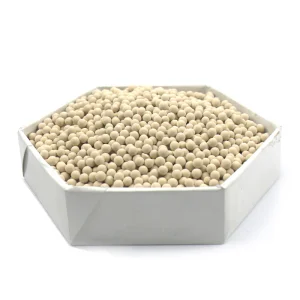
Simultaneously, the global expansion of Liquefied Natural Gas (LNG) processing trains mandates massive initial bed charges of high-crush-strength Type 4A beads to prevent cryogenic ice blockages downstream.
Procurement teams at integrated refineries and cryogenic facilities increasingly evaluate molecular sieves based on long-term hydrodynamic performance rather than simple initial purchase price per kilogram. Premium adsorbents must withstand high mechanical bed loadings, resist attrition-induced pressure drops, and maintain dynamic equilibrium capacity through thousands of thermal regeneration cycles.
Minimizing mechanical dusting prevents downstream compressor fouling, bed channeling, and unbudgeted emergency shutdowns that can cost millions of dollars in lost throughput.
Synthetic zeolites are crystalline aluminosilicates with precisely uniform micropores. Sieve selection relies on kinetic diameter matching, polarity selectivity, and the electrostatic field generated by exchangeable framework cations.
| Zeolite Type | Pore Aperture (Å) | Framework / Cation | Static H₂O Adsorption (% wt) | Crush Strength (Bead 3-5mm) | Primary Industrial Utility |
|---|---|---|---|---|---|
| Type 3A | ~ 3.0 Å | LTA (Potassium K⁺) | ≥ 21.5% | ≥ 70 N / bead | Cracked gas, ethylene, ethanol & polar liquid drying without co-adsorption. |
| Type 4A | ~ 4.0 Å | LTA (Sodium Na⁺) | ≥ 22.0% | ≥ 75 N / bead | Natural gas dehydration, instrument air drying, closed-loop refrigerant circuits. |
| Type 5A | ~ 5.0 Å | LTA (Calcium Ca²⁺) | ≥ 21.5% | ≥ 85 N / bead | Normal/iso-paraffin separation, PSA hydrogen purification, transformer oil treatment. |
| Type 13X (HP) | ~ 10.0 Å | FAU (Sodium Na⁺) | ≥ 27.0% | ≥ 40 N / bead | Medical oxygen VPSA/PSA concentrators, high-capacity CO₂ co-adsorption. |
| Type 13X-APG | ~ 9.0–10.0 Å | FAU (Modified Na⁺) | ≥ 26.5% | ≥ 65 N / bead | Cryogenic ASU pre-purification: simultaneous ultra-trace H₂O, CO₂ & hydrocarbon removal. |
| Carbon Molecular Sieve | ~ 3.0–4.0 Å | Microporous Carbon | N/A (O₂/N₂ Kinetic) | ≥ 95 N / granule | High-purity nitrogen generation systems through differential gas diffusion rates. |
Unlike silica gels or activated alumina that rely predominantly on non-specific capillary condensation across broad pore distributions, molecular sieves operate via steric exclusion and quadrupole-polar interactions.
Within the uniform crystalline cavities, intense localized electrostatic fields preferentially retain molecules possessing permanent dipole moments (such as water and hydrogen sulfide) or polarizable pi-bonds, even under extremely low partial pressures. This mechanism allows 13X-APG beds to drop CO₂ levels below 0.5 ppmv prior to cryogenic liquefaction, preventing downstream freezing.
Operating bed longevity is tied directly to properly designed regeneration protocols. Thermal Swing Adsorption (TSA) relies on purging the saturated bed with heated dry gas at 200°C to 315°C to reduce water loading to residual levels.
Pingxiang, Jiangxi Province is China's premier industrial ceramics and mass-transfer media manufacturing hub. Direct upstream integration of high-purity kaolin clay, automated forming technologies, and centralized calcination create exceptional procurement value.
Our manufacturing base operates in close proximity to regional sodium silicate and sodium aluminate synthesis infrastructure. Raw materials undergo stringent wet chemical assay screening before hydrothermal gel crystallization.
By producing our raw zeolite powder on-site rather than purchasing external precursor batches, we maintain total control over SiO₂/Al₂O₃ molar ratios, crystal seed dispersion, and cation exchange completeness.
Traditional manually rolled beads frequently exhibit irregular densities and weak outer skins prone to pulverization. Our plant uses high-shear disc granulators combined with precision attapulgite clay binders (under 18% weight ratio).
Green beads pass through computer-regulated multi-zone rotary calcination kilns where firing temperature curves are maintained within ±3°C, ensuring optimal structural phase development without thermal degradation.
Every individual production run undergoes standardized testing prior to bagging. Quality documentation includes certified batch reports detailing physical and chemical benchmarks:
Field reliability depends on rigorous process design, optimal bed layering, accurate superficial velocity calculations, and proper bed protection media.
Modern cryogenic cold boxes operate at temperatures below -170°C. Any residual moisture or CO₂ in the incoming air feed will freeze solid on aluminum plate-fin heat exchanger surfaces, forcing expensive defrost shutdowns. Furthermore, trace hydrocarbons like acetylene and heavier olefins represent critical deflagration risks within liquid oxygen sumps.
Bed Architecture: Industrial plants utilize dual-bed TSA systems configured with a compound desiccant architecture. The bottom 25-30% of the vessel is filled with high-surface-area Activated Alumina to remove bulk liquid droplets and high-humidity vapor. The upper 70% is packed with premium 13X-APG beads to strip CO₂ down to < 0.5 ppmv and trap trace acetylene, guaranteeing uninterrupted cold-box operation.
Raw natural gas emerging from wellheads contains high moisture levels, sour acidic gases (H₂S, CO₂), and heavy condensable hydrocarbons. Saturated gas under pipeline pressures forms methane clathrate hydrates that can plug subsea gathering networks and transmission chokes.
Engineered Sieve Choice: High crush-strength Molecular Sieve 4A (spherical beads, 3.0mm–5.0mm) is standard for deep dehydration down to < 0.1 ppmv H₂O. The small 4 Å pore aperture completely excludes methane, ethane, and longer-chain aliphatic hydrocarbons, preventing unwanted co-adsorption, thermal coking during bed regeneration, and capacity degradation.
Azeotropic distillation cannot concentrate ethanol beyond roughly 95.6% purity by weight due to vapor-liquid equilibrium constraints. Achieving anhydrous fuel ethanol (> 99.5% purity) requires dedicated pressure swing adsorption (VPSA/PSA) systems.
Engineered Sieve Choice: Molecular Sieve 3A is specifically formulated with an effective pore opening of 3 Ångströms via potassium cation substitution. Water molecules (kinetic diameter ~2.8 Å) penetrate freely into the crystalline micropores, while larger ethanol molecules (~4.4 Å) are completely excluded. This clean molecular separation prevents coking and thermal cracking within the bed.
Refinery hydrocrackers, desulfurization units, and green ammonia plants require ultra-pure hydrogen streams (> 99.999%). Steam methane reformer off-gas contains high concentrations of carbon monoxide, carbon dioxide, unconverted methane, and nitrogen.
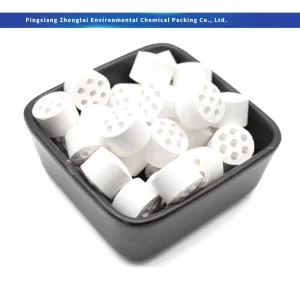
Multi-Bed Stacking: High-efficiency PSA multi-vessel carousels employ a stratified adsorbent bed. An inert ceramic ball support layer holds an activated carbon or silica base to capture bulk carbon dioxide, followed by a middle layer of Molecular Sieve 5A to capture carbon monoxide and methane. When ultra-pure nitrogen-free streams are needed, tailored Carbon Molecular Sieves finish the separation.
Direct-from-factory pricing is determined by crystalline zeolite purity, binder quality, packaging specifications, and order volume. The following indicative matrix reflects standard international FOB (China port) and CIF wholesale price structures.
| Adsorbent Grade | Standard Form & Mesh | MOQ / Trial Order | Wholesale 5–20 MT ($/MT) | Wholesale 50+ MT ($/MT) | Standard Export Packaging |
|---|---|---|---|---|---|
| Molecular Sieve 3A | Beads 1.6-2.5mm / 3.0-5.0mm | 1 MT | $1,550 – $1,850 | $1,350 – $1,600 | 25kg airtight carton / 140kg steel drum |
| Molecular Sieve 4A | Beads 1.6-2.5mm / 3.0-5.0mm | 1 MT | $1,400 – $1,700 | $1,200 – $1,450 | 140kg airtight sealed carbon steel drum |
| Molecular Sieve 5A | Beads 1.6-2.5mm / Pellets 1.6mm | 1 MT | $1,750 – $2,100 | $1,500 – $1,850 | 25kg craft bag / 125kg airtight drum |
| Molecular Sieve 13X | Beads 3.0-5.0mm / Pellets 3.0mm | 1 MT | $1,650 – $1,950 | $1,450 – $1,750 | 140kg hermetically sealed steel drum |
| 13X-APG (Cryogenic Grade) | Beads 1.6-2.5mm / 3.0-5.0mm | 2 MT | $2,100 – $2,550 | $1,850 – $2,250 | 140kg or 150kg nitrogen-purged steel drums |
| 13X-HP (Oxygen VPSA) | Beads 0.4-0.8mm (Micro-bead) | 500 kg | $3,800 – $4,600 | $3,200 – $3,900 | 125kg airtight drum with double internal PE liner |
| Carbon Molecular Sieve (CMS) | Extrudates 1.1mm / 1.3mm / 1.8mm | 500 kg | $4,200 – $5,400 | $3,600 – $4,800 | 40kg plastic drums / 137kg steel drums |
Orders exceeding 20 Metric Tons qualify for direct container-load (FCL) freight schedules, bypassing intermediary consolidation markups. For annual supply contracts exceeding 100 MT, factory-gate pricing incorporates sliding scale indexed cost guarantees tied to baseline chemical feedstock markers.
Synthetic zeolites are intensely hygroscopic. Contact with ambient air during transit leads to premature saturation. All export packaging from our factory incorporates vacuum-sealed polyethylene liners inside heavy-gauge, tamper-evident steel drums or multi-ply moisture-barrier sacks palletized on ISPM-15 heat-treated skids.
We provide full export documentation for customs clearance, including factory batch Certificates of Analysis (COA), formal chemical SDS according to GHS standards, non-hazardous cargo certifications for maritime transport, and pre-shipment inspection verification (SGS, Intertek, or BV upon request).
Procuring critical process adsorbents requires strict qualification standards to prevent column failure, catastrophic dusting, or premature bed replacement.
Auditors inspect the batch crystallization reactors, reviewing automated temperature, pressure, and aging cycle logs. The crystalline phase purity must be confirmed via X-Ray Diffraction (XRD) to guarantee zero residual amorphous material that would dilute overall adsorption capacity.
Low-cost suppliers may use inferior bentonite clay binders that quickly break down under high operating pressures. Tier-1 plants use high-purity attapulgite clay binders and conduct automated ball-pan attrition tests (ASTM D3802), certifying dust generation remains below 0.1% during vessel loading.
Static water adsorption tests do not reflect real column operating conditions. Our internal R&D facility utilizes bench-scale multi-column dynamic test skids to measure continuous mass transfer zone (MTZ) length, breakthrough curve timing, and residual bed dew points under simulated field pressures.
The next decade of industrial adsorption will be shaped by stringent net-zero mandates, expanding carbon capture projects, and clean energy storage infrastructure.
Standard commercial molecular sieve beads contain between 15% and 20% non-adsorptive clay binder, which holds the active crystals together but does not contribute to adsorption capacity. In high-demand VPSA and cryogenic units, this inactive mass limits overall efficiency and increases bed volume requirements.
Zhongtai is scaling commercial manufacturing of Binderless Zeolites. Through a secondary hydrothermal caustic conversion step, the clay binder is recrystallized directly into active zeolite framework. This delivers an immediate 18% to 22% increase in dynamic working capacity, allowing plant engineers to downsize vessel dimensions, cut capital expenditure, and lower regeneration energy consumption across operations.
As post-combustion flue gas carbon capture moves from pilot projects to gigawatt-scale deployments, chemical absorption via liquid amines faces operational hurdles, including thermal solvent degradation, high energy demand for reboilers, and toxic nitrosamine emissions. Structured zeolites and solid adsorbent beds provide a lower-energy alternative.
Tailored 13X derivatives and amine-functionalized mesoporous silica systems achieve elevated CO₂ adsorption capacities at elevated temperatures (50°C–80°C). Combined with low-energy vacuum swing adsorption (VSA), these solid adsorbents reduce regeneration energy penalties by up to 35% compared to conventional chemical wash scrubbing columns.
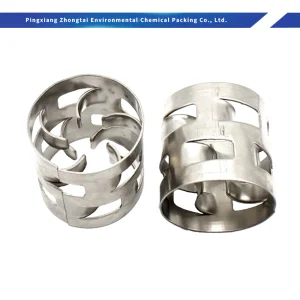
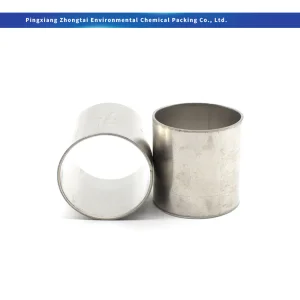
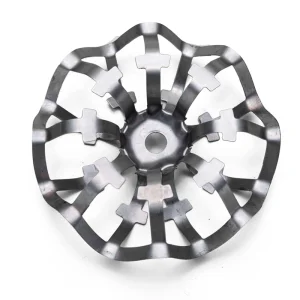
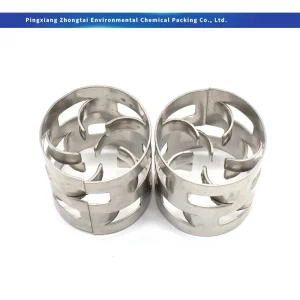
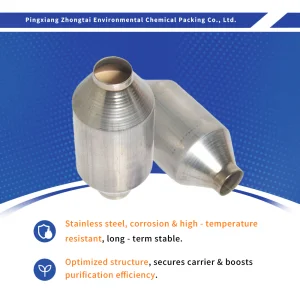
Complementing our bulk molecular sieve manufacturing, our Pingxiang factories produce high-durability tower packings and bed supports for global process plants.
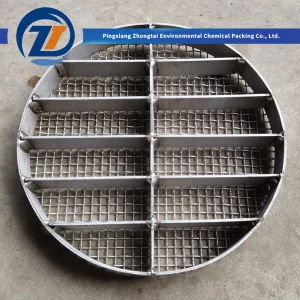
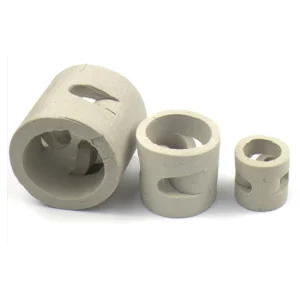
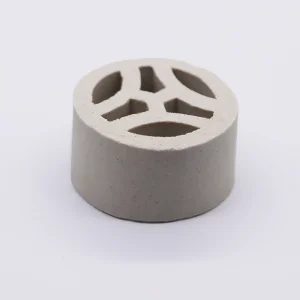
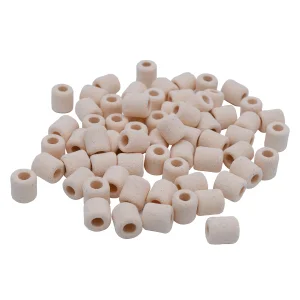
Detailed answers to the engineering and commercial questions commonly asked by procurement managers, process engineers, and plant operators.
We perform rigorous ball-pan attrition testing per ASTM D3802 on every production batch. Our high-performance disc-pelletizing systems incorporate refined attapulgite clay binders and automated multi-stage calcination, achieving mechanical crush strength ≥ 75 N/bead (4A) and attrition resistance ≥ 98.5%. Furthermore, before packaging, beads pass over vibrating screening meshes with dust extraction hoods to eliminate micro-fines.
Our baseline continuous manufacturing output in Pingxiang allows us to fulfill a 50 MT order of standard 3A, 4A, or 13X beads within 7 to 12 working days. Custom specifications (such as specialized micro-bead sizing or customized binderless formulations) typically require 14 to 20 days. Shipments are quickly dispatched via rail or trucking to Ningbo, Shanghai, or Shenzhen maritime ports for swift export routing.
Yes. We routinely work with engineering contractors to support private-label requirements, complete with OEM-branded airtight steel drums, custom multi-language warning labels, and serialized barcode markings. Our in-house technical department can tailor cation-exchange degrees (e.g., customized Ca²⁺/Na⁺ balance in Type 5A) to match proprietary tender engineering specifications.
In standard natural gas dehydration and cryogenic air separation applications with proper upstream pre-filtration (avoiding heavy liquid carryover, compressor oil contamination, and amine carryover), a high-quality zeolite bed typically operates for 3 to 5 years (roughly 2,500 to 4,000 thermal swing regeneration cycles) before dynamic capacity drop warrants turnaround replacement.
While standard 13X is designed for basic industrial gas drying and static air cleanup, 13X-APG (Air Purification Grade) is engineered specifically for cryogenic air separation units. It features a modified cation matrix and refined crystalline architecture optimized for low-partial-pressure CO₂ and nitrous oxide adsorption, achieving residual CO₂ levels < 0.5 ppmv at high superficial gas velocities.
All export products are dispatched in hermetically sealed industrial steel drums or specialized barrier bags fitted with high-density polyethylene (HDPE) vapor-barrier liners. Drums are mechanically crimped with rubber gaskets and purged with dry nitrogen or sealed in controlled-humidity environments. Pallets are completely shrink-wrapped and bound with high-tensile steel strapping.
Connect directly with our chemical process engineering team in Pingxiang. We provide comprehensive adsorption bed design calculations, breakthrough simulation models, and wholesale container-tier pricelists tailored to your project requirements.
