Engineered for high mass transfer efficiency, low attrition loss, and sustained thermal-hydrodynamic stability in demanding continuous processing systems.
Capitalizing on two decades of manufacturing synergy, integrated raw aluminosilicate sourcing, and comprehensive industrial testing infrastructure.
Situated in the heart of Pingxiang, our supply chain links directly to localized high-purity kaolin, sodium silicate, and bauxite reserves. By maintaining raw material processing in adjacent specialized facilities, thermal curing and automated extrusions achieve unprecedented kinetic batch uniformity without international price vulnerability.
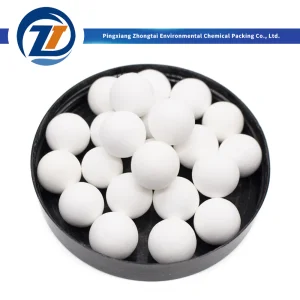
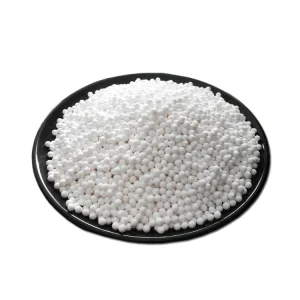
Our desiccant molecular sieves utilize computer-regulated hydrothermal crystallization reactors. We control crystal lattice growth at 3Å, 4Å, 5Å, and 10Å (13X) pore distributions with sub-angstrom precision, securing predictable static water adsorption capacities (>21.5% w/w) and minimal hydrodynamic bed resistance.
Every industrial desiccant batch leaves the plant protected against atmospheric pre-saturation. Options include nitrogen-purged 200L hermetic steel drums, 1000kg dry-nitrogen IBC flexible big bags, and automated pallet wrapping engineered to endure oceanic temperature transitions without envelope vacuum failures.
Overcoming co-adsorption phenomena, kinetic mass-transfer degradation, and bed crushing in cyclic thermal pressure swing (PSA/TSA) operations.
In cryogenic air separation units (ASU), natural gas dehydrators, and insulated architectural glazing systems, desiccant molecular sieves serve not merely as passive drying media, but as chemically engineered barrier elements against freeze-ups, acid gas formation, and mechanical fouling. Selecting the appropriate crystal lattice is essential for balance between selective adsorption capacity and longevity under thermal cycling conditions.
Engineered via partial cation substitution of sodium ions by potassium ions into the Type A aluminosilicate framework. Restricting effective aperture dimensions to ~3 Å allows water molecules (critical kinetic diameter ~2.6 Å) to be rapidly absorbed while excluding hydrocarbons such as ethylene (3.9 Å), propylene, and cracked petroleum gases. This ensures that cracking gases and ultra-pure refrigerant lines do not experience cracking, co-adsorption polymerization, or catalyst coking inside the desiccant bed.
The standard sodium form of the Type A crystalline framework. It effectively adsorbs polar molecules including water, sulfur dioxide (SO₂), hydrogen sulfide (H₂S), carbon dioxide (CO₂), and light alkanes with kinetic diameters below 4 Å. Extensively utilized in closed-loop air brake systems, static dehydration of non-reactive pneumatic pipelines, and architectural double-glazing units where uniform low-dusting properties avoid aesthetic optical contamination.
Formed by divalent calcium exchange replacing univalent sodium ions. Beyond water dehydration, its precise window size facilitates normal-paraffin (n-alkane) separation from branched iso-paraffins and cyclical aromatic hydrocarbons in petroleum refining. It delivers dependable performance across pressure swing adsorption (PSA) cycles used in industrial hydrogen generation and oxygen concentrators.
With a modified Faujasite (FAU) structural arrangement and an expanded effective pore diameter of approximately 10 Å, Type 13X delivers dynamic capture of larger trace contaminants. In cryogenic ASU feed systems, 13X captures trace ambient H₂O, ambient CO₂, and heavier trace hydrocarbons simultaneously, avoiding catastrophic cryo-heat-exchanger plate freeze-outs and oxygen condenser explosions.
| Adsorbent Classification | Effective Window | Bulk Density | Crush Strength (N/Sphere) | Static H₂O Capacity (25°C, 60% RH) | Target Industrial Duty |
|---|---|---|---|---|---|
| Zeolite 3A Desiccant | ~3 Å | 0.70 - 0.78 g/mL | ≥ 35 N (1.6-2.5mm) | ≥ 21.0 % wt | Ethylene / Propylene cracked gas, Ethanol, Refrigerants |
| Zeolite 4A Desiccant | ~4 Å | 0.68 - 0.76 g/mL | ≥ 30 N (1.6-2.5mm) | ≥ 21.5 % wt | Compressed air dryers, Static packaging, Glazing spacers |
| Zeolite 5A Desiccant | ~5 Å | 0.68 - 0.75 g/mL | ≥ 35 N (1.6-2.5mm) | ≥ 21.5 % wt | PSA Oxygen/Hydrogen plants, Iso/Normal paraffin split |
| Zeolite 13X Desiccant | ~10 Å | 0.62 - 0.70 g/mL | ≥ 28 N (1.6-2.5mm) | ≥ 24.0 % wt | Air Separation purification (Pre-purifier Units), Mercaptans |
| Activated Alumina | Macroporous | 0.68 - 0.75 g/mL | ≥ 130 N (4-6mm) | ≥ 16.5 % wt | Pre-drying guard beds, high liquid-water resistance |
Engineered documentation and compliance support for tier-one petrochemical EPCs, refinery operators, and multinational gas processors.
Every manufacturing lot conforms to European REACH Annex XVII regulations and RoHS directives. Complete Safety Data Sheets (SDS), certificates of analysis (CoA), and SVHC non-declaration filings accompany shipments destined for North American and European Union processing assets.
We work regularly with third-party testing organizations including SGS, Bureau Veritas, and TÜV. Pre-shipment batch analysis confirms particle sizing distribution (PSD), attrition loss rates (ASTM D4058), residual moisture content (Karl Fischer titration), and bulk crush strength under verified laboratory procedures.
To eliminate border delays at ports across Rotterdam, Houston, Singapore, and Jebel Ali, all palleted consignments utilize heavy-duty composite plastic or certified heat-treated ISPM-15 wooden framing, reinforced with weather-resistant shrink-wrap sheeting to preserve dry adsorbent performance during transit.
Meeting higher purity mandates in green hydrogen, industrial carbon capture, and high-efficiency thermal recovery operations.
Electrolytic hydrogen generation contains saturated water vapor that must be extracted to <5 ppmv to prevent fuel-cell embrittlement. Factory formulations are shifting to modified 3A and 4A beads optimized for low-temperature regeneration, reducing electrical parasitic loads during cyclic bed desorption.
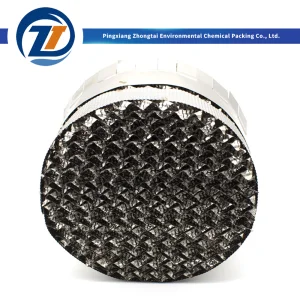
Point-source carbon capture facilities require desiccant beds to pre-dry post-combustion flue gas prior to high-pressure liquefaction. In tandem with structured tower packings, engineered 13X molecular sieves remove remaining acid vapor, safeguarding CO₂ compressors against carbonic-acid attack.
Traditional molecular sieve beads can shed dust under high velocity gas shocks. Developing non-clay silica sol and sub-micron pseudo-boehmite binder matrices has produced adsorbents that withstand continuous pressure shifts, reducing fouling across downstream inline filter elements.
Demonstrated bed performance across multi-phase petrochemical columns, cryogenic units, and industrial environmental plants.
Combined 3A/4A dual-bed architectures prevent hydrocarbon co-adsorption in polymerization catalyst trains, securing feed dew points below -70°C.
High-capacity 13X beds remove trace water, mercaptans, and CO₂ down to parts-per-billion levels prior to multi-stage refrigeration liquefaction.
Ultra-low dusting 3A/4A micro-beads ensure lifetime dew-point stability inside multi-pane architectural windows without gas expansion buckling.
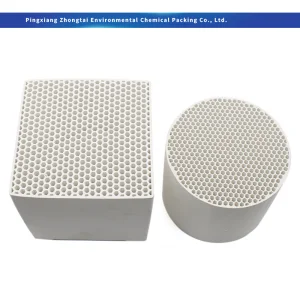
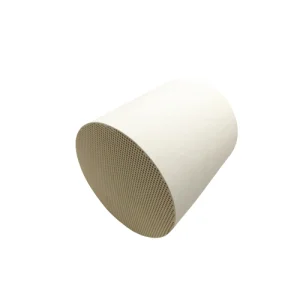
Coupling honeycomb ceramic thermal beds with specialized hydrophobic zeolites enables thermal recovery while eliminating volatile emissions.
Essential guidance for chemical engineers, plant maintenance superintendents, and international procurement managers.
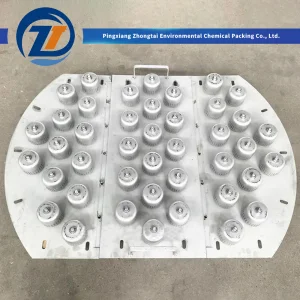
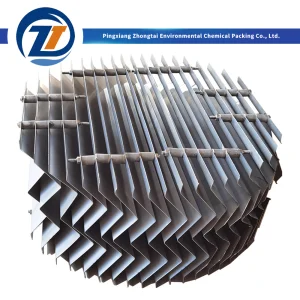
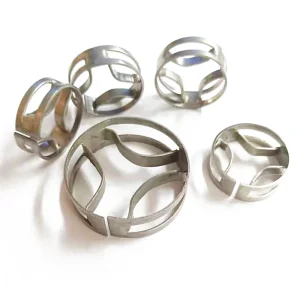
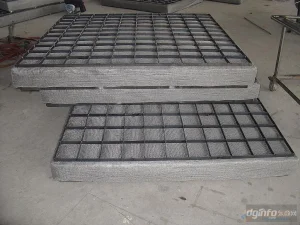
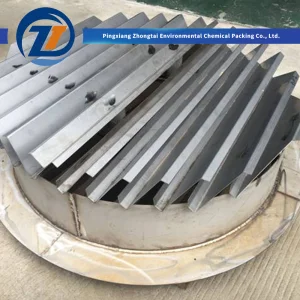
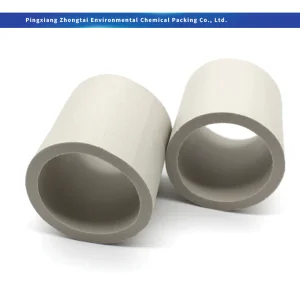
Comprehensive tower packings, liquid distributors, mist eliminators, and advanced ceramic filtration components direct from the manufacturer.