Explore standard and engineered adsorbents, ceramic supports, and column internals manufactured under strict quality standards in Pingxiang, China.
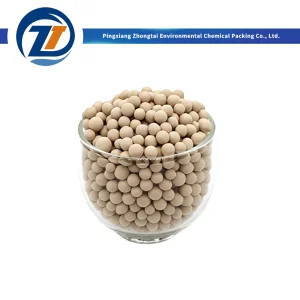
In modern chemical engineering, synthetic zeolite molecular sieves are indispensable crystalline aluminosilicates engineered for precise size- and shape-selective molecular separation, deep moisture dehydration, and trace contaminant removal.
Global LNG infrastructure demands water dew points below -100°C (-148°F) to prevent cryogenic heat exchanger freezing and hydrate formation. Type 3A and 4A molecular sieve beads eliminate H₂O down to sub-ppm levels under extreme dynamic pressures.
Advanced 13X-HP and 13X-APG zeolite beads selectively co-adsorb trace carbon dioxide (CO₂) and water from atmospheric air feeds before entering cold boxes, safeguarding turbine expanders and oxygen distillation channels from blockages.
Decarbonization drives demand for high-purity H₂ purification via Pressure Swing Adsorption (PSA). Molecular sieve 5A beads efficiently isolate H₂ from syngas streams containing CH₄, CO, and N₂, enabling fuel-cell grade hydrogen output.
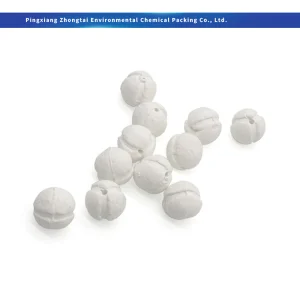
Pingxiang Zhongtai manufactures synthetic zeolite spheres (beads) and extrudates with controlled pore window apertures, tailored sodium/potassium/calcium cation ratios, and exceptional hydro-thermal bed integrity.
| Zeolite Type | Nominal Pore Window | Cation Base Form | Bulk Density (g/ml) | Crush Strength (N/bead) | Primary Industrial Applications |
|---|---|---|---|---|---|
| Molecular Sieve 3A | ~3 Ångströms (0.3 nm) | Potassium (K-A) | 0.68 – 0.74 | ≥ 35 N (1.6-2.5mm) | Ethylene, Propylene, Cracked Gas drying; Insulating Glass unit dehydration; Ethanol absolute dehydration. |
| Molecular Sieve 4A | ~4 Ångströms (0.4 nm) | Sodium (Na-A) | 0.66 – 0.72 | ≥ 40 N (1.6-2.5mm) | Closed gas/liquid system static drying; Refrigerant drying; Solvent dehydration; Air compressor beds. |
| Molecular Sieve 5A | ~5 Ångströms (0.5 nm) | Calcium (Ca-A) | 0.65 – 0.71 | ≥ 45 N (1.6-2.5mm) | Normal-paraffins / Iso-paraffins separation; Hydrogen PSA purification; Oxygen/Nitrogen generator beds. |
| Molecular Sieve 13X | ~10 Ångströms (1.0 nm) | Sodium (Na-X) | 0.62 – 0.68 | ≥ 38 N (1.6-2.5mm) | Cryogenic Air Separation pre-purification (H₂O & CO₂ removal); Mercaptan removal from natural gas; Liquid hydrocarbon sweetening. |
Industrial adsorption columns experience intense hydrostatic bed compaction, thermal cycling pressure, and hydrodynamic fluid surges. Zhongtai molecular sieve beads undergo advanced clay-binder formulation and high-temperature rotary calcination to deliver high bulk crush resistance (>85 N for 3-5mm beads), minimizing bed dusting, pressure drop spikes, and downstream valve erosion.
Temperature Swing Adsorption (TSA) relies on predictable thermal desorption dynamics. Our synthetic zeolites retain micro-porous crystal structure integrity across thousands of regeneration cycles at temperatures between 200°C and 315°C. Low residual water retention guarantees sustained mass transfer zone (MTZ) sharpness over years of continuous operation.
From North American shale gas basins to Middle Eastern petrochemical complexes and European green energy facilities, Zhongtai delivers domain-specific adsorbents and column support media.
Preventing co-adsorption of unsaturated hydrocarbons (ethylene, butadiene) during drying. Molecular Sieve 3A exclude olefin molecules, eliminating coking, polymer formation, and thermal bed fouling.
Specialized low-dusting 3A molecular sieve beads adsorb moisture and solvent traces inside dual-sealed glass windows without co-adsorbing nitrogen or argon, preventing glass deflection and thermal fogging.
High-purity Lithium-X and 5A molecular sieves engineered for high N₂/O₂ separation selectivity in portable medical oxygen concentrators and centralized hospital PSA systems.
Continuous drying of liquid solvents including ethanol, isopropanol, and acetone via liquid-phase adsorption beds to achieve anhydrous solvent purities required in pharmaceutical synthesis.
Pingxiang Zhongtai Environmental Chemical Packing Co., Ltd. operates with total transparency, offering robust technical documentation, accredited testing, and seamless international logistic support.
Every lot is subjected to X-Ray Fluorescence (XRF) composition verification, automated single-bead crush strength testing, BET surface area measurement, dynamic water adsorption capacity testing, and loss-on-ignition (LOI) analysis.
Products are packed in air-tight, heavy-duty steel drums (150L/200L) with inner vacuum-sealed aluminum foil liners, moisture-proof jumbo bags (1000kg), or customized carton boxes on ISPM-15 compliant wooden/plastic pallets.
Fully compliant with EU REACH regulations, RoHS directives, and international customs standards. Complete safety data sheets (SDS), technical data sheets (TDS), and Certificates of Origin (Form E, CO, FTA) provided.
Our engineering team in Pingxiang continues to innovate to meet demanding net-zero energy targets and next-generation chemical processing needs.
Eliminating inactive clay binders to boost static adsorption capacities by 15-20% while significantly lowering bed mass and pressure drop.
Formulating functionalized amine-modified zeolite 13X structures tailored for atmospheric CO₂ capture and direct flue-gas carbon mitigation.
Developing ultra-low temperature ortho-to-para hydrogen conversion catalysts integrated directly into synthetic zeolite frameworks.
Offering real-time bed simulation software to predict dynamic breakthrough curves, MTZ length, and cycle life for global EPC contractors.
Expert answers to common engineering questions regarding zeolite selection, vessel packing, regeneration thermal protocols, and bed design.
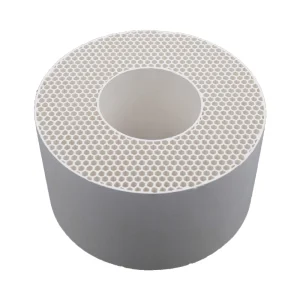
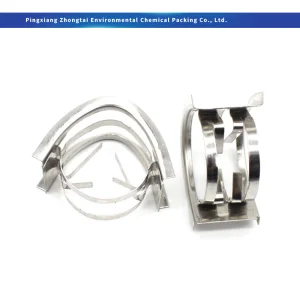
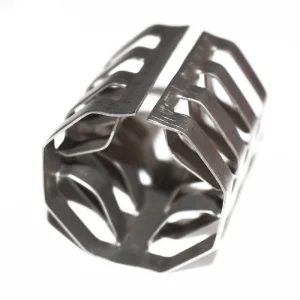
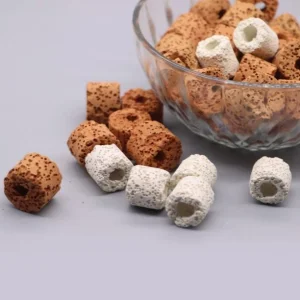
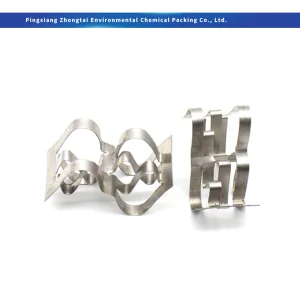
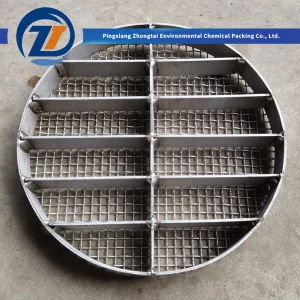
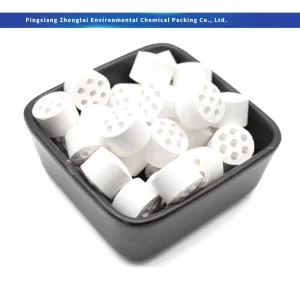
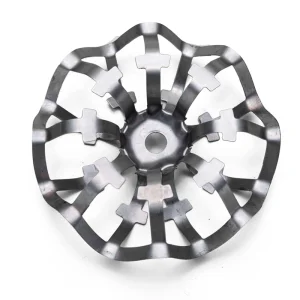
Explore our additional engineered product lines manufactured to complement molecular sieve beds in mass transfer and separation towers worldwide.