Engineered scrubbing tower media, mechanical wash contactors, and ceramic filtration systems designed to operate under Bangkok's high-temperature water matrices and heavy chemical oxidation loads.
Analyzing structural shifts in commercial laundry supply chains, regional hospitality booms, and the manufacturing integration between Chinese chemical synthesis plants and Southeast Asian downstream utilities.
Leveraging high-temperature tunnel kilns, raw alumina mineral deposits, and advanced polymer molding to deliver superior durability and scale economies to Thai engineering contractors.
Originating from specialized industrial ceramics and chemical clusters such as Pingxiang, our supply chain integrates high-purity kaolin clay, synthetic resins, mold fabrication, and firing facilities within a 30km radius, drastically compressing production cycles.
Every shipment bound for Bangkok undergoes batch testing for shore hardness, tensile integrity, and acid-alkali leaching resistance, guaranteeing that PVC friction media and ceramic column packings do not bleed contaminants into high-temperature wash liquors.
Industrial laundry scrubber towers and heat reclaimers demand specific geometric packing profiles. Chinese plants provide fully customizable surface areas from 100 m²/m³ to over 500 m²/m³, minimizing pressure drops across continuous aeration scrubbers.
| Material Category | Physical / Chemical Property | Operational Value to Bangkok Plants | Industrial Quality Standard |
|---|---|---|---|
| Food-Grade Pure PVC | Shore A Hardness: 72±3; Non-phthalate plasticizers | Prevents linen fiber fatigue during high-friction centrifugal wash cycles | RoHS, REACH Compliance |
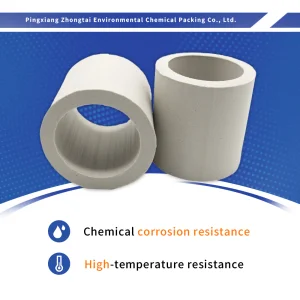
| Acid-Proof Industrial Ceramic | Water absorption < 0.5%; Acid resistance > 99.2% | Zero structural breakdown under hot chlorinated laundry stripping baths | GB/T 18749 / ASTM C515 |
| Corrugated Austenitic Steel | SS304 / SS316L metallurgy with low carbon rating | Immunity to alkaline laundry bleaches and caustic soda recovery scrubbing | AISI / ASTM A240 |
| Porous Sintered Alumina | Al₂O₃ > 90%; Mohs Hardness > 8.5; Low specific wear | Acts as unyielding catalyst support for ozone and oxidation laundry systems | ISO 9001 Batch Certified |
Examining field installations where integrated Chinese mechanical and ceramic solutions minimize utility consumption and comply with Thai environmental standards.
Centralized continuous batch washers (CBWs) process up to 50 tons of bed linens daily for luxury hotels. Incorporating high-elasticity PVC laundry media creates mechanical beating action, permitting a 15°C temperature rollback in wash baths and reducing primary chemical usage by up to 35%.
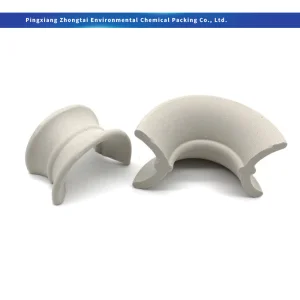
Processing linens for Bangkok’s international hospitals demands thermal disinfection or strong chlorine injection. Packed-column gas scrubbers using Ceramic Intalox Saddles absorb escaping chlorine fumes and odoriferous VOCs, ensuring zero environmental release into dense urban areas.
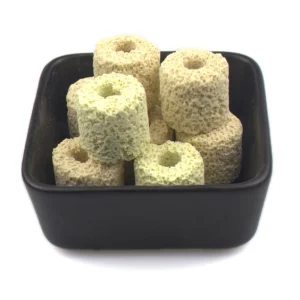
To curb deep well extraction and lower municipal water costs, high-capacity wash houses employ biological aerated filters packed with Far-Infrared Bacterial Media and ceramic partition rings. This setup breaks down recalcitrant surfactants and permits wash-water recirculation for pre-rinse cycles.
A technical roadmap for plant operators and procurement heads seeking resilience against carbon taxes and strict effluent parameters through 2030.
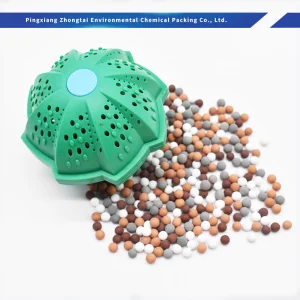
Global chemical regulations are tightening thresholds on alkylphenol ethoxylates and micro-encapsulated fragrances. The industry is moving toward physical-catalytic wash assist devices. Modern laundry spheres, combining elastomeric polymers with internal mineral bioceramics, emit negative ions and activate hydroxyl groups in ambient wash liquor, breaking down sebum and lipid binders without synthetic surfactant reliance.
Boilers providing steam to ironers and drying tumblers represent the single largest operational cost in Thai laundry facilities. Forward-looking plants are implementing heat-recovery condensing scrubbers using Metal Pall Rings and SS316L corrugated structured packing to capture boiler exhaust heat, preheating incoming city water from 28°C to 55°C without additional fuel expenditure.
As industrial estates around Chonburi and Rayong implement stringent zero-discharge standards, laundry facilities must recover up to 90% of their greywater. Packed bed bioreactors with high-voidage ceramic saddles and advanced molecular sieve filters are becoming standard engineering additions, stripping dissolved organics and heavy suspended surfactants prior to reverse osmosis polishing.
Bangkok retailers and hypermarket chains are accelerating orders for OEM eco-friendly laundry balls and water-softening ceramic hardware. Chinese manufacturing partners offer rapid custom tooling, bespoke durometer profiles, and sustainable post-consumer resin formulations, cutting time-to-shelf from months to weeks.
Straightforward technical and commercial answers tailored for procurement managers, factory directors, and municipal facility contractors.
Our industrial-grade PVC laundry spheres are formulated with thermal stabilizers rated up to 95°C. They maintain dimensional and structural elasticity throughout hot wash cycles, preventing deformation and preventing polymer leaching into the linen weave.
Shipments departing major Chinese ports (Shanghai, Ningbo, or Shenzhen) reach Bangkok Port (Klong Toey) or Laem Chabang within 7 to 10 days. We provide comprehensive Form E documentation under the ACFTA, allowing eligible Thai importers to clear goods tariff-free.
While plastic packings (PP/PVC) operate well at ambient temperatures, ceramic random packings provide near-zero degradation against harsh oxidizers like ozone, concentrated chlorine gas, and hot sulfuric acid, while offering superior compressive strength for deep packed beds.
Yes. We support custom color formulations, branded injection-mold embossings, customized retail blister packaging, and precise durometer calibration (from Shore A 60 to 85) to match your proprietary equipment requirements.
Direct factory delivery of heavy chemical mass transfer media, ceramic refractory balls, and precision liquid distributors engineered for chemical processing and industrial laundering facilities across Thailand.
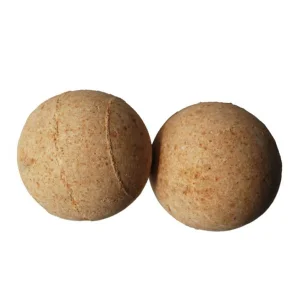
Wholesale High temperature resistance ceramic refractory ball Manufacturers, Suppliers
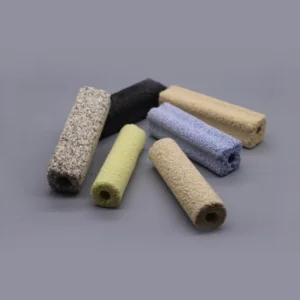
China Aquarium accessories filter Far-infrared Bacteria House Suppliers, Factories
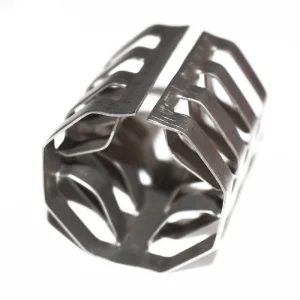
Wholesale Metal VSP Ring Tower Packing Manufacturer, Factory
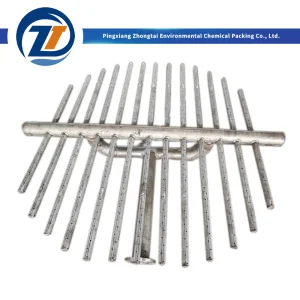
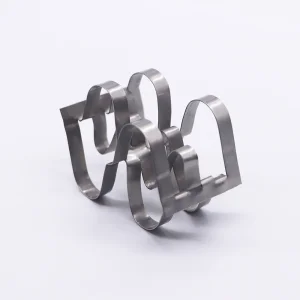
China Metal Super Raschig Ring Tower Packing Factory, Factories
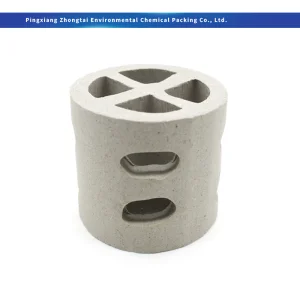
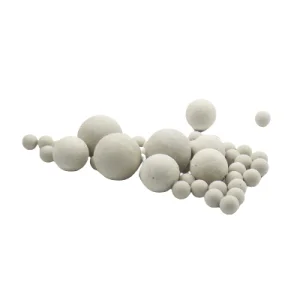
China 17%AL2O3 Inert Alumina Ceramic Ball Manufacturer, Factories
Whether you require physical samples for wash trials, comprehensive chemical compatibility data sheets, or customized packing design calculations for Bangkok installations, our engineering specialists respond within 24 hours.