Engineered to withstand severe hydrostatic heads, rapid pressure swings, and aggressive acid gas environments across continuous process towers.
Pingxiang, located in Jiangxi Province, stands recognized globally as China's foundational epicenter for chemical ceramic engineering, advanced adsorption media, and mass transfer column packings. With raw kaolin, ultra-pure synthetic aluminosilicates, and high-purity alumina quarries situated in immediate geographical proximity, Pingxiang Zhongtai Environmental Chemical Packing Co., Ltd. operates within a zero-mile supply chain radius for core raw inputs.
By leveraging computerized tunnel kilns capable of continuous firing beyond 1350°C alongside proprietary hydrothermal synthesis reactors, our manufacturing campus eliminates the extreme logistics overhead and energy volatility that challenge Western producers. Overseas procurement managers and EPC engineering consortia benefit from factory-direct pricing architectures, batch-to-batch compositional consistency, and immediate lead-time compression for multi-ton turnarounds.
Standardized chemical properties across our Pingxiang production base ensuring compliance with global downstream petrochemical licensors.
The transition toward carbon neutrality, green hydrogen economy, and ultra-high purity semiconductor industrial gases is radically transforming adsorbent and packing specifications.
Next-generation post-combustion carbon capture infrastructure necessitates engineered molecular sieves with chemically tailored alkali-metal cation frameworks. The transition shifts from basic amine scrubbing to low-regeneration-energy solid-state temperature swing adsorption (TSA) beds that drastically diminish parasite thermal loads.
Hydrogen distribution via ammonia carriers and direct methane cracking requires deep trace impurity filtration down to sub-part-per-billion (ppb) thresholds. Molecular sieves engineered with hierarchically structured mesoporous shells eliminate catalytic poisoning of fuel cell platinum membranes downstream.
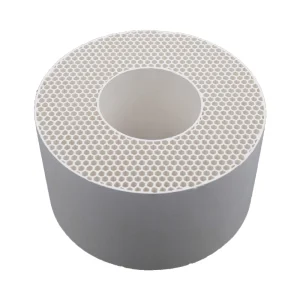
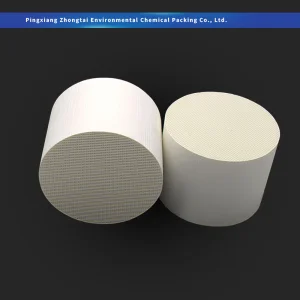
Thermal regenerative oxidizers (RTO/RCO) are moving away from traditional loose ceramic saddles to extruded cordierite and mullite cellular honeycombs. These structured monolithic blocks deliver specific surface areas exceeding 1000 m²/m³ while slashing fan pressure drop by upwards of 45% compared to random packed beds.
Precise thermodynamic, kinetic, and hydraulic matching between process conditions and filtration internal geometries.
| Adsorption / Media Type | Pore Diameter / Aperture | Primary Crystal Matrix | Target Chemical Species | Unit Operation Application | Key Operational Criterion |
|---|---|---|---|---|---|
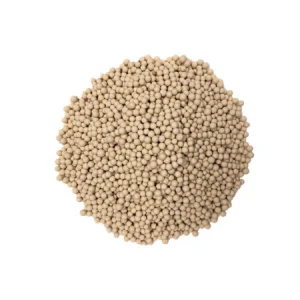
| Zeolite 3A | ~3 Å (0.3 nm) | Potassium Aluminosilicate | H2O (Excludes hydrocarbons) | Cracked Gas, Ethylene, Ethanol Dehydration | Zero Olefin Co-adsorption, Low Green Oil |
| Zeolite 4A | ~4 Å (0.4 nm) | Sodium Aluminosilicate | H2O, CO2, SO2, H2S | Natural Gas Drying, Instrument Air Dehydration | High Static Moisture Capacity (>21.5 wt%) |
| Zeolite 5A | ~5 Å (0.5 nm) | Calcium Aluminosilicate | Normal Paraffins (n-C4 to n-C14) | PSA H2 Purification, Iso-normal Separation | Sharp Kinetic Breakthrough Boundary |
| Zeolite 13X APG | ~10 Å (1.0 nm) | Sodium Faujasite (NaX) | CO2, N2O, Trace Mercaptans, H2O | Cryogenic Air Separation Pre-purification (PPU) | CO2 Adsorption ≥18 mg/g at 250°C desorption |
| Monolithic Cordierite | 40 to 60 cpsi Cells | 2MgO·2Al2O3·5SiO2 | Hydrocarbon VOCs, Halogenated Organics | Regenerative Thermal/Catalytic Oxidizers | Low Thermal Expansion (≤1.5×10^-6 /°C) |
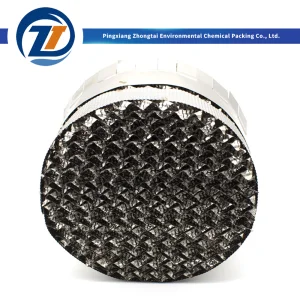
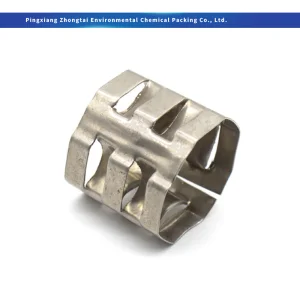
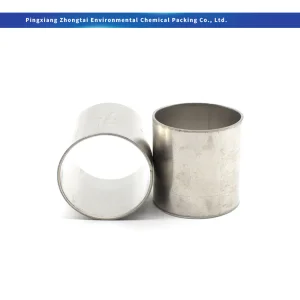
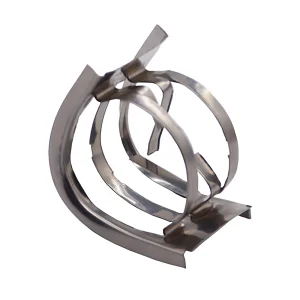
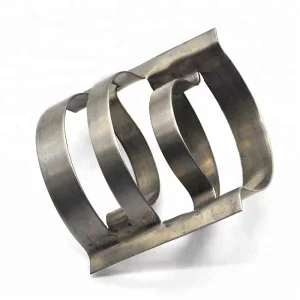
| Corrugated Metal Packing | 125Y to 500Y Specific Area | AISI 304, 316L, 904L, Alloy 20 | Vapor-Liquid Multi-Component Mixtures | Vacuum Distillation, Aromatics Fractionation | HETP 250-400mm with Minimal Hydraulic Drag |
13X APG molecular sieves prevent explosive acetylene accumulation and freeze-up plugging of cryogenic aluminum plate-fin heat exchangers by trapping atmospheric carbon dioxide and moisture upstream.
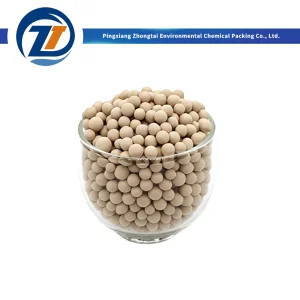
Zeolite 3A spherical beads selectively pull water molecules from ethanol-water azeotropes without co-adsorbing ethanol molecules, yielding fuel-grade ethanol (>99.8%) with no heavy tail cracking.
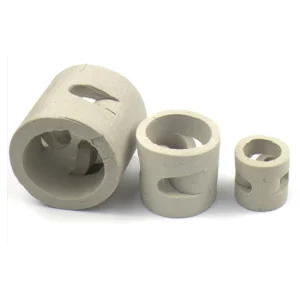
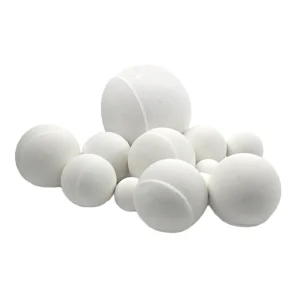
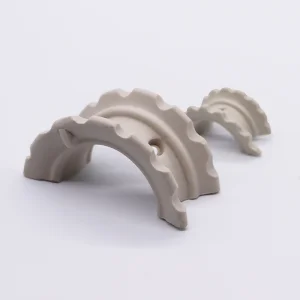
Inert ceramic saddles and ceramic ball catalyst supports defend sulfuric acid drying towers and Claus tail-gas reactors against extreme exothermic surges, hot oleum attack, and corrosive acid spalling.
Catalytic metal substrates combined with synthetic chemisorption beds eliminate sub-ppm silanes, phosphines, and toxic organic vapors in microelectronics production exhaust manifolds.
Purchasing molecular filtration media strictly on nominal price-per-kilogram without evaluating hydrodynamic attrition and regeneration durability exposes chemical plants to premature bed fluidization and catastrophic downtime.
Low mechanical integrity causes adsorbent dusting during repetitive high-velocity swing cycles. Fine particles migrate downstream, fouling compressor seals, particulate HEPA systems, and catalytic beds. Zhongtai media maintains attrition rates ≤0.15 wt% under severe pulsating stress.
Periodic thermal regeneration at 200°C to 300°C under high ambient humidity can collapse synthetic zeolite crystalline frameworks if binder formulations are suboptimal. Our refined kaolin binders retain >92% of baseline dynamic capacity after 2,500 continuous thermal cycles.
Every overseas shipment is backed by EN 10204 3.1 inspection documentation covering chemical analysis, bulk density, bulk crush strength, and moisture residue. We routinely facilitate on-site witness audits by SGS, BV, and TÜV prior to container sealing.
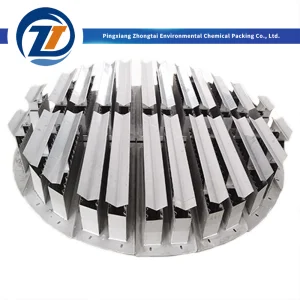
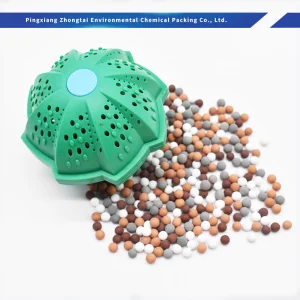
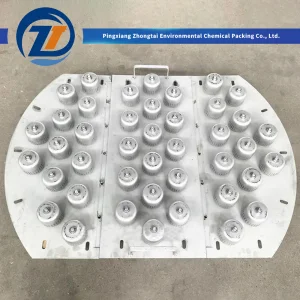
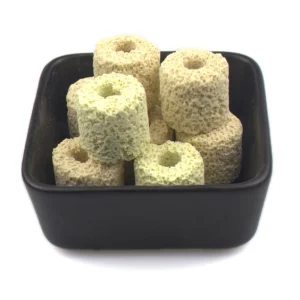
Complete portfolio covering biological water treatment, high-turndown fractionation trays, inert catalyst supports, and micro-filtration media.
Specific answers formulated by our senior process engineers to assist EPC specifiers, plant managers, and industrial procurement teams.
