Precision-manufactured mass transfer media, random column packing, and high-selectivity zeolite adsorbents fabricated for continuous thermal-swing operations.
Analyzing the potassium-exchanged aluminosilicate framework responsible for sub-nanometer moisture selectivity in reactive hydrocarbon feedstocks.
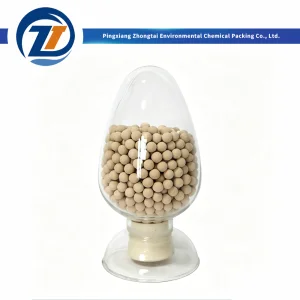
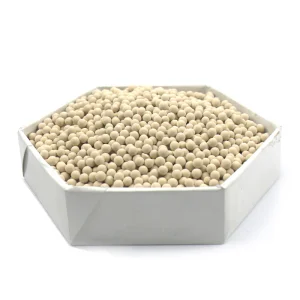
Molecular Sieve UOP Type 3A is a synthesized potassium-sodium aluminosilicate belonging to the cubic LTA (Linde Type A) crystallographic topology. Its chemical unit cell formula is represented as KnNa12-n[(AlO2)12(SiO2)12]·xH2O. In commercial production, precisely controlled ion exchange substitutes sodium ions (Na+) with larger potassium cations (K+). This ion substitution restricts the effective structural aperture opening from approximately 4.2 Ångströms down to a precise 3.0 Ångströms (0.3 nm).
Water molecules possess a critical kinetic diameter of 2.65 Ångströms, easily migrating into the high-energy intracrystalline α-cages (diameter ~11.4 Å). In contrast, unsaturated alkenes such as ethylene (kinetic diameter ~3.9 Å), propylene (~4.5 Å), butadiene (~5.2 Å), and polar solvent molecules like ethanol (~4.4 Å) are strictly excluded from entry. This spatial gating prevents the co-adsorption and internal catalytic oligomerization that otherwise generates green oils and poisons the bed.
High-purity Type 3A delivers steep breakthrough curves across long-bed dehydrators. The steepness of the Mass Transfer Zone (MTZ) is governed by fast micropore diffusion and optimal macropore pathways inside the bonded bead. Minimized MTZ length ensures maximal bed saturation before effluent dew points drift past threshold levels, yielding exit moisture contents below 0.1 ppmv (< -100°C frost point) under standard Temperature Swing Adsorption (TSA) regimes.
Procurement-grade chemical parameters, physical properties, and hydrodynamic criteria comparing Zhongtai engineered Grade 3A against international standards.
| Analytical Parameter | Unit / Test Standard | ZTAI-3A Cracked Gas Grade | ZTAI-3A Ethanol / Solvent Grade | ZTAI-3A Insulating Glass Grade |
|---|---|---|---|---|
| Bead Diameter Range | mm (Mesh equivalent) | 1.6 – 2.5 mm (8×12 mesh) | 3.0 – 5.0 mm (4×8 mesh) | 0.5 – 0.9 mm / 1.0 – 1.5 mm |
| Bulk Density | g/ml (kg/m³) | 0.70 – 0.74 (700–740) | 0.68 – 0.72 (680–720) | 0.75 – 0.82 (750–820) |
| Point Crush Strength | N / bead (Avg.) | ≥ 35 N (1.6–2.5mm) | ≥ 75 N (3.0–5.0mm) | ≥ 18 N (sub-millimeter) |
| Static H₂O Adsorption (25°C, RH 10%) | wt% (ASTM D3872) | ≥ 15.0% | ≥ 15.5% | ≥ 14.5% |
| Static H₂O Adsorption (25°C, RH 60%) | wt% (ASTM D3872) | ≥ 21.5% | ≥ 22.0% | ≥ 20.5% |
| Attrition Loss Rate | wt% (ASTM D4058) | ≤ 0.08% | ≤ 0.10% | ≤ 0.05% |
| Ethylene Co-Adsorption | wt% uptake | ≤ 0.05% (Pure exclusion) | Not applicable | Not applicable |
| Nitrogen Adsorption (IG Test) | ml/g (IG Deflection test) | ≤ 0.40 ml/g | Not applicable | ≤ 0.10 ml/g (Zero deflection) |
| Residual Loss on Ignition (LOI) | wt% (550°C, 2h) | ≤ 1.0% | ≤ 1.0% | ≤ 1.0% |
| Optimal Regeneration Temp | °C (°F) | 200 – 260°C (392 – 500°F) | 180 – 240°C (356 – 464°F) | Pre-activated / Hermetic |
Detailed operational breakdown across olefin fractionators, biofuel distilleries, architectural glazing, and clean energy transition infrastructure.
In steam cracker cold-fractionation trains, trace moisture freezes below 0°C, causing catastrophic methane/demethanizer column freeze-ups and crystalline hydrate plugs. Using Type 3A eliminates olefin co-adsorption. Competitive 4A zeolites admit ethylene, triggering exothermic polymerization reactions that form unregenerable coke deposits, drastically shortening bed life.
Ethanol and water form an atmospheric azeotrope at 95.6% ethanol by volume. Distillation cannot break this vapor-liquid boundary. Vapor-phase or liquid-phase pressure swing adsorption (PSA) units packed with 3A sieve selectively extract moisture, concentrating ethanol beyond 99.8% with zero chemical entrainers like benzene, maintaining low regeneration energy footprints.
Modern architectural insulated glass spacers require desiccants that exclusively adsorb water without capturing air gases (N₂ or O₂). If a general-purpose 4A desiccant is deployed, atmospheric temperature variations cause gas breathing cycles within the sealed cavity, leading to glass pane inward deflection, seal failure, optical distortion, and early perimeter fogging.
Electrolytic hydrogen generation via alkaline or PEM stacks produces wet hydrogen saturated with moisture. Super-purified 3A beds polish hydrogen to < 5 ppmv H₂O prior to cryogenic liquid liquefaction (20 K) or ultra-high pressure cylinder compression (700 bar). In carbon capture plants, 3A dehydrates concentrated CO₂ to stop carbonic acid formation in supercritical pipelines.
In compressed natural gas (CNG) fueling facilities and modern fluorochemical or hydrofluoroolefin (HFO) refrigerant circuits, moisture promotes aggressive corrosion and capillary expansion valve freeze-outs. Low-dust 3A beads ensure zero chemical degradation of proprietary refrigerants while sequestering free water under high mechanical vibration.
Production of active pharmaceutical ingredients (APIs) mandates strict Karl Fischer moisture thresholds in organic reaction solvents (methanol, isopropanol, acetonitrile, acetone). High-potassium 3A sieves provide sterile, non-contaminating, and non-reactive dynamic liquid drying down to single-digit ppm water concentrations without altering solvent chemistry.
Combining molecular sieve desiccant beds with inert catalyst support balls, metal structured packings, and ceramic tower internals into unified mass transfer installations.
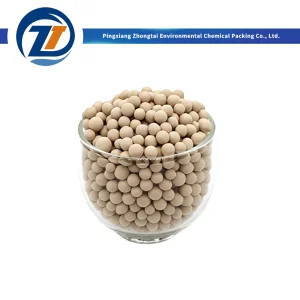
Type 3A, 4A, 5A, and 13X zeolites engineered for deep gas dehydration, PSA oxygen/hydrogen generation, and air separation pre-purification.
17% to 99% Al₂O₃ bed support and hold-down media offering exceptional thermal shock resistance and high mechanical crushing integrity.
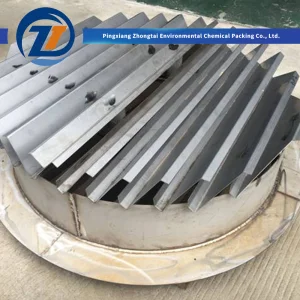
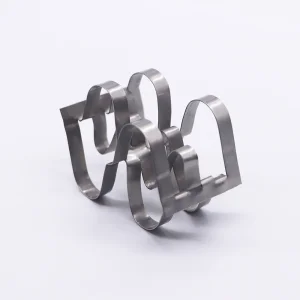
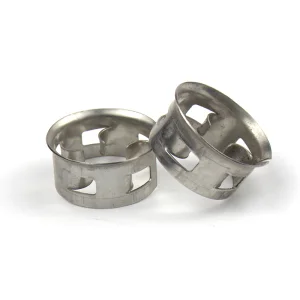
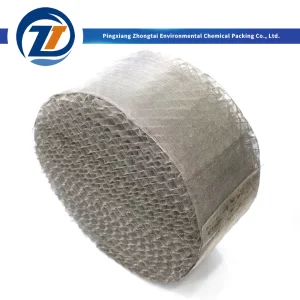
Precision SS304/316L Pall rings, Intalox saddles, and corrugated wire gauze structured packings for distillation, stripping, and absorption columns.
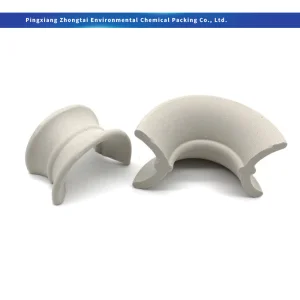
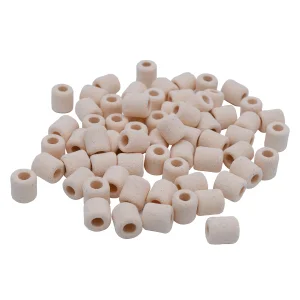
Acid-proof ceramic saddles and Raschig rings formulated for hot sulfuric acid, wet chlorine drying towers, and harsh chemical scrubbers.
Cordierite and mullite regenerative heat storage blocks for RTO / RCO systems in VOC abatement and industrial thermal recovery.
Alumina, SiC, and zirconia porous ceramic foam filters eliminating non-metallic inclusions in continuous molten metal casting.
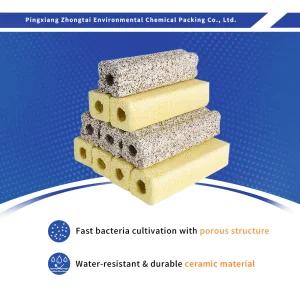
Far-infrared bacterial houses and sintered glass porous rings providing macro-surface areas for biological aquaculture nitrification.
Eco-friendly functional mineral laundry ceramics for international consumer distributors and commercial washing applications.
Strategic advancements in binderless formulation, hierarchical porosity, and low-carbon calcination shaping the future of industrial adsorption.
Conventional sieves incorporate 15–20% inert clay binder (attapulgite or kaolin), which adds mass without contributing to adsorption capacity. Zhongtai's chemical conversion process crystallizes the binder into active zeolite phase post-granulation, yielding 100% active zeolitic content. This increases effective dynamic capacity by 18–22%, enabling smaller vessel sizing and reduced capital expenditure.
Synthesizing secondary mesopores (2–10 nm) interconnected with 3 Ångström micropores eliminates diffusion bottlenecks during deep liquid-phase dehydration. Fast intraparticle mass transfer allows 35% higher superficial linear velocities without premature mass transfer zone breakthrough, minimizing the total volume of molecular sieve required in fast-cycle units.
Modifying framework aluminum coordination lowers the isosteric heat of water adsorption at initial loading while preserving steep low-pressure Henry's law slopes. This allows complete hydrothermal regeneration at 160°C–180°C instead of standard 230°C–260°C thermal ramps, unlocking direct utilization of industrial low-grade waste steam and slashing operational fuel costs.
Certified manufacturing operations compliant with international EPC inspection frameworks, ISO protocols, and hazardous exposure regulations.
Because activated Grade 3A molecular sieve aggressively captures ambient atmospheric moisture, improper packaging results in pre-loading hydration and catastrophic capacity loss prior to commissioning. Zhongtai employs multi-barrier protection protocols:
Our chemical manufacturing operations in Pingxiang follow stringent global certification standards verifying structural consistency and environmental safety:
Over two decades of excellence in industrial ceramics, molecular sieves, and mass transfer column packing from China's premier industrial hub.
Founded in 2003, Pingxiang Zhongtai Environmental Chemical Packing Co., Ltd. has developed from an engineering ceramic workshop into an internationally recognized multi-material chemical packing powerhouse. Operating from our expansive manufacturing center in the West Section Hi-Tech Industry Park of Pingxiang City, Jiangxi Province, our production ecosystem sits in the very epicenter of China's industrial ceramics cluster.
This strategic geographic clustering consolidates high-grade aluminosilicate raw material reserves, precision tunnel kilns, and multi-generational specialist technical labor within a single radius. The result is total control over our production supply chain, short fulfillment lead times, and unyielding batch-to-batch chemical repeatability.
Official Corporate Office: No. 905, Global Business Center, Economic Development Zone, Pingxiang City, Jiangxi Province, China 337000
Direct Engineering Sales: [email protected] | Global Hotlines: +86-18270997020 / +86-13979922265
Engineered mass transfer column packings, structured gauze elements, and cordierite catalyst substrates engineered for severe industrial duty.
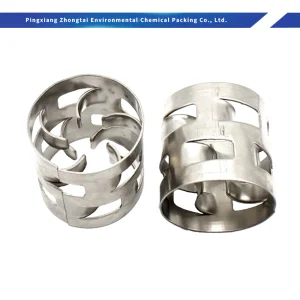
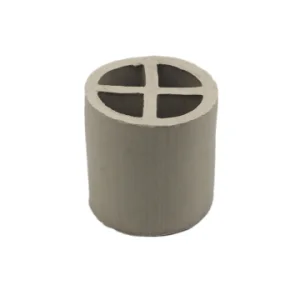
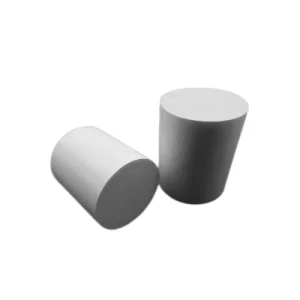
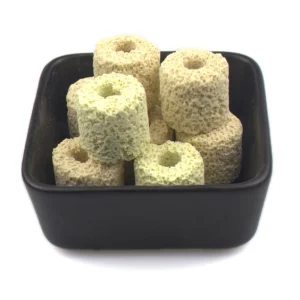
Latest technical developments from our chemical labs, global trade policy analyses, and international exhibition reports.
Investigating advanced formulations and kiln thermal curves that dramatically boost kinetic chlorine reduction in shower filters, water purifiers, and industrial pre-treatment systems.
An exporter's perspective on tariff adjustments, shipping corridor resilience, and how global procurement directors optimize strategic filler inventories.
Zhongtai's engineering leadership met with Southeast Asian plant operators in Jakarta, displaying advanced honeycomb ceramics and mass-transfer packing solutions.
A mathematical breakdown of conjugated ring curvature, highlighting liquid redispersal efficiencies, wetting characteristics, and reduced column pressure drop.
Specification-level answers covering catalyst bed sizing, molecular sieve regeneration thermodynamics, and international delivery assurance.
Directly interface with our chemical engineering desk in Pingxiang. Provide your vessel geometry, gas composition, and target dew points for a customized molecular sieve bed sizing calculation and comprehensive pricing matrix.
