Engineered for high-volume nitrification, rapid biological cycling, and minimal hydrodynamic head loss in Melbourne's recirculating ecosystems.
A rigorous examination of Victorian water chemistry parameters, regional bio-security enforcement, and commercial recirculating aquaculture systems (RAS).
Melbourne’s tap water, sourced predominantly from protected forested catchments in the Yarra Ranges, is famously soft with low carbonate hardness (KH < 2 dKH) and minimal total dissolved solids (TDS 40–90 ppm). While optimal for human consumption, this low buffering capacity poses acute risks of catastrophic pH crashes in high-density aquaculture and reef systems.
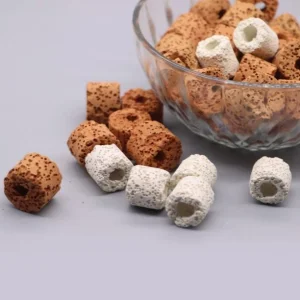
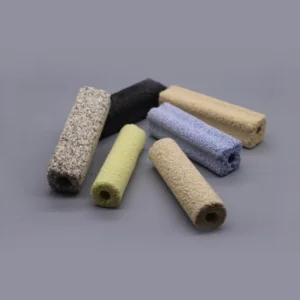
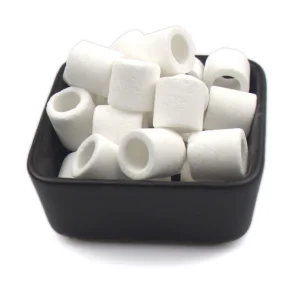
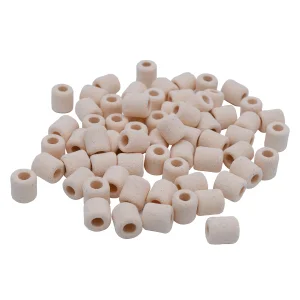
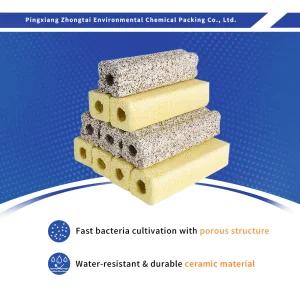
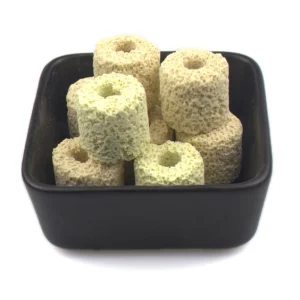
Our bio-ceramic sintered rings and bacterial houses are thermally purged and mineralogically balanced with non-calcareous cordierite and mullite compositions. They maintain inert stability without unpredictably elevating general hardness (GH) or driving unwanted TDS spikes in Victorian municipal setups.
The aquaculture sector across Victoria—ranging from barramundi recirculating systems in regional hubs to abalone hatcheries on the Bellarine Peninsula—is accelerating the transition from legacy trickle filters to ultra-high-rate submerged aerobic moving beds (MBBR) and multi-tier trickling Bakki showers.
Industrial operations demand filter media capable of continuous biological loading exceeding 1.2 kg TAN (total ammonia nitrogen) removed per cubic meter daily, coupled with zero structural degradation under aggressive saltwater hydrodynamic shear stresses.
The Australian Department of Agriculture, Fisheries and Forestry (DAFF) enforces strict biosecurity import barriers. Unprocessed organic media or insufficiently heat-treated mineral substrates face mandatory quarantine holding, fumigation, or destruction upon arrival at the Port of Melbourne.
Pingxiang Zhongtai's advanced thermal processing in 1,280°C tunnel kilns produces inorganic, fully vitrified and microbiologically sterile products that easily satisfy Australian biosecurity standards, preventing biological vectors from crossing borders.
Evaluating the mechanical, micro-structural, and bacterial colonization capacities of technical ceramics compared to commodity solutions.
Many low-cost sintered rings advertise theoretical specific surface areas exceeding 3,000 m²/L, but rely on "blind micropores" under 5 microns in diameter. These microscopic voids are entirely inaccessible to vital nitrifiers like Nitrosomonas and Nitrospira (which measure 0.6–1.5 microns across), quickly clogging with exopolysaccharide biofilms and decaying anaerobically into black hydrogen-sulfide sinks.
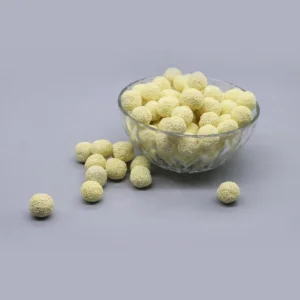
Zhongtai’s proprietary mineral foaming process forms an interconnected open-cell structure. Over 78% of its pores are engineered within the critical 20 to 120 micron range, allowing continuous capillary flow, deep biofilm penetration, dynamic self-sloughing, and stable biological filtration year after year.
Long-distance maritime shipping through the Southern Ocean to Victorian container terminals subjects ceramic media to constant mechanical abrasion. Inferior substrates arrive partially pulverized, generating fine silicates that cloud water columns and damage sensitive fish gill structures.
By using industrial-grade kaolin clays combined with specialized cordierite fluxes, our bacterial houses and ceramic bio rings achieve a minimum compressive crush strength of >18 MPa. This ensures they survive ocean transit, mechanical cleaning cycles, and the fast flow rates of pressurized trickle towers without structural breakdown.
ICP-OES batch analysis confirming undetectable lead, cadmium, arsenic, and zinc, fully protecting sensitive aquatic invertebrates and corals.
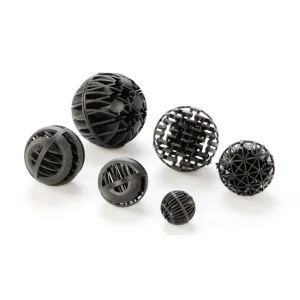
Refining internal aeration flutes on bacterial houses to maximize carbon dioxide degassing and oxygen dissolution in heavy-load filtration systems.
Infusing specialized tourmaline minerals that emit far-infrared wavelengths (8–14 μm), revitalizing water molecular clusters and improving beneficial biofilm activity.
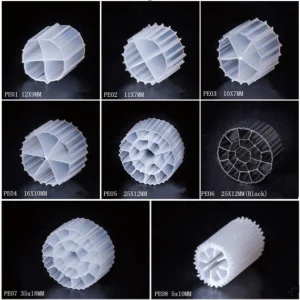
100% pure high-density polyethylene (HDPE) formulations completely free of recycled plastics or plasticizers, eliminating phthalate risks in commercial food-grade aquaculture.
Eliminating supply chain markups through direct trade links from our Pingxiang manufacturing base to Melbourne logistics hubs.
Every commercial container shipment is supplied with complete Certificate of Origin (ChAFTA documentation for preferential duty exemptions), full bill of lading, and high-temperature kiln certification guaranteeing microbiological clearance through Australian Border Force and DAFF inspection checkpoints.
We pack directly for sea freight utilizing heavy-gauge export cartons, breathable multi-ply woven jumbo bags, and ISPM-15 certified heat-treated or engineered plastic pallets. This prevents container dampness and guarantees fast, pallet-jack-ready offloading across warehousing parks in Melbourne's western and southeastern transport corridors.
From custom 500g and 1000g mesh-bagged retail units with bespoke barcode packaging to 1000-liter super-sacks for municipal zoo enclosures and utility infrastructure, we provide full private-label customization that empowers local pet supply distributors and commercial systems engineers.
Detailed engineering and supply chain specifications to help Melbourne importers make informed procurement decisions.
Comprehensive biological, chemical, and physical contact substrates engineered to support commercial, retail, and public aquarium installations across Victoria.