Precision-manufactured sintered ceramic and biological carriers for recirculating aquaculture systems (RAS), lake aeration, and retail aquatic distribution networks.
An authoritative technical analysis of expanding aquaculture investments, municipal wastewater retrofits, and pet care commerce across the Black Sea and Danube basins.
Romania represents one of Eastern Europe's most geographically advantaged zones for freshwater aquaculture, notably along the Danube Delta and across the historical fish farm reservoirs of Moldavia and Muntenia. Rapid European Maritime, Fisheries and Aquaculture Fund (EMFAF) allocations have accelerated the modernization of legacy earth ponds into intensive Recirculating Aquaculture Systems (RAS).
These modern indoor facilities produce rainbow trout, sturgeon, and carp under strict biosecurity protocols, demanding high-capacity biological filters capable of removing un-ionized ammonia (NH3-N) without introducing chemical leachates or pH instabilities into sensitive calcified spring waters.
The urban centers of Bucharest, Cluj-Napoca, Timișoara, and Iași have registered double-digit year-on-year growth in high-end ornamental aquascaping and specialized aquaristics. Romanian aquarium hobbyists and commercial boutique breeders demonstrate a pronounced shift away from low-efficiency extruded plastic tubes toward high-porosity sintered glass and far-infrared bioceramics.
Importers and pet supply wholesalers encounter growing end-user scrutiny regarding the active surface area per liter (m²/L) and resistance to attrition during backwash cleaning cycles, rendering standardized industrial manufacturing indispensable for commercial competitiveness.
Romanian municipal water operators face rigorous compliance directives under EU Directive 91/271/EEC regarding urban waste water treatment, alongside strict industrial discharge limits across the Prahova chemical processing corridor. Biological aerated filters (BAF) and moving bed biofilm reactor (MBBR) tanks have evolved into the industry benchmark for retrofitting overloaded primary treatment stages.
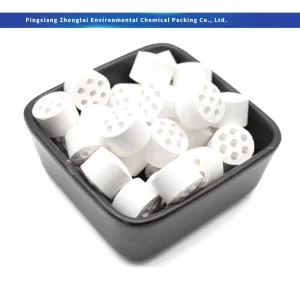
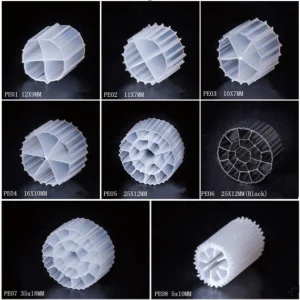
Zhongtai's virgin HDPE moving bed media and micro-porous ceramic beads provide the hydrodynamic fluidization and physical biomass retention necessary to maintain nitrification in high-variability effluent regimes.
Physical parameters and microbiological colonization vectors determining biological media lifecycle efficiency in continuous water processing.
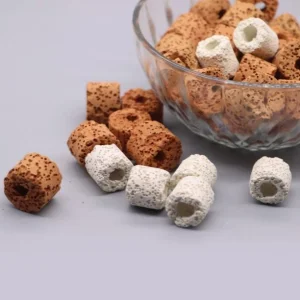
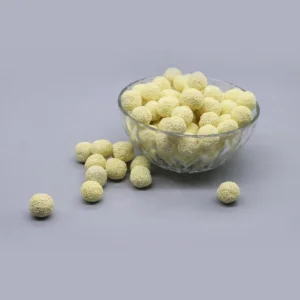
Inferior ceramic media produced with coarse foaming agents exhibit enclosed voids that trap stagnant water, culminating in anaerobic pockets that generate toxic hydrogen sulfide (H2S). Our sintering methodology utilizes microscopic quartz crystal packing alongside precision burn-out organic binders, creating interconnected capillary networks between 10 µm and 80 µm.
This allows fluid circulation directly past embedded colonies of Nitrosomonas and Nitrobacter bacteria, preventing biofilm suffocating and ensuring maximal nitrification kinetics per unit volume.
Romanian freshwater biotopes—such as those breeding native carps or sensitive Cichlid fauna—cannot tolerate unbuffered swings in water hardness or TDS. Raw clays contaminated with calcium carbonate or heavy metals raise water parameters uncontrollably.
Pingxiang Zhongtai utilizes high-purity natural aluminosilicate kaolin, rigorously vetted for trace iron and heavy metals. The final media displays strict chemical neutrality across pH ranges of 4.5 to 9.5, maintaining mineral equilibrium within sensitive aquariums and multi-ton RAS systems alike.
Bio-media installed in tall trickle filters (Bakki showers) or industrial vertical columns withstand intense hydrodynamic impacts and heavy dead-weight loading. Friable media degrades into particulate dust, clouding effluent lines and clogging impellers.
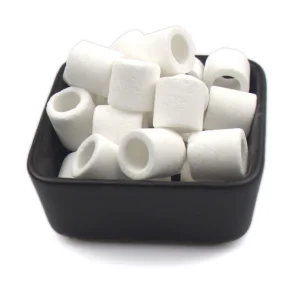
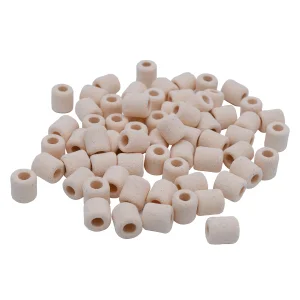
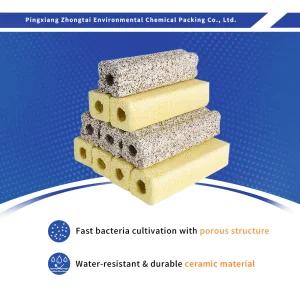
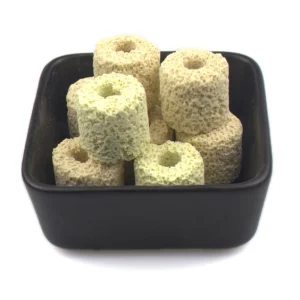
Our ceramic bacterial houses and sintered rings endure compressive forces surpassing 8.5 MPa, ensuring zero degradation during turbulent high-flow operational conditions or automated ultrasonic cleaning operations.
How Pingxiang Zhongtai couples two decades of chemical packing heritage with sea freight access through the Port of Constanța and rail routes via the New Silk Road.
Pingxiang, Jiangxi, is globally recognized as the ceramic mass-transfer capital. Our factory does not source third-party billets; we formulate raw mineral slurries, execute high-pressure hydraulic extrusion, and operate computer-monitored tunnel kilns under unified quality management protocols.
This vertical integration insulates Romanian distributors and EPC contractors from middlemen markups, delivering price-to-performance efficiency that domestic European repackagers cannot replicate.
Containerized freight leaves Shanghai, Ningbo, or Shenzhen with direct maritime routing to the Port of Constanța on the Black Sea, providing an optimal customs entryway into the Romanian national logistics network.
With established feeder shipping, customs clearance documentation (Form A, Certificate of Origin, CE Compliance, RoHS Declarations), and transshipment options to Bucharest via the A2 motorway, our deliveries ensure swift integration into Romanian warehouse distribution.
Romanian pet brands, specialized wholesalers, and municipal contractors benefit from tailored packaging architectures. We offer private-label printed retail boxes, nitrogen-sealed mesh bags, industrial bulk super-sacks (1 m³ FIBC), and UV-resistant shrink-wrapped pallets.
Our design team accommodates Romanian and bilingual (RO/EN) consumer packaging requirements with full EAN/UPC barcode conformity.
Specification guides, minimum order quantities, shipping protocols, and microbiological handling recommendations for professional buyers.
Standard ocean transit from major Chinese shipping ports (Ningbo/Shanghai) to the Port of Constanța typically spans 28 to 35 days. For accelerated requirements or lower volume trials, China-Europe Rail Express routes via Budapest or direct intermodal rail reach Romanian transshipment yards in 16 to 20 days.
Yes. Our far-infrared bacterial houses and sintered bio-rings undergo high-temperature calcination at 1,280°C, which vitrifies potential free-lime impurities. The resultant media is inert, exerting negligible influence on total dissolved solids (TDS) or pH, making it ideal for Amazonian Discus, Caridina shrimp, or Romanian trout hatcheries.
Every shipment is supported by an internationally compliant Commercial Invoice, Detailed Packing List, Bill of Lading, Certificate of Origin, and technical lab test reports confirming RoHS compliance and heavy-metal leaching safety tests (ICP-OES). Fumigation certificates are issued for solid wood pallet bases.
Yes. We support custom packaging including private-label branded full-color retail cartons, labeled zip-mesh filter bags (500g, 1000g), or branded bulk polybags. Custom branding is available for regular wholesale volumes, including translation verification for Romanian consumer product labeling.
Sintered quartz glass possesses an interconnected open-cell structure that yields approximately 3 to 5 times the usable colonizable surface area compared to standard smooth ceramic extrusions. This allows commercial aquaculture facilities to reduce filter footprint volumes while sustaining elevated bio-loads.
Standard export MOQs for consolidated cargo (LCL) begin at 1 cubic meter (approx. 500–700 kg depending on product density). For dedicated OEM packaging or custom geometry extrusions, minimums are generally 5 to 10 cubic meters or a full 20ft container.
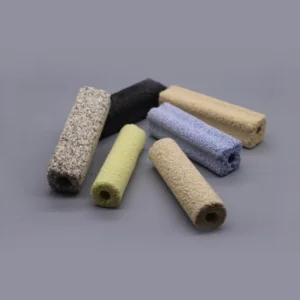
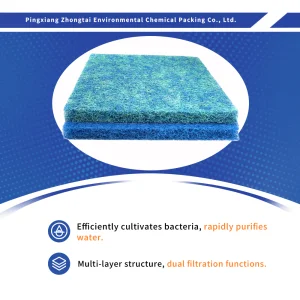
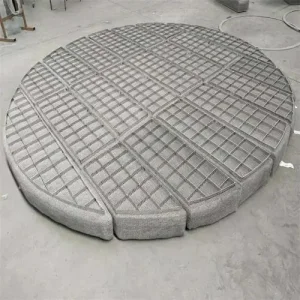
Explore our full line of industrial aquatic filter rings, high-density bacterial structures, mechanical filtration pads, and industrial chemical mass transfer packing.