Industrial-scale nitrifying media engineered to withstand semi-arid saline variations and dense stocking profiles.
Bridging natural water scarcity with high-density recirculating biological filtration systems.
Algeria, spanning the Mediterranean coast to the hyper-arid Sahara, confronts distinct hydrologic profiles that heavily influence water resource allocations, aquaculture scaling, and recreational aquarium operations. Under national modernization strategies overseen by the Algerian Ministry of Fisheries and Fishery Resources (Ministère de la Pêche et des Productions Halieutiques), commercial fish farming—including marine aquaculture in coastal wilayas such as Oran, Tipaza, and Boumerdès, alongside extensive tilapia and catfish desert aquaculture in Ouargla and Ghardaïa—is pivoting rapidly toward Closed Recirculating Aquaculture Systems (RAS).
Meanwhile, the ornamental aquarium trade in urban centers like Algiers, Constantine, and Annaba is expanding beyond casual pet shops toward high-end bespoke aquascaping, institutional public aquaria, and commercial ornamental holding facilities. These institutions demand standardized, biologically inert media capable of rapid cycling. Sourcing high-performance porous ceramics, sintered quartz, and inert fluidizing carriers within domestic Algerian supply networks has historically presented logistical bottlenecks, requiring dependable, containerized supply pipelines directly from certified manufacturing hubs.
Field-proven filtration configurations adapted to local water parameters, salinity levels, and mechanical demands.
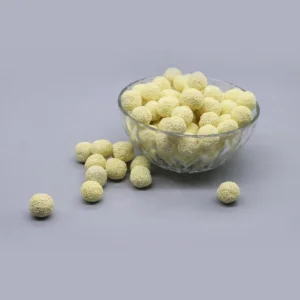
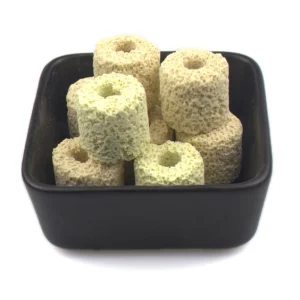
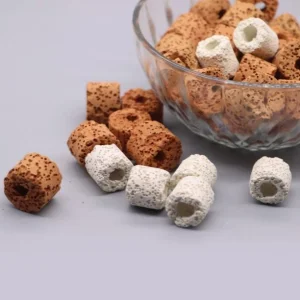
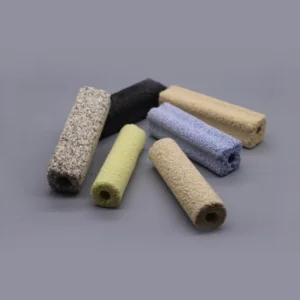
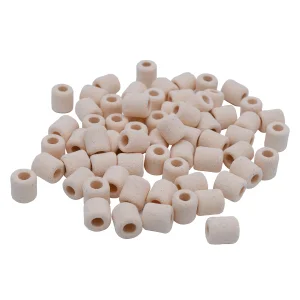
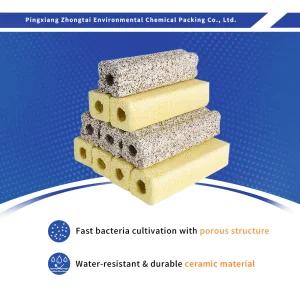
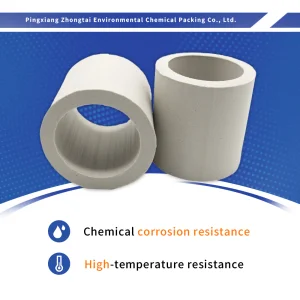
In southern wilayas (Ouargla, Adrar), artesian well waters exhibit elevated mineral salinities and temperatures up to 35°C. Far-Infrared Bacterial Houses and high-porosity sintered ceramic rings catalyze microbial respiration, dissipating total ammonia nitrogen (TAN) and nitrite without altering pH baselines.
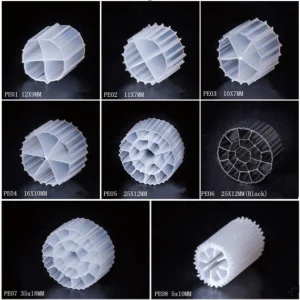
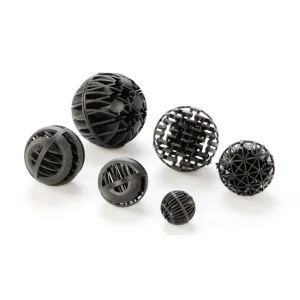
Coastal sea bass (Dicentrarchus labrax) and sea bream (Sparus aurata) hatcheries along the Algerian coastline utilize fluidized MBBR moving bed bioreactors. Virgin HDPE carriers maintain continuous self-cleaning hydrodynamic shear, preventing foulants and ensuring zero physical attrition under aggressive aeration.
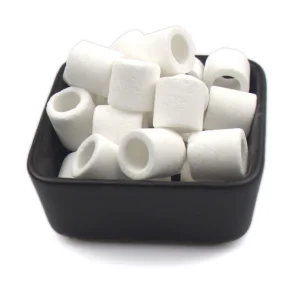
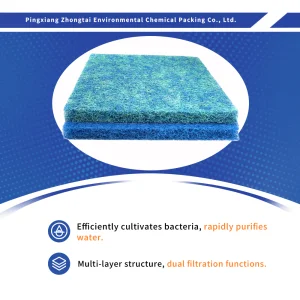
Metropolitan commercial facilities, corporate display installations, and public educational vivariums in Algiers utilize multi-stage canister and sump layouts. Staged bio-ceramic glass rings and mechanical filter mats deliver both ultra-fine particle capture and sustained de-nitrification within a compact structural footprint.
From simple inert media to micro-engineered bio-active substrates driving global water management.
The global filtration media sector is witnessing a transition from inert mechanical packing toward biochemical, surface-modified substrates. Worldwide, the biocarrier and aquarium media industry is propelled by strict effluent discharge standards and the rapid expansion of closed aquaculture installations. Advanced tunnel kilns operating between 1,200°C and 1,350°C permit precision control over internal microporous pore distributions (10 to 100 microns), the optimal volumetric diameter for nitrifying bacteria (Nitrosomonas and Nitrobacter) to thrive without experiencing anaerobic pore choking.
Algerian Integration Strategy: As Algerian agricultural frameworks integrate aquaculture wastewater with date palm and olive grove irrigation schemes, the demand for dual-action filter media—performing simultaneous solid-liquid separation and rapid biochemical nitrogen reduction—is on an upward trajectory. The deployment of far-infrared radiating mineral matrixes induces weak water-cluster polarization, optimizing biochemical dissolved oxygen transference across biological boundary layers.
Leveraging China's premier chemical ceramic manufacturing base to satisfy Algerian national orders on schedule.
Located in Jiangxi Province, our operations capitalize on rich local kaolin, feldspar, and technical cordierite reserves. Sourcing raw materials within a 30km radius protects bulk procurement from supply disruptions while ensuring consistent batch chemistry.
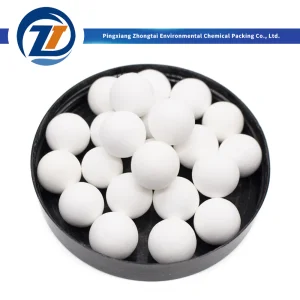
Equipped with high-capacity gas-fired tunnel kilns and automated extrusion presses, our production facilities process metric tons of porous sintered rings, bio balls, and bacterial blocks weekly under strict digital temperature controls.
Standardized maritime packaging in heavy-gauge woven bulk sacks, treated anti-crush corrugated boxes, and ISPM-15 heat-treated pallets ensures zero crushing damage during intercontinental ocean transport into the ports of Algiers, Oran, or Skikda.
Facilitating seamless customs clearance through thorough compliance with Banque d'Algérie and Algerian Customs regulations.
Importing industrial filtration media and plastic biocarriers into Algeria requires rigorous compliance with the Algerian Trade Ministry and banking protocols. We coordinate the full verification chain required for smooth clearance across Algerian ports of entry:
Comprehensive factory quality compliance certificates verifying zero hazardous substance leaching, critical for aquaculture and water-treatment applications.
Seamless processing of Letters of Credit (L/C) and Cash Against Documents (Remise Documentaire) strictly complying with Banque d'Algérie foreign trade directives.
Official Certificates of Origin, specialized packing declarations, and verified pallet phytosanitary certificates expedite customs processing at Skikda and Algiers.
Supplying commercial fish farmers, public aquariums, and industrial wastewater installations across all wilayas.
Specific answers regarding chemistry, operational longevity, customs, and freight management.
Connect with our technical engineering sales division to request comprehensive technical data sheets, wholesale container quotes, and free lab evaluation samples.
Send Inquiry Now