Engineering Grade Bio-Carriers & Filtration Substrates

Aquarium Filter Media Manufacturers & Factories for Netherlands

Precision-engineered biological, chemical, and mechanical filtration carriers custom-tailored for Dutch recirculating aquaculture systems (RAS), commercial aquascaping, and high-efficiency closed aquatic biomes.

Send Inquiry Now
Precision Filtration Media

High-Performance Media for Commercial Systems in the Netherlands

Engineered to deliver expansive specific surface areas (SSA), controlled hydrodynamic retention, and zero hazardous leaching across industrial RAS facilities and premium retail display tanks.

China Moving bed biofilm reactor (MBBR) Supplier for Netherlands

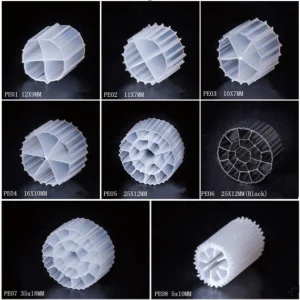
Netherlands Fluidized Bed MBBR Bio-Carrier Media

Explore Specifications

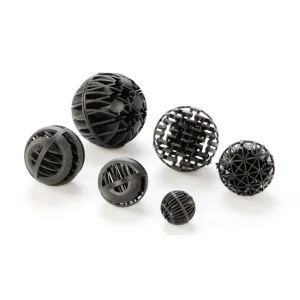
Aquarium Water filter media plastic bio ball for Netherlands

High-Flow Polypropylene Bio Ball for Wet/Dry Filters

Explore Specifications

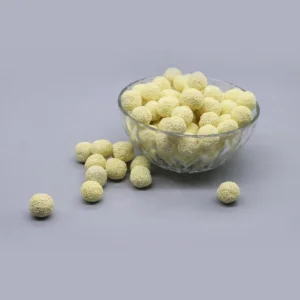
Fish tank biofilter far infrared bacterial house ball

Far-Infrared Nano Sintered Bio Ceramic House Sphere

Explore Specifications

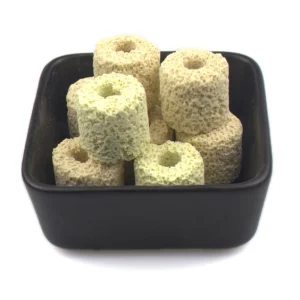
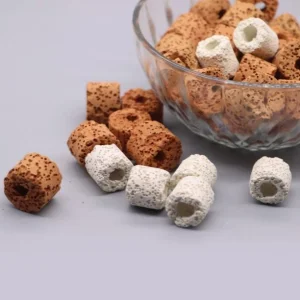
China Aquarium Filter Media Far Infrared Bacterial House

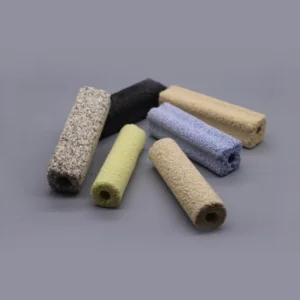
Extruded Far-Infrared Porous Ceramic Column Bacteria House

Explore Specifications

Regional Market Intelligence

Aquaculture & Aquarium Ecosystem in the Netherlands

Examining how high-density closed circuits, strict nitrogen discharge caps, and commercial live-holding systems shape biological media requirements across Dutch water facilities.

Dutch RAS Innovation Hubs

The Netherlands leads global recirculating aquaculture systems (RAS), farming high-value species like Yellowtail Kingfish (Zeeland) and African Catfish. Media demand emphasizes high total SSA (>1,200 m²/m³) and resilient biofilm colonization rates under zero-waste nitrogen recovery regimes.

Port of Rotterdam Logistics Gate

Rotterdam handles transshipments for European pet distributors, public aquaria, and marine wholesalers. Sourcing directly from certified Tier-1 manufacturers allows Dutch bulk importers to maintain high safety margins against strict EU REACH and heavy-metal leaching regulations.

Nitrogen & Phosphorus Constraints

Strict environmental regulations set by the Dutch Ministry of Agriculture, Nature and Food Quality demand near-zero nitrate discharge. Dutch filtration setups rely heavily on dual-zone biological carriers that support aerobic nitrification and deep-core anoxic denitrification within the same element.

Material Engineering

Comparative Performance Metrics: Advanced Bio-Carriers

Our porous ceramic and polymeric contact media are manufactured under tight tolerances to eliminate dead flow zones, minimize head pressure loss, and maximize biological conversion kinetics.

Media Configuration Material Formulation Specific Surface Area (SSA) Effective Interconnected Porosity Primary Hydraulic Application
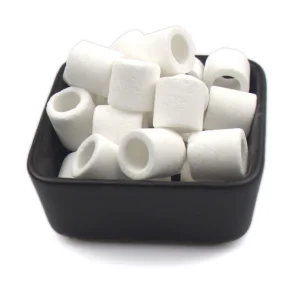
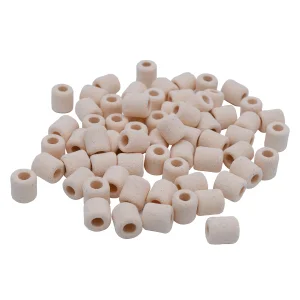
Breath Ceramic Bio Ring Ultra-pure quartz sand, kaolin clay, sintered at 1280°C 950 – 1,150 m²/m³ 54% open-pore gradient Canister filters, sumps, submersed multi-chamber biological beds
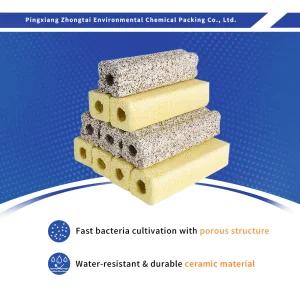
Far-Infrared Bacteria House Ceramic base infused with far-infrared emission minerals 1,300 – 1,650 m²/m³ 62% high-tortuosity macro-pore Commercial trickle towers, Bakki showers, Koi pond filtration
Fluidized Hydrodynamic MBBR 100% Virgin High-Density Polyethylene (HDPE) >850 m²/m³ (protected area) Flow-through radial fin configuration High-load fluidized biological reactors, municipal & industrial RAS
Ceramic Foam Sponge Filter Alumina (Al₂O₃) / Silicon Carbide composite 700 – 900 m²/m³ 10 – 45 PPI reticulated open cell High-velocity mechanical-biological polishing, molten & wastewater
Factory 4.0 Execution

Supply Chain Resilience & Clean Manufacturing

Combining the natural raw mineral advantage of Pingxiang's chemical ceramic cluster with automated gas-fired tunnel kilns and rigorous testing standards.

20+
Years of Industrial Ceramic & Mass Transfer Experience
1280°C
Continuous Monitored Sintering for Zero Leaching Stability
100%
Virgin Polymer Tracking with Batch-level Certificate of Analysis
<21 Days
Average Full Container Load (FCL) Turnaround to Rotterdam

Raw Material Purity & Safety Checks

Our ceramic substrates are produced from selected mineral clays free of harmful trace elements. Every batch undergoes ICP-MS (Inductively Coupled Plasma Mass Spectrometry) testing to ensure no arsenic, lead, or copper leaches into sensitive aquatic environments, meeting strict aquaculture water safety criteria.

Precision Pore Structure Engineering

Using polymer foaming agents and controlled burn-out additives during forming, we engineer specific pore diameter distributions between 10 µm and 120 µm. This size range allows Nitrosomonas and Nitrobacter bacteria to anchor without clogging the internal channels with excessive biofilm sheath.

Integration Scenarios

Commercial Application Scenarios in Northern Europe

From commercial closed-loop marine aquaculture down to industrial public aquaria displays, our media balances filtration efficiency with physical durability.

Ultra-High Density Commercial RAS

Large-scale pikeperch, eel, and shrimp RAS systems throughout the Gelderland and Overijssel provinces require dynamic media beds that run continuously under heavy organic loads without compacting or channeling.

Optimal Media: Virgin HDPE MBBR Carriers

Show Koi Ponds & Bakki Trickle Towers

The Dutch Koi keeper market demands durable ceramic media capable of handling massive water drops without pulverizing into fine dust that clouds water clarity or wears down pump impellers.

Optimal Media: Far-Infrared Porous Bacteria House

Centralized Retail Fish Holding Racks

Aquarium wholesale warehouses and pet megastores across Amsterdam and Utrecht rely on space-efficient centralized sumps with high nitrification capacity to keep bio-load spikes under control during shipment arrival days.

Optimal Media: Sintered Breath Ceramic Bio Rings

Direct Factory Sourcing for Dutch Importers

Request full technical datasheets, elemental analysis reports, and custom OEM private packaging configurations for container shipments direct to Rotterdam or Antwerp.

Send Inquiry Now
Technical FAQ

Frequently Asked Technical & Sourcing Inquiries

Detailed engineering and procurement answers for aquacultural engineers, purchasing directors, and wholesale importers.

Do your ceramic filter media affect water parameters like pH and general hardness (GH)?
Our ceramic media are sintered at temperatures between 1200°C and 1280°C to achieve full vitrification and phase stability. This process locks the minerals inside the ceramic matrix, resulting in neutral pH media that does not leech calcium or magnesium ions into water. This stability is critical for sensitive Dutch aquascaping and freshwater shrimp propagation, where soft water conditions (low TDS, low KH) must remain stable.
How do you guarantee your media meets European chemical safety standards?
All shipments destined for the Netherlands and wider EU markets come with formal material safety testing, including heavy metal extraction analysis (Lead, Cadmium, Arsenic, Mercury) and compliance certificates under EU REACH regulation (EC) No 1907/2006. Our plastic bio-balls and MBBR media are molded exclusively with food-contact grade, 100% virgin polypropylene and HDPE, avoiding regrind contamination.
What are the minimum order quantities (MOQ) and packaging options for private label (OEM)?
We provide full turn-key OEM and white-label manufacturing services for European brand distributors. Options include custom-printed retail packaging (500ml, 1L, 5L boxes or zipper bags), bulk woven sacks (20kg / 500kg / 1000kg supersacks), and customized mesh bags. Typical MOQs for custom-branded retail boxes start at 2,000 units, while standardized industrial bulk packaging can be delivered starting from single pallets up to full container loads (20GP / 40HQ).
What is the physical degradation rate of sintered porous ceramic house media in high-flow setups?
Our far-infrared bacteria house blocks and rings maintain compressive crush strengths between 3.5 MPa and 5.0 MPa while keeping high internal porosity (>55%). In high-volume trickle filtration towers and continuous wet/dry trickling cascades, the structural wear loss remains under 1.5% per year, which prevents powdering, channel clogging, and water turbidity.
How does moving bed biofilm reactor (MBBR) carrier geometry improve biological nitrification rates?
Our MBBR carriers feature internal ribbed fin structures that protect developing nitrifying biofilms from abrasive shearing forces as carriers collide in fluidized chambers. The engineered hydrodynamic profile keeps media suspended throughout the entire water column under moderate aeration pressure, which improves contact efficiency between ammonium ions, dissolved oxygen, and functional bacteria.
Comprehensive Catalog

High-Efficiency Biological & Industrial Contact Media

Browse our complete line of ceramic rings, porous monoliths, open-cell reticulated pads, and metal packing designs engineered for demanding process duties.

China Aquarium Fish Farm water filter Breath ceramic bio ring Manufacturer

Microporous Breath Ceramic Bio Ring Carrier

Explore Specifications

China Aquarium accessories filter Far-infrared Bacteria House

Far-Infrared Mineralized Bacteria House Rod

Explore Specifications

China Aquarium Ceramic Filter Media Ceramic Glass Ring

Sintered Quartz Ceramic Glass Ring for Sumps

Explore Specifications

Aquarium Accessories Filter Fish Tank Bio Filter Media Glass Ceramic Bio Ring

Porous Glass Ceramic Biological Filter Element

Explore Specifications

Far-infrared Nitrifying Bacteria House for Bakki Shower

High-Flow Bakki Shower Nitrifying House Column

Explore Specifications

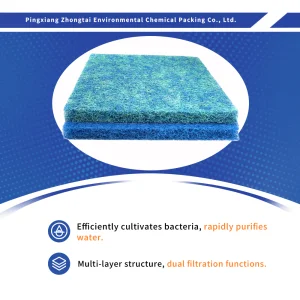
Multi-Layer Blue Green Aquarium Biological Filter Mat

Reticulated Multi-Layer Dual-Density Bio Matting

Explore Specifications

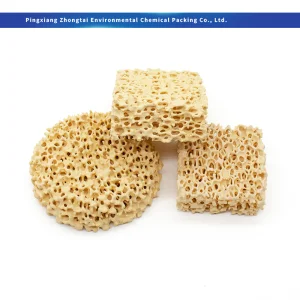
High Porosity Ceramic Foam Filter Alumina SiC Zirconia

High Porosity Open-Cell Ceramic Foam Substrate

Explore Specifications

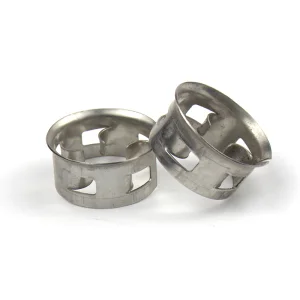
Wholesale Metal Cascade Mini Ring Tower Packing

Low-Pressure Drop Cascade Mini Ring Packing

Explore Specifications