Metal Pall Ring Packing is a common choice for gas–liquid contact in absorption, stripping, and distillation columns. Its open structure gives process fluids multiple contact paths while helping limit pressure drop. Yet performance depends on more than ring shape. Material grade, dimensions, wall thickness, surface finish, and installation quality all affect operation.
The U.S. Department of Energy’s Industrial Decarbonization Roadmap (2022) reports that industry accounts for about 30% of U.S. energy-related carbon emissions. That figure does not measure packing performance, but it highlights why process efficiency deserves careful attention. The GPSA Engineering Data Book also provides established guidance for gas-processing design and equipment selection. Useful context.
This guide compares leading Metal Pall Ring Packing manufacturers worldwide through practical criteria: published specifications, material traceability, quality controls, production capacity, and technical support. Readers should check test conditions before comparing capacity or pressure-drop claims; vendor figures may not use the same basis. A polished catalog is not proof of field performance. And a low purchase price can hide uneven dimensions or limited inspection records. Those details matter when rings are loaded into a real tower, where access is difficult and shutdowns are costly. Manufacturer rankings are never perfect. This overview therefore treats available evidence cautiously and encourages buyers to verify claims against operating conditions, independent references, and project requirements.
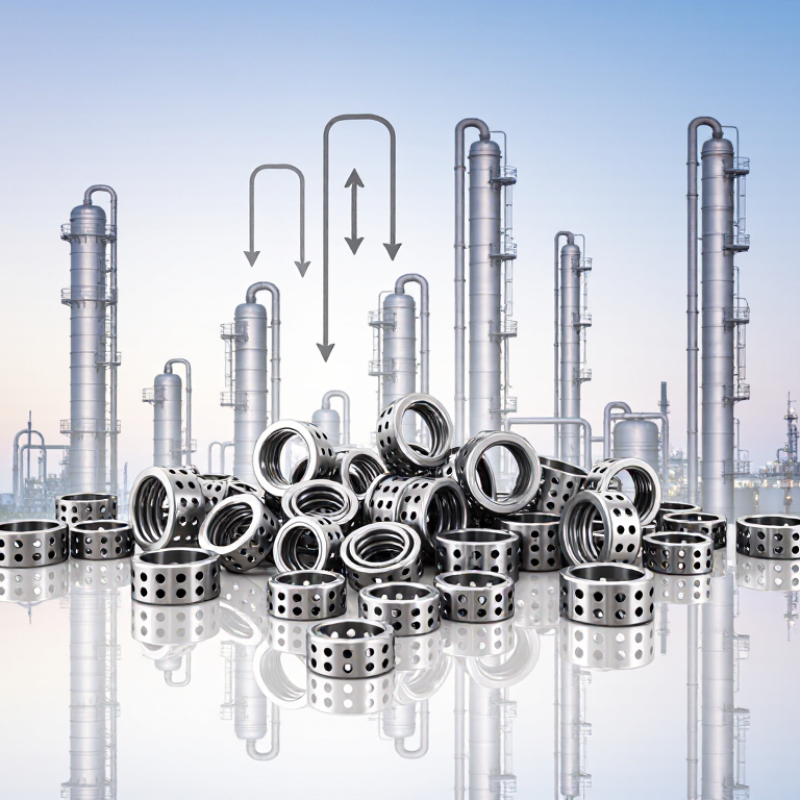
Metal Pall Ring Packing is a random packing element used inside columns for gas–liquid contact. Its shape is more open than a simple metal cylinder. A rolled sheet forms the body, while cut and bent windows create inward-facing tabs. These openings let liquid spread across the surfaces and give vapor more paths through the bed. More contact area matters. So does keeping the flow passages open.
Design choices depend on the column and the process. Engineers consider ring diameter, sheet thickness, alloy, and the expected liquid and vapor rates. Larger openings can reduce resistance to flow, but they may offer less surface area. Thicker metal can withstand handling and operating loads, yet adds weight and may affect cost. Stainless steel is often selected for corrosion resistance, though the right grade depends on the actual fluid and temperature. Assumptions should be checked against operating data.
Manufacturing quality affects performance. Evenly formed tabs and smooth edges help rings pack consistently and avoid unnecessary blockage. A visual inspection can reveal crushed pieces, sharp burrs, or uneven dimensions. Still, a clean sample does not guarantee a uniform packed bed; loading method and column internals matter too. That detail is easy to underestimate. Before selection, compare published packing data with the column’s design conditions, then verify the choice with a qualified process engineer.
Metal pall rings improve mass transfer in packed columns by encouraging close contact between rising gas and descending liquid. Their open windows and inward-facing tabs disturb flowing phases, helping renew liquid films across the packing surface. Properly selected rings can support efficient transfer without excessive pressure drop. Small details matter.
In an absorber, liquid should spread across the bed instead of following a few narrow channels. Pall rings’ open geometry can help limit stagnant zones, but it cannot correct a poorly designed distributor. Metal construction suits many demanding process conditions; still, alloy compatibility, operating temperature, and fluid properties need checking. The benefit is not automatic. Field performance can vary, and designers should verify it against actual operating data.
Tips: Match ring size to column diameter and operating rates. Check bed leveling and support grids before startup. During shutdowns, inspect for fouling or deformation, and compare pressure drop with baseline readings. More surface area does not always mean better separation; flooding or uneven liquid distribution can erase the gain.
The table below summarizes commonly used metal Pall Ring sizes, construction features, and their effects on packed-column operation. Nominal sizes and detailed dimensions vary by design; consult the supplier’s drawings and performance data for final selection.
| Nominal Ring Size | Typical Construction | Common Metal Options | Mass-Transfer Contribution | Typical Selection Considerations |
|---|---|---|---|---|
| 16 mm | Small perforated cylindrical element with inward-bent tabs | 304 stainless steel; 316L stainless steel | Small elements provide a relatively high packing surface area per unit volume, supporting gas–liquid contact. | Consider where column diameter and internals allow good liquid distribution; smaller packing can increase pressure drop and plugging sensitivity. |
| 25 mm | Perforated metal wall with formed internal projections | Carbon steel; 304 stainless steel; 316L stainless steel | Openings and tabs help redistribute liquid and promote mixing between the gas and liquid phases. | Evaluate pressure drop, liquid load, fouling risk, and column diameter alongside the required separation. |
| 38 mm | Open cylindrical packing with perforations and inward-facing tabs | 304 stainless steel; 316L stainless steel; carbon steel | The open structure exposes wetted surfaces and encourages repeated phase contact through the bed. | A common intermediate size to assess when balancing contacting area, capacity, and hydraulic resistance. |
| 50 mm | Larger perforated ring geometry with formed internal tabs | Carbon steel; 304 stainless steel; 316L stainless steel; duplex stainless steel | The open passages support vapor flow, while the ring surfaces and tabs help spread liquid within the packing bed. | May be considered for larger columns or higher-capacity duties; confirm separation efficiency using application-specific data. |
| 76 mm | Large open metal ring with perforated sides and internal projections | Carbon steel; stainless steel; duplex stainless steel, subject to service conditions | Large flow passages can support vapor capacity; surface wetting and liquid distribution remain important to mass transfer. | Check column diameter, liquid distribution, bed depth, and required separation because larger packing may provide less surface area per unit volume. |
Selection note: Pall Ring performance is not determined by nominal size alone. Compare supplier-specific dimensions, material specifications, pressure-drop and capacity data, liquid-distribution requirements, and corrosion resistance for the intended service.
When evaluating metal Pall ring packing manufacturers, start with the conditions inside your column. Share the operating temperature, pressure, fluid composition, and expected liquid and vapor loads. A ring suited to a clean water system may perform poorly in a corrosive process. Details matter.
Ask for the alloy grade, ring dimensions, wall thickness, and dimensional tolerances. These affect corrosion resistance, bed uniformity, and pressure drop. Request inspection records or representative material documentation, not just a product brochure. Compare sample rings for sharp edges, uneven openings, and inconsistent shapes. Small differences can complicate installation. They may also affect performance.
Manufacturing experience is useful when it includes relevant application examples and clear technical answers. Ask how batches are checked and whether the supplier can trace material and production records to an order. Request performance data for comparable operating conditions, while treating estimates as estimates. No data sheet captures every column condition. That is easy to overlook. Packaging and delivery planning matter, too: dented or mixed-size rings can create avoidable work on site. A capable manufacturer should discuss these practical limits openly, including where its recommendations rely on assumptions.
Suggested weighting for a procurement evaluation (total: 100%). Adjust the weights to match your process requirements.
These are example evaluation weights, not survey results or ratings of specific manufacturers. Verify material compatibility, dimensions, mechanical properties, and quality documentation against your operating conditions and applicable specifications.
Metal Pall ring packing manufacturers around the world serve distillation, absorption, and stripping operations. Their products may look simple: thin metal strips formed into open cylinders, with side windows and inward tabs. Those details matter. They help liquid spread across the packing bed while leaving room for vapor to rise. Leading manufacturers typically offer several metal grades, dimensions, and sheet thicknesses to suit different process conditions. A drawing alone is not enough; buyers should check material certificates, dimensional tolerances, and how rings are packed for shipment.
Manufacturing capabilities vary by supplier and facility. Some can produce custom sizes or small trial batches, while others focus on consistent volume production. Ask how each batch is inspected, whether samples are available, and what records accompany an order. A useful comparison includes ring diameter, surface finish, alloy, packing density, and expected operating temperature. Fit matters. Rings that arrive bent or vary noticeably in size can complicate loading and affect bed consistency. Specifications can look perfect on paper, yet real equipment may reveal a mismatch; that is worth admitting early. Clear communication about process data and inspection methods helps engineers judge suppliers on evidence, not broad claims of global leadership.
Metal Pall ring packing is used in absorption, stripping, and distillation columns where gas and liquid must contact efficiently. Its openings allow fluid to pass through the bed, while internal tabs help spread liquid across the packing surface. In a plant, this can mean steadier operation when feed rates change. Small details matter.
Specifications should match the column, not just a catalog table. Compare ring diameter, material, wall thickness, and packing factor, then check pressure drop and capacity at the expected flow rates. Stainless steel is common, but alloy choice depends on temperature and process-fluid corrosion. Plastic or carbon steel may suit other conditions. Ask manufacturers for current dimensional tolerances and material documentation; nominal size alone is not enough.
Selection also depends on column diameter, liquid distribution, fouling risk, and whether the packing must be installed in an existing vessel. Larger rings often offer higher capacity, but may reduce separation efficiency at low liquid loads. That trade-off is easy to overlook. Compare datasheets using the same operating assumptions, and confirm that support plates and distributors suit the selected bed. A careful calculation can still miss poor liquid distribution, so operating history or a pilot test can add useful evidence. This is where selection gets less tidy.
It is a random packing element used inside columns for gas–liquid contact. Its open metal body has cut windows and inward-facing tabs.
The openings help liquid spread over metal surfaces and give vapor paths through the bed. More surface area matters, but open flow passages matter too.
Compare ring diameter, sheet thickness, alloy, and expected liquid and vapor rates. Larger openings may reduce flow resistance but provide less surface area.
Match the alloy grade to the actual fluid and operating temperature. Stainless steel is often chosen for corrosion resistance, but the grade still needs checking.
Look for crushed rings, sharp burrs, uneven openings, and inconsistent dimensions. A clean sample is useful, but it cannot prove the whole bed will be uniform.
Provide temperature, pressure, fluid composition, and expected liquid and vapor loads. A ring that suits clean water may not suit a corrosive process.
Request alloy details, dimensional tolerances, inspection records, and material documentation. Samples can reveal rough edges or uneven shapes. Small differences matter.
Bent or mixed-size rings can make column loading harder and affect bed consistency. The drawing may look perfect; the delivered rings may not.
Compare it with the column’s design conditions, then verify the choice with a qualified process engineer. Estimates remain estimates. That is easy to forget.
This article explains how Metal Pall Ring Packing is designed to provide an open, efficient structure for packed columns. Its windows and internal features help distribute liquid and gas across the packing surface, supporting effective mass transfer while balancing capacity, pressure drop, and resistance to fouling. The article also outlines how to assess manufacturers by considering production consistency, material options, dimensional accuracy, technical support, and quality-control practices.
It surveys the types of suppliers operating worldwide without focusing on individual brands, then reviews common applications and practical selection factors. These include ring size, metal grade, operating temperature, corrosion exposure, column dimensions, and process requirements. By matching packing specifications to the intended service and confirming compatibility with the column design, users can make a more informed choice for reliable separation performance.

