Choosing a Pvc Pall Ring is not simply a matter of selecting the lowest price or matching a familiar size. In a packed column, ring dimensions, wall thickness, and open area can affect liquid distribution, gas flow, and pressure drop. A small mismatch may lead to uneven wetting or higher operating costs. Small details matter.
PVC pall rings are used in many gas–liquid separation and mass-transfer applications, but suitability depends on the process. Check the fluid’s chemical compatibility with the material, along with operating temperature and expected mechanical loads. Then compare ring size with column diameter, packing depth, and the installation method. These checks help narrow the options, but they do not replace application-specific engineering.
Supplier data can clarify dimensions, material grade, and performance estimates. Still, a datasheet cannot answer every site-specific question. Ask how the figures were measured, and confirm that the proposed grade matches actual operating conditions. Where uncertainty remains, request technical guidance or evaluate a sample before making a large purchase. Measure carefully. The right choice balances performance, durability, ease of installation, and cost—not one specification in isolation. The seven tips below offer a practical way to assess these factors and spot assumptions worth revisiting before ordering.
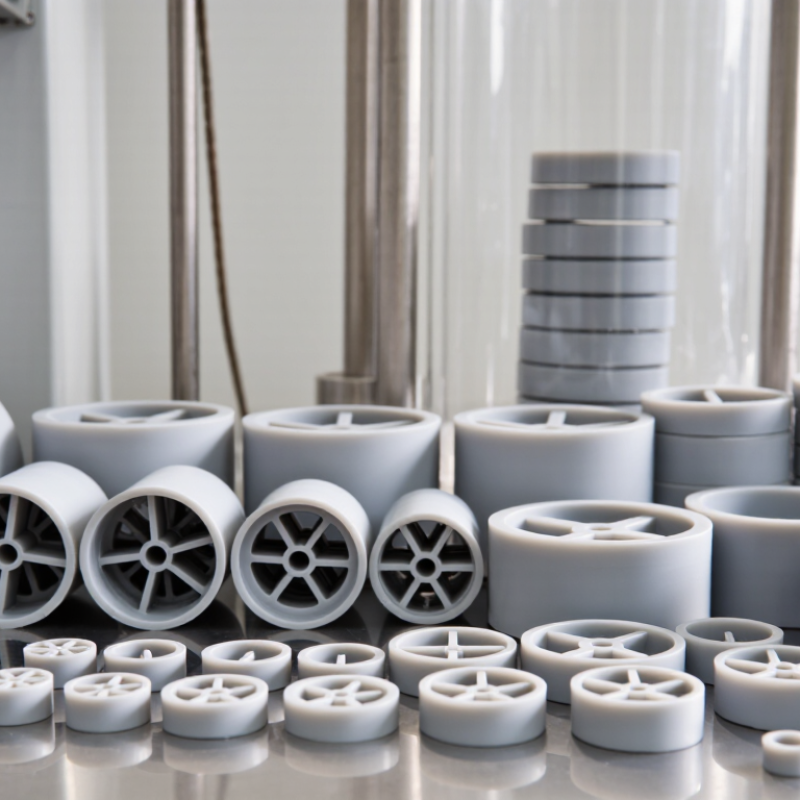
PVC Pall Rings are hollow, cylindrical pieces with open windows and internal ribs. These features distinguish them from simple ring packing. The openings let vapor and liquid move through the bed, while the ribs help spread liquid across the packing surface. In a clear sample, you can see light through several windows. That open structure matters. It can support good mass transfer while limiting resistance to flow, though actual performance depends on tower design and operating conditions.
Tip: Check the ring dimensions and wall thickness against the column and support grid. A ring that is too large may leave uneven gaps; one that is too small can increase pressure drop. Then review the PVC grade’s temperature and chemical compatibility. PVC is not suitable for every process fluid or operating temperature. Do not rely on the material name alone.
Tip: Compare the packing’s open area, weight, and stated surface area, but treat figures as selection inputs, not guarantees. Wetting, liquid distribution, and fouling can change performance in service. A common mistake is choosing by price or nominal size alone. It sounds efficient, but it can miss poor liquid spread or an unsuitable temperature limit. Ask for test data or documented specifications when available, and check that installation will not crush or deform the rings. Small details matter.
| Tip | Selection Dimension | Relevant Data or Feature | How to Apply It |
|---|---|---|---|
| 1. Match ring size to the column | Nominal ring diameter | Common nominal diameters include approximately 16, 25, 38, 50, and 76 mm. These are widely used size categories; exact dimensions vary by design. | Smaller rings generally provide more surface area per unit volume but create greater resistance to gas flow. Check column diameter and operating rates before selecting a size. |
| 2. Examine the Pall ring structure | Openings and inward-facing tabs | Pall rings have openings in the cylindrical wall and internal tabs. This open geometry allows liquid and gas to pass through the packing and helps spread liquid across wetted surfaces. | Look for consistent openings and intact tabs. Deformed or blocked features can interfere with packing distribution and flow. |
| 3. Consider surface area and void space together | Mass-transfer area and open volume | More available wetted surface can support mass transfer, while open space between packing elements helps gas and liquid flow. Actual values depend on ring size and geometry. | Compare published surface-area and void-fraction data for the exact design. Do not select on surface area alone; confirm pressure drop and capacity requirements too. |
| 4. Confirm the temperature limit | Process and cleaning temperatures | PVC is a thermoplastic, so its stiffness and load capacity decrease as temperature rises. Many rigid PVC applications are limited to temperatures around 60°C, but the allowable value depends on grade, load, and exposure time. | Use the packing supplier’s temperature rating for the specific PVC formulation. Include start-up, cleaning, and upset conditions, not only normal operating temperature. |
| 5. Check chemical compatibility | Liquids, gases, and cleaning agents | PVC is often used in wet processes involving water and many dilute acids or alkalis, but compatibility varies with chemical concentration, temperature, and exposure conditions. | Check a chemical-resistance chart for every process and cleaning chemical. Do not assume compatibility with all solvents, oxidizers, or concentrated chemicals. |
| 6. Evaluate pressure drop and flooding risk | Gas and liquid loading | The open structure of Pall rings can provide lower flow resistance than simpler closed-wall ring geometries of comparable size, but pressure drop and capacity depend on ring dimensions, liquid distribution, and operating rates. | Use packing-specific hydraulic data or a column calculation at the intended gas and liquid loads. Check for adequate distribution and operating margin below flooding. |
| 7. Verify mechanical strength and installation needs | Bulk handling, support, and bed depth | PVC packing is relatively lightweight compared with many ceramic packings, but individual rings can still deform or be damaged by excessive heat, compression, or rough handling. | Confirm the packing’s loading limits, support-grid suitability, and installation method. For deep beds or high loads, check that the support and retaining arrangements are designed for the application. |
Note: Dimensions, operating limits, and hydraulic performance are design- and grade-dependent. Treat the values above as general selection guidance and verify them against data for the specific packing and process conditions.
They have open windows and internal ribs. The openings let vapor and liquid pass, while ribs help spread liquid. You can see light through a clear sample.
A screening rule is to keep the column diameter at least eight to ten times the ring’s nominal diameter. Check actual dimensions, since nominal sizes can vary. It is only a starting point.
No. They offer more surface area but can increase flow resistance and plug more easily when feed contains solids. The trade-off is easy to underestimate.
Check gas and liquid rates, expected pressure drop, flooding limits, temperature, and liquid chemistry. Confirm the PVC grade suits the actual process conditions.
Yes. Poor liquid distribution can leave dry patches, even with a suitable size. Compare the packing with the distributor layout and operating data.
Ask for technical data and quality records tied to the production lot. Consistent ring dimensions matter. A general product sheet may not tell the whole story.
Check the support grid and available column space before loading. Follow the supplier’s loading guidance; dropping rings from height may damage them or create an uneven bed.
Look for cracking, distortion, discoloration, or stubborn deposits. After startup, compare pressure drop and flow distribution with expectations. Recheck the choice; plans can miss things.
Choosing the right Pvc Pall Ring starts with understanding how its open, structured design supports gas and liquid contact while allowing flow through a packed column. Select a ring size that suits the column diameter and operating conditions, since the balance between effective contact, capacity, and flow depends on both. Also check the PVC grade, chemical compatibility, and temperature limits to ensure the material is appropriate for the intended process.
Compare packing density, void fraction, and pressure drop when evaluating performance, as these factors affect column efficiency and operating demands. Before making a decision, assess supplier quality, confirm that installation requirements fit the system, and consider the expected service life. Reviewing these points together helps you choose packing that meets process needs and supports dependable, practical operation.

