Top 10 Pall Rings Price Guide for Global Buyers?

Time:2026-10-25 Author:Henry
0%

Pall Rings Price rarely means one fixed number. It reflects material, diameter, packing factor, order volume, and delivery terms. A 25 mm polypropylene ring may cost very differently from a 50 mm stainless-steel ring. Resin grade matters too. Temperature resistance can change the purchasing decision overnight.

This guide compares ten Pall ring price references for global buyers. It considers EXW, FOB, and delivered quotations where available. Freight, tariffs, inspection, and packaging can reshape the final cost. The U.S. Environmental Protection Agency’s Air Pollution Control Cost Manual identifies packed towers as established equipment for gas absorption and scrubbing. Its cost guidance supports evaluating packing performance beside purchase price. Sulzer and Koch-Glitsch technical literature also shows why surface area, voidage, pressure drop, and liquid distribution deserve attention.

Market demand adds another layer. The International Energy Agency’s Oil 2024 report describes continued investment and changing flows across global refining markets. The IEA’s World Energy Investment 2024 report also highlights ongoing spending on energy infrastructure. These trends can influence resin, metal, freight, and manufacturing costs. Still, global reports rarely publish a verified Pall ring price. That gap matters. A supplier quotation may look attractive while excluding transport or quality documentation.

The figures in this guide should support comparison, not replace engineering review. Check dimensions against the tower design. Confirm chemical compatibility, operating temperature, and certification needs. A cheaper ring can create higher pressure drop or earlier replacement. We may miss regional discounts. Prices move quickly. Always request a current quotation, material certificate, and sample before approving a large order.
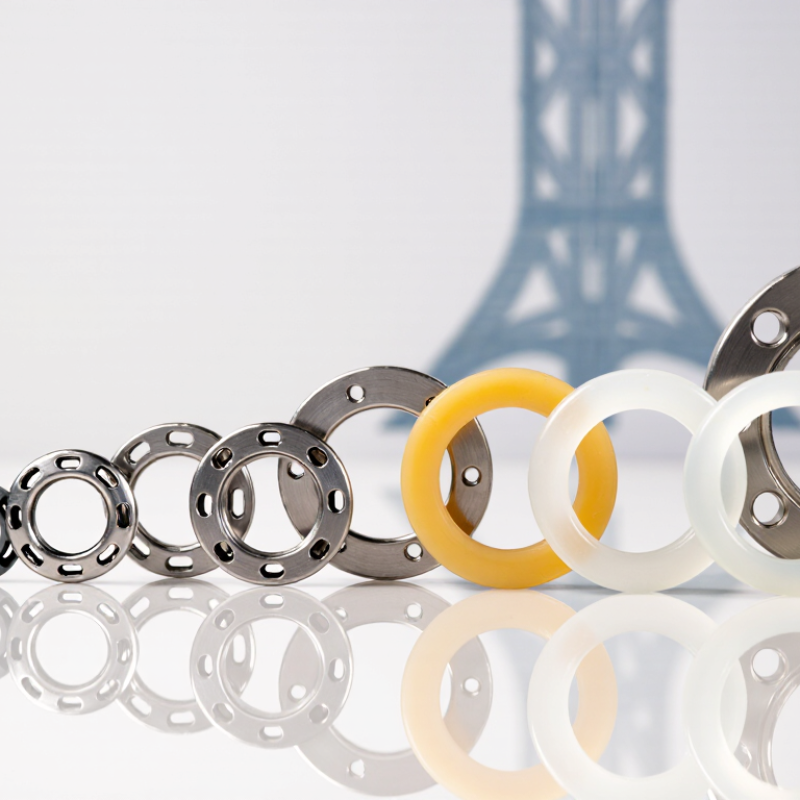
Top 10 Pall Rings Price Guide for Global Buyers?

Pall Rings Explained: Function, Materials, and Common Sizes

Pall rings are random packing elements used inside absorption, stripping, and scrubbing towers. Their open shape supports gas flow while liquid spreads across a broad contact surface. This contact improves mass transfer between the two phases. Properly selected rings can also reduce pressure drop compared with denser packing designs.

Common materials include polypropylene, PVC, ceramic, and metal. Polypropylene suits many moderate-temperature chemical services and offers useful corrosion resistance. Ceramic performs well at higher temperatures, but it can be brittle during loading. Metal provides strength and thermal stability, although its price may rise with alloy selection. The operating temperature, fluid chemistry, and cleaning method should guide the material choice.

Typical sizes include 25, 38, 50, and 76 millimeters. Smaller rings provide more surface area, but they may increase pressure drop and clogging risk. Larger rings improve airflow, yet they can reduce liquid distribution efficiency in narrow towers. Price quotes should show material grade, ring size, bulk density, packaging, and delivery terms. A low unit price may hide higher freight costs or weaker mechanical strength. Field checks often reveal damaged edges after careless handling. A neat spreadsheet can still mislead. Even experienced buyers should compare pressure-drop data with the tower’s actual diameter, liquid load, and maintenance history.

How Pall Ring Prices Are Determined in Global Markets

Top 10 Pall Rings Price Guide for Global Buyers

Pall ring prices are shaped by more than the quoted unit cost. Material grade is a major driver. Plastic rings usually cost less than metal rings, while ceramic options may serve demanding process conditions. Size, wall thickness, and surface design also change the final price. Small rings often require tighter production control. That detail can increase manufacturing time.

Order volume strongly affects global pricing. A buyer requesting 500 pieces may receive a very different offer from one requesting 50,000. Packaging matters too. A dense carton can reduce freight space, but poor protection may cause deformation during transport. Regional shipping rates, insurance, import duties, and currency changes can quickly alter the landed cost. Ocean freight is usually slower. Air freight is rarely economical for bulky packing materials.

Payment terms and delivery schedules influence supplier risk. Inspection reports, dimensional checks, and material certificates may add a small charge, yet they support reliable purchasing decisions. Quotes should be compared using the same quantity, delivery term, size, and material specification. Otherwise, the lowest offer may not be genuinely cheaper. A price guide is helpful, but never exact. Market data can become outdated within weeks. One practical weakness remains: buyers sometimes focus on price and overlook pressure drop, packing density, or replacement frequency. That mistake can cost more than the original saving.

Top 10 Pall Rings Price Guide for Global Buyers

How Pall Ring Prices Are Determined in Global Markets

The chart shows indicative bulk-market midpoint prices for standard polypropylene Pall Rings by nominal size, expressed in USD per cubic metre on an FOB-equivalent basis. Larger sizes generally require more material per unit of packing volume and may increase manufacturing, packaging, and freight costs. Final prices also vary according to polymer grade, order quantity, production tolerances, destination, energy costs, and international freight rates.

Market benchmark figures for comparison purposes only; actual supplier quotations may differ by specification, quantity, payment terms, and delivery location.

Top 10 Pall Ring Price Ranges by Material and Specification

Top 10 Pall Ring Price Ranges by Material and Specification

For global buyers, Pall ring prices usually depend on material, size, packing density, and order volume. These figures are practical bulk estimates in US dollars, not fixed quotations. Polypropylene rings cost about $1.80–$3.20 per kilogram for 16 mm sizes. Polypropylene 25 mm rings usually range from $1.70–$3.00 per kilogram. Larger 50 mm polypropylene rings may reach $2.00–$3.60 per kilogram. Polyvinyl chloride rings often cost $2.20–$4.20 per kilogram. Chlorinated PVC versions commonly range from $3.80–$6.50 per kilogram.

Ceramic Pall rings generally cost $1.40–$2.80 per kilogram for 25 mm specifications. Their price can rise to $2.00–$3.60 for 50 mm sizes. Carbon steel rings may range from $2.80–$5.00 per kilogram, depending on coating and wall thickness. Stainless steel 304 rings typically cost $5.50–$9.50 per kilogram. Stainless steel 316 rings often reach $7.50–$13.00 per kilogram. High-alloy metal rings can exceed $14.00 per kilogram. Prices change quickly.

A buyer should compare price with void ratio, compressive strength, and chemical resistance. A low-cost ring can deform during loading. That creates uneven gas flow and higher replacement costs. I recommend requesting sample dimensions, weight records, and a recent inspection report. Freight, moisture protection, and export packing may add 8–20 percent. These estimates still need checking against current resin, metal, energy, and shipping costs.

What Global Buyers Should Verify Before Comparing Quotes

Top 10 Pall Rings Price Guide for Global Buyers

Before comparing pall ring quotes, verify the specification line by line. Ask for nominal size, material grade, wall thickness, packing factor, surface treatment, and allowable tolerance. A 50 mm ring is not automatically equivalent to another 50 mm ring. Small differences can change pressure drop, wetting, and replacement frequency. Confirm whether the quoted quantity uses pieces, cubic meters, or packed volume. This mistake is surprisingly common.

Material pricing also needs context. The World Steel Association reported about 1.89 billion tonnes of crude steel production in 2023. That figure reflects broad supply conditions, not your final packing cost. Request the metal certificate, production date, and country of origin. For plastic rings, verify resin type, temperature resistance, and density. Recycled content may reduce cost, but it can alter consistency. Sometimes, the cheaper quote is simply incomplete.

Freight terms deserve equal attention. UNCTAD’s Review of Maritime Transport 2023 reported continued volatility in shipping conditions and operating costs. Compare Incoterms, port charges, insurance, export packing, and delivery time separately. Ask whether samples, inspection, and replacement pieces are included. A practical buying check is simple: calculate cost per cubic meter installed, not only unit price. I would also request a loading diagram. It may reveal a mismatch between quoted volume and actual tower requirements. Don’t skip that step.

How Shipping, Duties, and Supplier Terms Affect Final Cost

Top 10 Pall Rings Price Guide for Global Buyers

A pall ring quote rarely equals the landed cost. Shipping, duties, insurance, and supplier terms can change the final figure sharply. UNCTAD reports that maritime transport carries over 80% of global merchandise trade by volume. Freight delays therefore matter, even for lightweight packing materials. A 1,000-kilogram order may occupy valuable pallet space because rings cannot be compressed safely. Ocean freight may lower the unit cost, while air freight can multiply it.

Duties depend on material, ring size, origin, and customs classification. Plastic, ceramic, and metal pall rings may receive different tariff treatment. Confirm the HS code with a qualified customs specialist before ordering. Incoterms also matter. Under EXW, the buyer usually manages inland pickup and export handling. Under DDP, the seller includes more costs, but the quote may hide a larger risk premium. The OECD Trade Facilitation Indicators estimate that stronger border procedures could reduce trade costs by 14.3% on average. That is significant. It is not guaranteed for every shipment.

Tips: Request FOB, CIF, and DDP pricing on the same quantity. Ask for carton dimensions, gross weight, loading port, duty assumptions, and delivery validity. Compare landed cost per cubic meter, not only price per piece. I once treated a low unit quote as the best option. Port charges changed that judgment. Supplier payment terms can also affect cash flow, especially with deposits and balance payments before inspection. Get everything in writing.

FAQS

What mainly determines the global price of pall rings?

Material, size, wall thickness, surface design, order volume, and production control affect the quoted price. Small rings may require tighter manufacturing control. That can increase labor time.

Are plastic pall rings always cheaper than metal or ceramic options?

Plastic rings usually cost less, but the material must suit temperature and process conditions. Ceramic options may support demanding environments. The cheapest material is not always the best value.

How does order quantity change the price?

A 500-piece order may receive a very different offer from a 50,000-piece order. Larger quantities can reduce production and packing costs. Confirm whether quantity means pieces, cubic meters, or packed volume.

Which specifications should buyers verify before comparing quotes?

Check nominal size, material grade, wall thickness, packing factor, surface treatment, and dimensional tolerance. A 50 mm ring may differ significantly from another 50 mm ring. Small differences can affect pressure drop and replacement frequency.

Why is the unit price different from the final landed cost?

Landed cost includes freight, insurance, duties, port charges, and inland delivery. A dense carton may reduce freight space. Poor protection can cause deformation during transport. That saving may disappear quickly.

Which shipping details should be included in a quotation?

Request carton dimensions, gross weight, loading port, delivery time, insurance terms, and export-packing details. Ocean freight is usually slower but more economical. Air freight can become expensive for bulky packing materials.

How can buyers compare different delivery terms fairly?

Request comparable EXW, FOB, CIF, and DDP offers for the same quantity and specification. Ask which duties and port charges are included. A low unit quote may hide major extra costs.

Should inspection and certificates be included in the buying decision?

Yes. Request dimensional checks, material certificates, inspection reports, and production dates. These documents may add a small charge. They can prevent costly specification mistakes later. I would not skip them.

What is a better way to measure value than price per piece?

Calculate landed cost per cubic meter installed. Also review pressure drop, packing density, replacement frequency, and loading requirements. Ask for a loading diagram. It may expose a mismatch between quoted volume and tower needs.

Conclusion

This guide provides global buyers with a practical overview of Pall Rings, including their function in gas and liquid mass transfer, commonly used materials, and standard size options. It explains how Pall Rings Price is influenced by material grade, dimensions, packing density, production quality, order volume, and supplier capacity. The guide also compares typical price ranges across different specifications, helping purchasers understand why similar-looking products may receive different quotations.

Before selecting a supplier, buyers should verify technical specifications, material certificates, tolerances, packaging, quality inspection procedures, and production lead times. The final purchasing cost may also change significantly after adding freight, insurance, import duties, taxes, customs processing, and payment terms. By evaluating both the quoted unit price and the complete delivered cost, buyers can make more accurate comparisons, reduce unexpected expenses, and choose Pall Rings that provide reliable performance and suitable value for their intended application.


Henry

Henry

Henry is a dedicated marketing professional with a profound expertise in the company's offerings. With years of experience in the industry, he possesses an impressive understanding of the market dynamics and consumer behaviors that drive success. Henry is committed to sharing his insights through......