What Are Pall Rings Used For?

Time:2026-10-30 Author:Sienna
0%

Pall Rings Use is easiest to understand inside a working column: gas rises through the packing while liquid trickles over its surfaces. This contact supports mass transfer in distillation, absorption, stripping, and gas scrubbing. Pall rings are randomly packed elements with openings that let vapor and liquid move through the bed. Their shape can provide substantial contact area while limiting resistance to flow. Small details matter. A poorly distributed liquid can leave dry zones, even when the packing itself is well chosen.

The U.S. Environmental Protection Agency’s Packed-Bed/Packed-Tower Scrubber fact sheet (EPA-452/F-03-015) describes packed towers as gas–liquid contactors and notes that performance depends on operating and design conditions. In practice, engineers consider liquid distribution, gas velocity, pressure drop, material compatibility, and fouling risk—not just surface area. Henry Z. Kister, a recognized distillation authority, discusses packed-column design in his technical work. A fair paraphrase of his guidance is: “Column performance depends on the whole system, not the packing alone.” That is easy to overlook. A Pall ring cannot compensate for poor column design or unsuitable operating conditions. Selection should be checked against process data and vendor specifications, then confirmed during operation. Real towers can behave differently from tidy diagrams. That deserves attention.
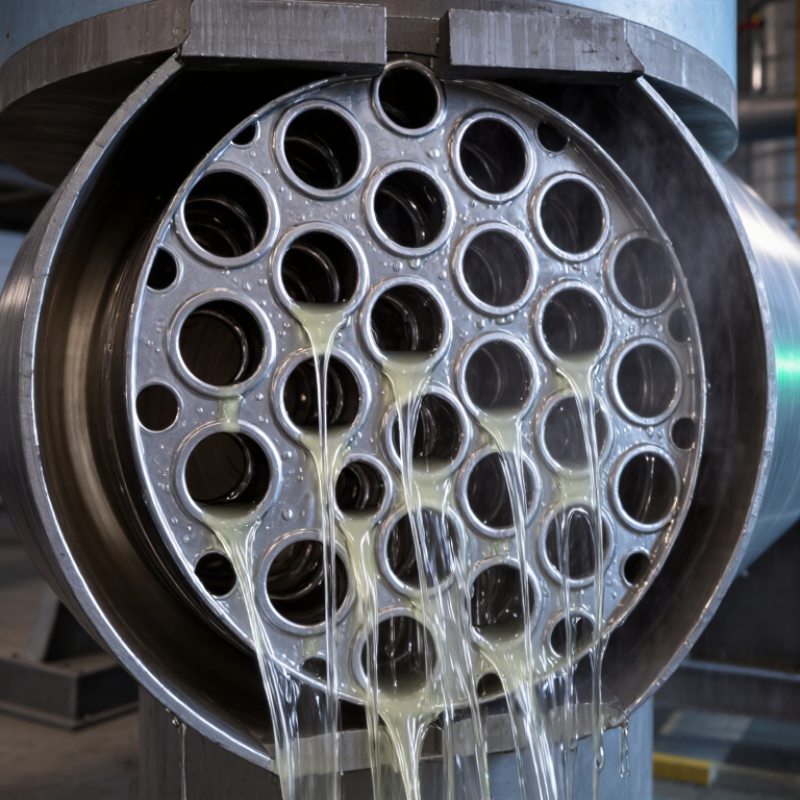
What Are Pall Rings Used For?

What Pall Rings Are and How They Are Designed

Pall rings are loose-fill packing elements placed inside absorption, stripping, and distillation columns. Their cylindrical walls contain open windows and inward-bent tabs. These features expose more surface to flowing liquid than a plain ring does. Gas rises through the openings while liquid spreads across the ring surfaces and drains downward. Small openings matter.

Perry’s Chemical Engineers’ Handbook, 9th edition, lists typical random-packing surface areas in the approximate range of 100–250 m²/m³, with void fractions often around 90–95%, depending on ring size and material. These figures describe ranges, not guaranteed performance. In practice, engineers compare them with liquid load, gas velocity, fouling risk, and column diameter. That balance matters.

The open structure can support good gas–liquid contact while limiting resistance to flow, but poor liquid distribution can still leave dry patches or overloaded zones. Ring dimensions and tab geometry affect wetting, pressure drop, and capacity. Materials such as metal, ceramic, or plastic are selected for temperature, corrosion conditions, and mechanical demands. A design that looks efficient on a data sheet may perform differently after installation; that part deserves careful attention.

How Pall Rings Improve Gas–Liquid Contact

Pall rings are used in packed columns where gas and liquid need to meet repeatedly. Their open windows and internal ribs interrupt flowing liquid, helping it spread across the packing rather than stream down one narrow path. More wetted surface gives gas and liquid more opportunity to exchange heat or transfer a component. The effect matters in processes such as absorption and stripping. Small details count.

The GPSA Engineering Data Book, 14th edition, lists approximate specific areas of 206 m²/m³ for 25-mm metal Pall rings and 102 m²/m³ for 50-mm rings. These are reference values, not guaranteed performance: material, dimensions, liquid load, and installation all affect results. Smaller rings offer more area per volume, but can increase resistance to flow. A packed-column study by Billet and Schultes in Chemical Engineering Research and Design (1999) describes how mass-transfer and pressure-drop predictions depend on packing characteristics and operating conditions. In practice, liquid distribution matters too. A poorly fed bed may leave dry patches, even with ample packing area. Fouling changes the picture. A design table cannot fully capture that.

What Are Pall Rings Used For?

Common nominal Pall ring sizes used in packed gas–liquid contact equipment

How they improve contact: Pall rings are random tower packing. Their openings and inward-facing surfaces help liquid spread over the packing while gas flows through the open structure. This creates opportunities for gas–liquid contact; the chart shows common nominal sizes, not a performance comparison. Actual dimensions and packing performance vary by design.

Common Uses of Pall Rings in Separation Processes

Pall rings are random packing used inside columns where gas and liquid must meet efficiently. Their open, holed geometry creates many wetted surfaces while allowing vapor to pass through. In absorption, a liquid solvent captures selected gas components; in stripping, heat or another gas helps release dissolved substances. Engineers also use packed columns for distillation, where rising vapor contacts descending liquid and compounds separate by volatility. In a scrubber, liquid may wash soluble contaminants from an exhaust stream. The ring’s shape supports contact without creating the high resistance associated with less-open packing.

The U.S. Environmental Protection Agency’s Packed-Bed/Packed-Tower Scrubber fact sheet reports

typical pressure drops of 0.5–1.0 inches of water per foot of packing and collection efficiencies of 95–99% for some applications.

These figures describe packed-bed scrubbers generally, not a guarantee for Pall rings; performance depends on the gas, liquid, packing size, and operating rate. Practical checks matter. Poor liquid distribution can leave dry patches, while excessive flow may cause flooding and unstable pressure drop. Corrosion, fouling, and column diameter also influence material and packing selection. A small pilot test can expose problems that design calculations miss. That is worth remembering.

Industries That Use Pall Ring Packing

Pall ring packing is used where gases and liquids must contact repeatedly inside a tower. Its open, slotted shape provides wetted surface while allowing flow through the bed. Chemical plants use packed columns for absorption, stripping, and selected distillation duties. Refineries and gas-processing facilities use them in gas treating and liquid processing. The fit is not automatic. Fouling, uneven liquid distribution, and pressure-drop limits can favor another packing type.

The U.S. Energy Information Administration’s Petroleum Supply Annual reported operable refinery capacity of about 18.4 million barrels per calendar day on January 1, 2024. That figure signals the scale of refinery operations, not Pall ring use specifically. Wastewater facilities also use packed scrubbers to treat odorous gases near headworks and sludge-handling areas. The U.S. Environmental Protection Agency’s 2022 Clean Watersheds Needs Survey estimated $630.1 billion in wastewater and stormwater infrastructure needs over 20 years. Only a portion concerns treatment equipment. That distinction matters when applying broad industry figures to a specific packing choice.

How to Choose Pall Rings for an Application

Pall rings are used in absorption, stripping, and distillation columns, where gas and liquid need ample contact. Their openings allow liquid to spread across the packing while gas moves through it. Choosing the right ring means balancing mass-transfer performance against pressure drop, fouling risk, and operating cost.

Start with the gas and liquid flow rates, then check the column diameter, temperature, and chemical compatibility. Larger rings generally offer more open space for flow, but may provide less contact area. Smaller rings can improve contact, yet may increase pressure drop or clog more readily when the feed contains solids. No size fits every column. Fit matters.

The U.S. EPA’s Packed-Bed/Packed-Tower Scrubber fact sheet (EPA-452/F-03-015) gives a typical packed-bed pressure-drop range of 0.5–1.0 inches of water per foot of packing.

Treat this as a screening reference, not a guaranteed design value; actual results depend on loading and packing geometry.

Material choice matters too: compare corrosion resistance with the process fluid, not just the purchase price. One compromise is easy to miss. Before specifying a ring, verify hydraulic capacity and liquid distribution at expected turndown. Recheck the design if flow rates or feed composition vary widely.

FAQS

What are packing rings used for?

They fill absorption, stripping, and distillation columns. Gas rises through the openings while liquid flows downward.

How do the openings help gas and liquid contact?

Open windows and inward-bent tabs expose more surface than a plain ring. Small openings matter.

What surface area and void fraction are typical?

Approximate ranges are 100–250 m²/m³ for surface area and 90–95% for void fraction. Values depend on ring size and material.

How should ring size be selected?

Compare gas and liquid flow rates, column diameter, and fouling risk. Larger rings allow more open flow space; smaller rings may offer more contact area. Fit matters.

What pressure drop can a packed bed have?

A screening range is 0.5–1.0 inches of water per foot of packing. Actual pressure drop depends on loading and geometry.

Which material should be considered?

Compare metal, ceramic, or plastic against temperature, corrosion, and mechanical demands. Purchase price alone can mislead.

Can open rings still cause poor column performance?

Yes. Uneven liquid distribution can leave dry patches or overloaded zones, even with open packing.

What should be checked before specifying rings?

Verify hydraulic capacity and liquid distribution at expected turndown. Recheck if flow rates or feed composition vary widely. That balance matters.

Conclusion

Pall Rings are open-structured packing elements designed with windows and internal surfaces that help distribute liquid while allowing gas to flow through a packed column. Their shape supports repeated contact between gas and liquid, improving mass transfer without creating excessive resistance to flow. The effectiveness of Pall Rings Use depends on factors such as their size, material, and the operating conditions of the process.

In separation processes, Pall Rings can support absorption, stripping, and distillation by helping components move between gas and liquid phases. They are used across industries including chemical processing, environmental treatment, and refining. Choosing suitable rings involves considering the column dimensions, fluid properties, temperature, pressure, corrosion risks, and desired separation performance. A well-matched packing can provide a practical balance of contact efficiency, capacity, durability, and pressure drop.


Sienna

Sienna

Sienna is a skilled marketing professional with a deep expertise in our company’s core products and services. With a passion for innovation and detail, she plays a pivotal role in crafting insightful blog posts that not only highlight the unique features of our offerings but also provide valuable......